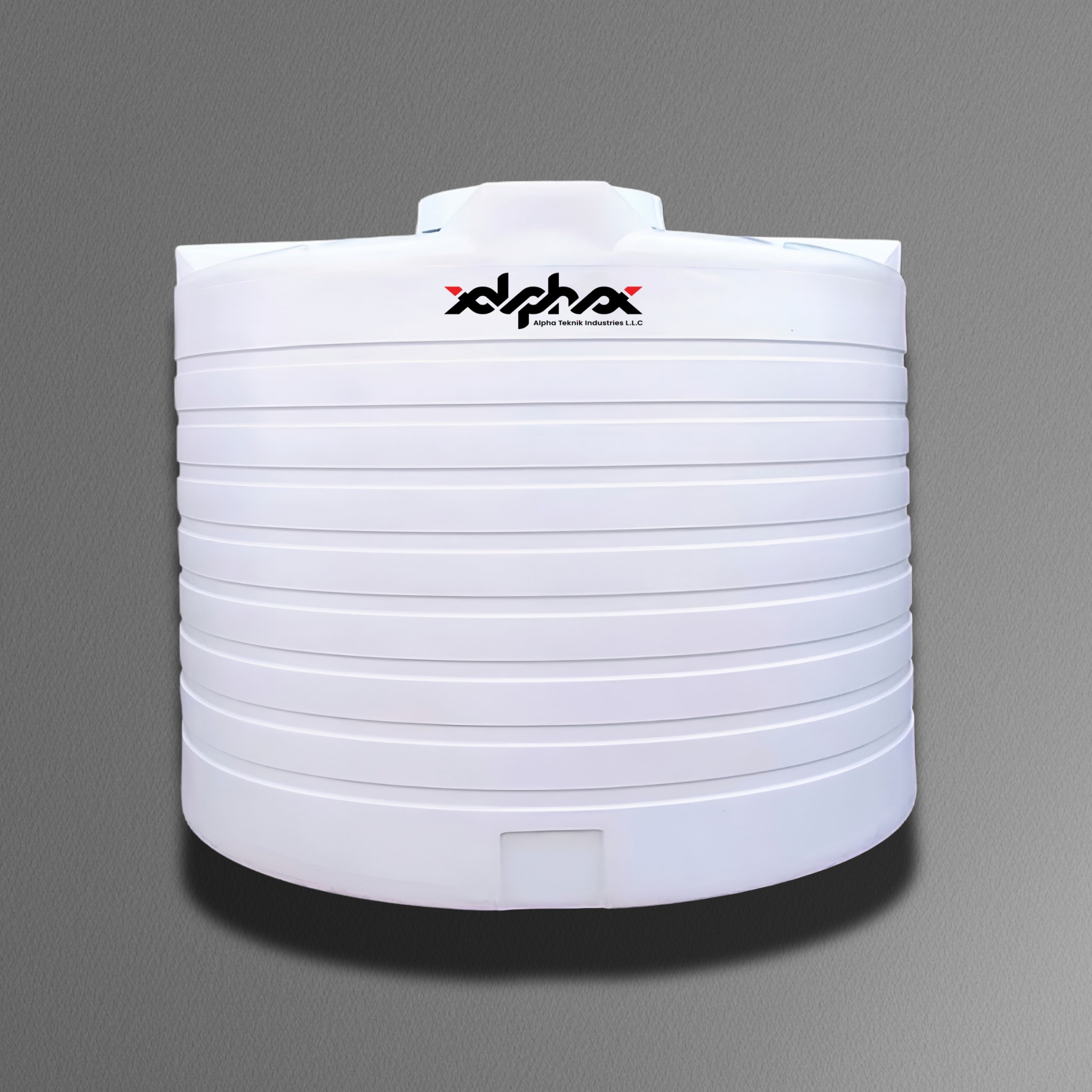
The moment most people decide they need a water tank, they look at the available sizes and pick something that seems reasonable based on price and the physical space available. This approach results in either a tank that runs out during long supply interruptions or a tank so oversized that water sits in it for weeks at a time without being fully replaced, creating stagnation problems that undermine the quality of the stored water. In the UAE, this is a real concern. Temperatures cross 45°C for months at a time, water comes from desalination plants, and supply pressure varies significantly across different areas. Without a properly sized and well-built water tank, any home, building, or business is at risk.
Getting the size right from the beginning saves money, prevents problems, and means you never have to replace a tank because it no longer fits your needs. The calculation is straightforward, but there are several factors specific to life in the UAE that change the answer significantly compared to what you might expect based on experience in other countries.
The standard baseline figure used by engineers and plumbers across the Gulf region is 200 liters per person per day for a household with moderate water use. This covers drinking, cooking, bathing, toilet flushing, and laundry. It does not cover garden irrigation, car washing, swimming pool maintenance, or the additional consumption that comes with guests or summer holidays when the whole family is home all day.
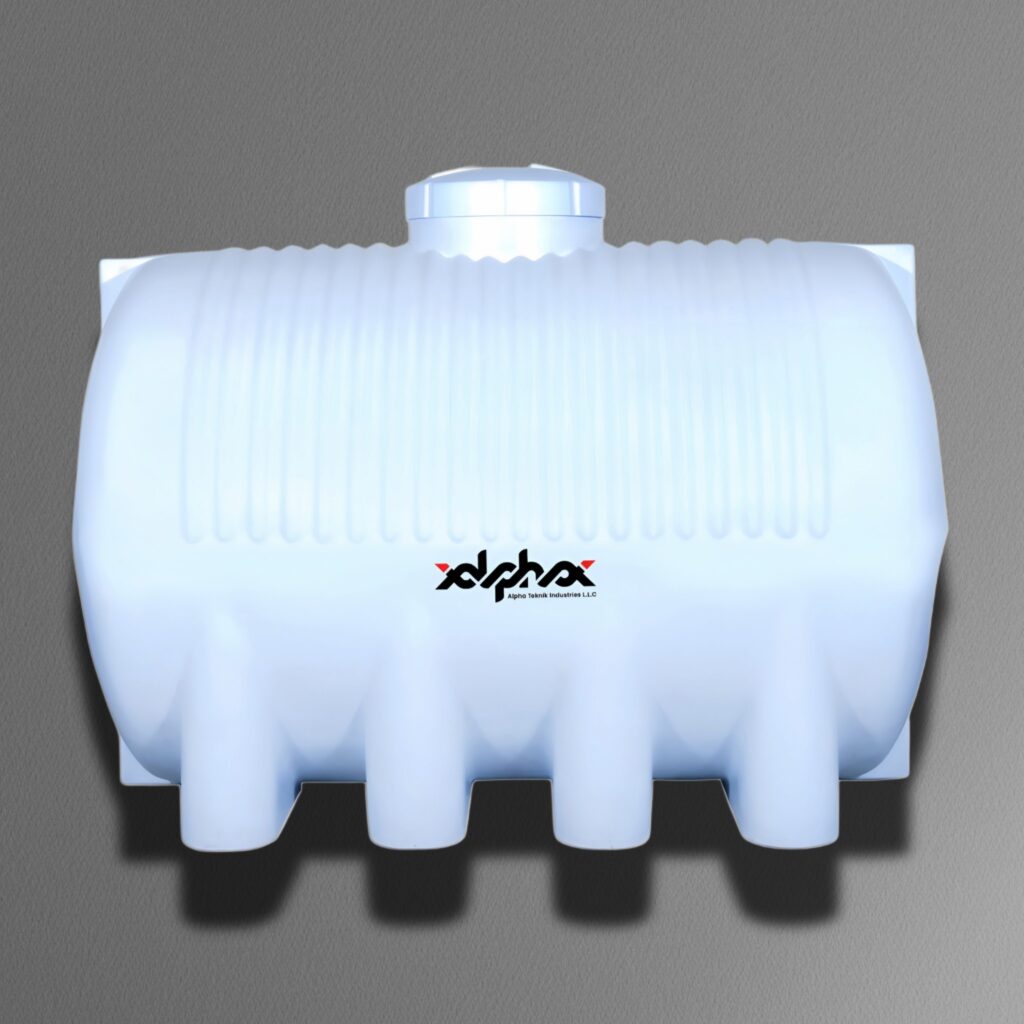
For a family of four living in a typical UAE villa without a garden, the daily water requirement is around 800 liters. For three days of storage as a comfortable reserve against supply interruptions, that means a minimum tank capacity of 2,400 liters. Rounding up to a standard available size, a 3,000-liter tank, equivalent to roughly 800 US gallons, covers this household adequately.
The garden changes everything. Irrigation in UAE conditions is an enormous consumer of water. A modest villa garden with 100 square meters of planted area can require 500 to 800 liters of water per day during summer just to stay alive. A larger garden with trees, grass, and flowering plants can easily consume 2,000 liters or more per day in July and August. If your irrigation system draws from the same tank as your household supply, your consumption calculation needs to include this figure.
Many experienced UAE homeowners install two separate tank systems: one for potable household supply and one dedicated to irrigation. This approach prevents a hot, dry summer from depleting the drinking water reserve during an irrigation cycle. The irrigation tank does not need to meet food-grade standards, which can reduce its cost slightly, though most manufacturers offer the same product for both applications. Alpha Teknik Industries LLC has been supplying water tanks across the UAE for years. We manufacture plastic polyethylene tanks, GRP fiberglass tanks, and IBC tanks for residential, commercial, and industrial customers in Dubai, Abu Dhabi, Sharjah, and all other emirates. This guide will help you understand each product, compare your options, and make the right purchase decision.
For villas with swimming pools, the calculation adds another variable. Pools in UAE lose water to evaporation at rates that vary significantly by season. In winter, evaporation from a pool surface is relatively modest. In summer, a 50,000-liter pool can lose 1,000 to 2,000 liters per week to evaporation alone, plus additional losses from splashing and backwashing the filter. Most pool owners in UAE top up from a dedicated water line rather than from storage tanks, but where this is done from a tank the volume adds up quickly.
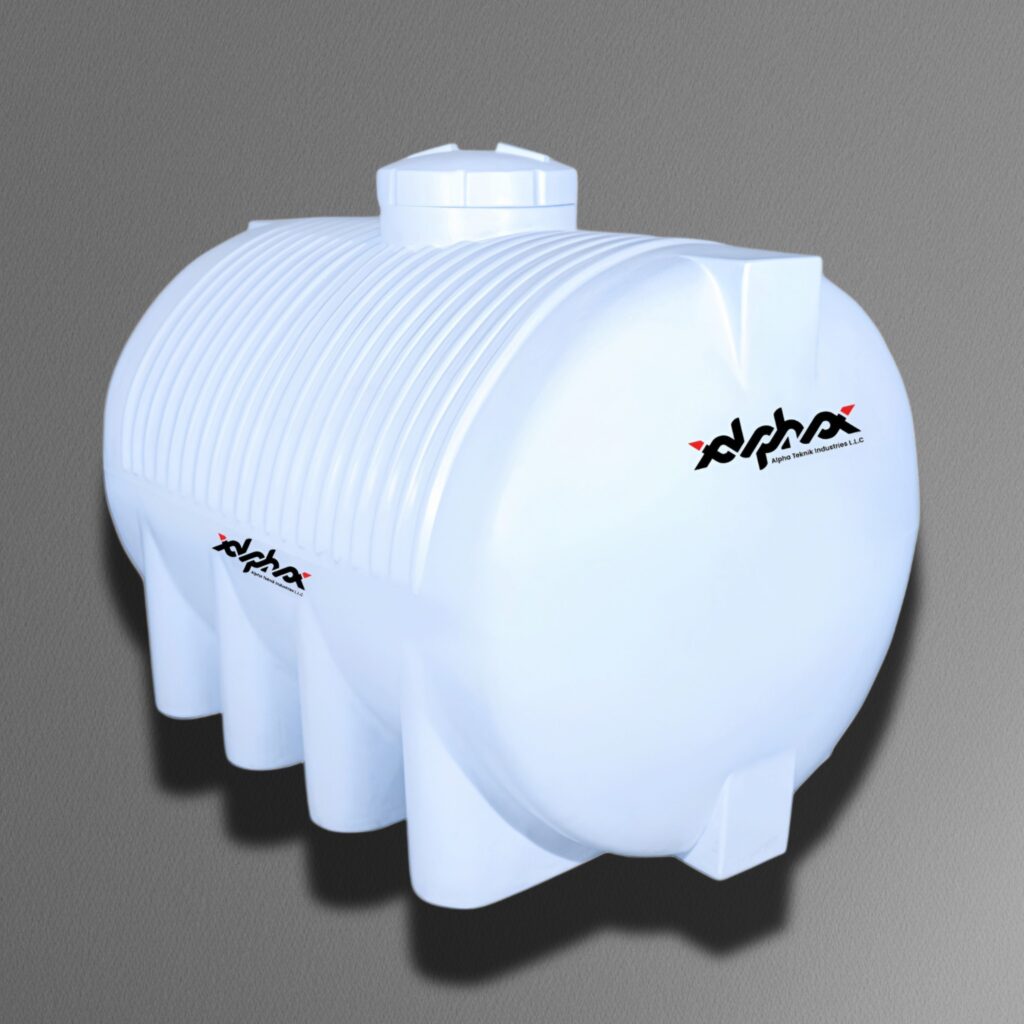
Apartment buildings present a different calculation challenge because the tank serves multiple households rather than one. The standard approach is to calculate per unit and then aggregate. A ten-unit building where each apartment houses an average of three people needs about 9,000 liters of daily supply at 300 liters per person. Three days of storage means a minimum central tank of 27,000 liters. Most consulting engineers for residential buildings specify 30,000 to 40,000 liters for a building of this size to account for variation in occupancy and peak demand events.
The physical configuration of the tank installation also influences the size decision. On a rooftop with limited space, the height-to-diameter ratio of the tank matters. Vertical tanks use less floor area for the same capacity. A 3,000-liter vertical tank might have a footprint of less than 2 square meters, while the same capacity in a horizontal configuration requires considerably more rooftop space. For tight rooftop installations, vertical tanks are almost always the right choice.
One thing that trips up many buyers is confusing US gallons with liters. Tank sizes in UAE are commonly listed in US gallons because the industry inherited this measurement convention from international manufacturing standards, but plumbing and consumption calculations are typically done in liters. One US gallon equals approximately 3.785 liters. A 500 US gallon tank holds about 1,900 liters. A 1,000 US gallon tank holds about 3,800 liters. Keeping this conversion in mind prevents the error of buying a tank that is roughly four times smaller than you thought.
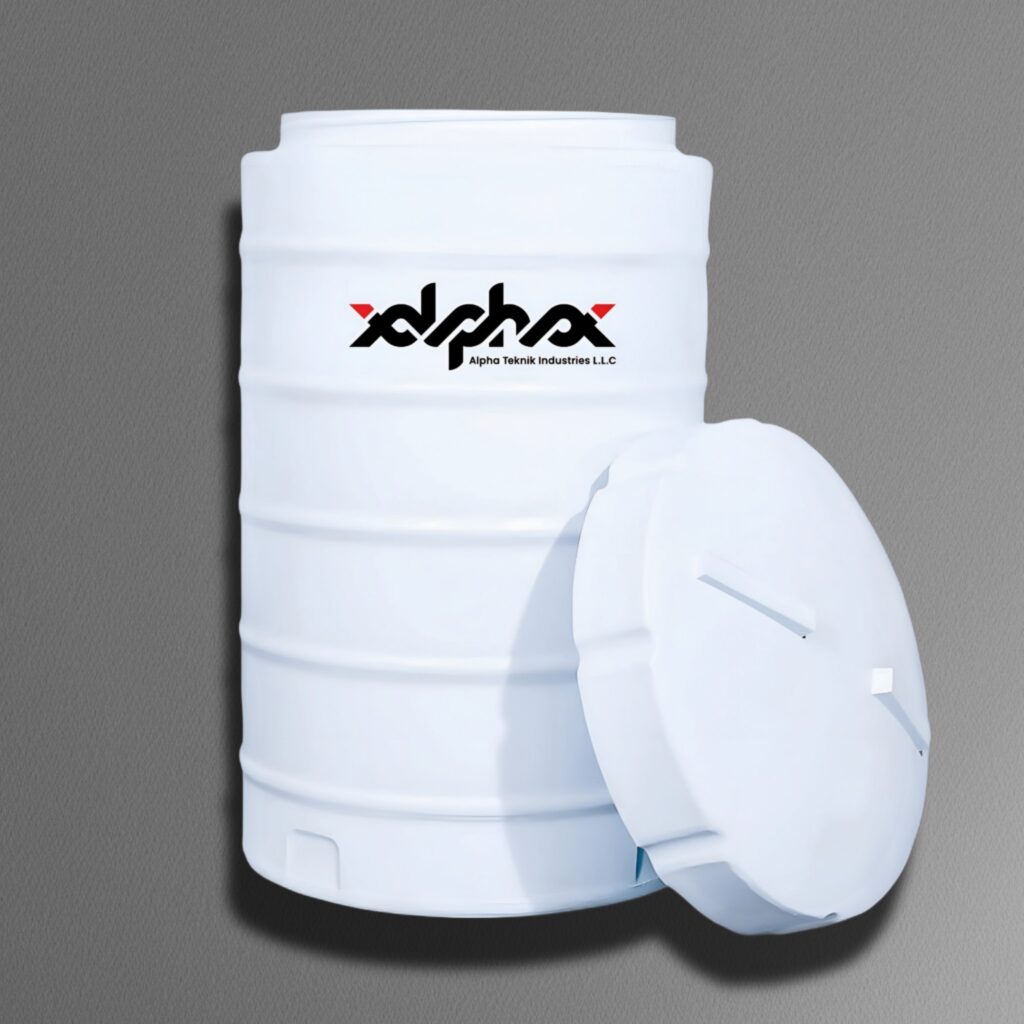
For commercial properties, the calculation becomes more sophisticated because usage patterns vary by business type. An office building uses water primarily during business hours with very little overnight. A restaurant uses water in intense bursts around service times. A hotel uses water relatively evenly throughout the day with modest peaks at morning and evening. Each of these profiles requires different storage sizing to ensure the tank empties and refills regularly, which is important for water freshness, while still providing adequate reserve.
The freshness factor is worth dwelling on. A tank that is sized much larger than actual daily demand will never fully empty and refill. This means water at the bottom of the tank can sit for weeks between cycles. In UAE temperatures, water that sits undisturbed for extended periods is more prone to bacterial growth and quality degradation than water that turns over completely every day or two. Slightly undersizing rather than massively oversizing, and accepting that the tank approaches empty before refilling, actually produces better water quality outcomes in practice.
The practical advice that flows from all of this is to do the calculation specifically for your situation rather than buying by instinct or convenience. Count your household members, estimate your garden and pool needs honestly, choose a three-day reserve as your minimum target, add 20 to 30 percent headroom for variation, and then match that total to the nearest available standard tank size.
Discuss the specific installation environment with the supplier before purchase so that the tank configuration, vertical or horizontal, rooftop or underground, suits the physical constraints of your property.
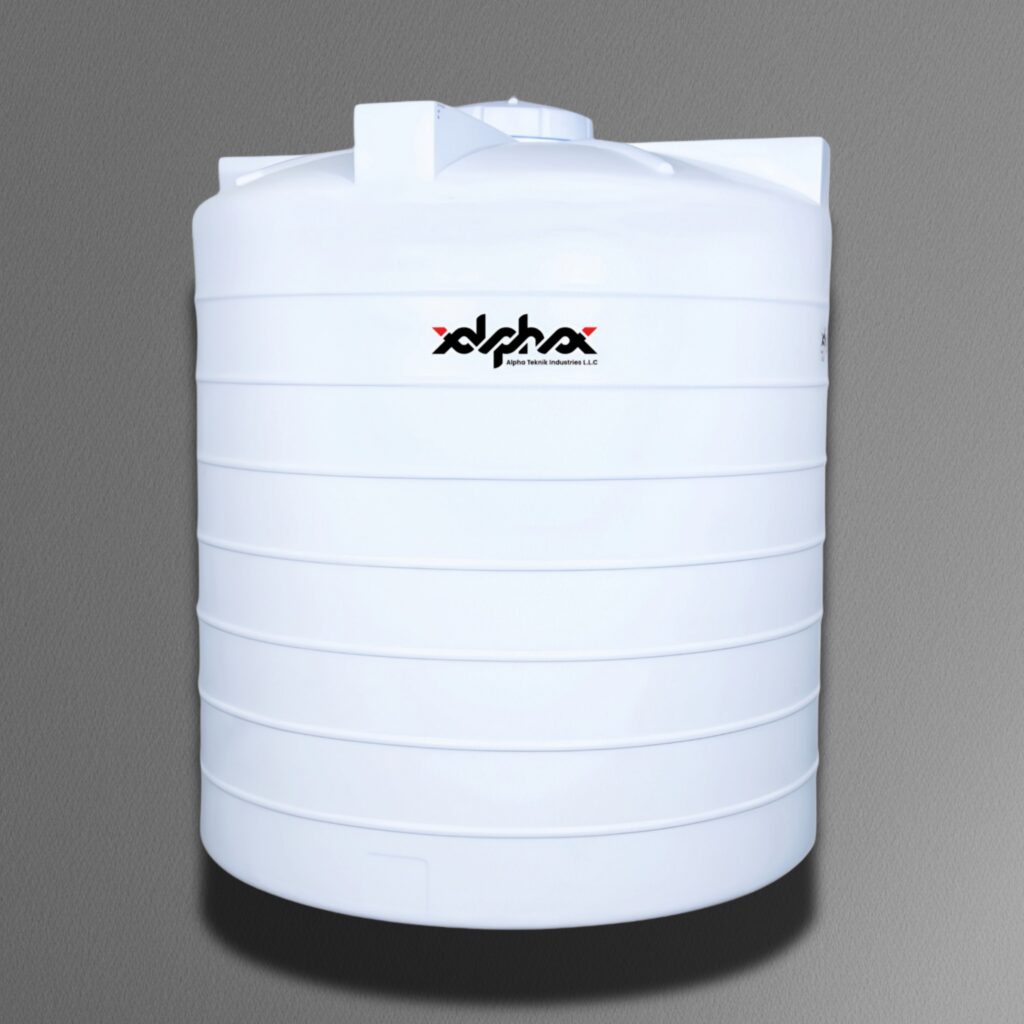
A conversation with a knowledgeable tank supplier takes fifteen minutes and can save you from buying a tank that does not serve you well for the next decade. Alpha Teknik’s team in Dubai can walk you through the sizing calculation for any residential or commercial property based on occupancy, usage pattern, and installation requirements.
Getting the size right is the single most important decision in the water storage purchase process. Everything else, material quality, installation approach, maintenance schedule, flows from starting with the right capacity.