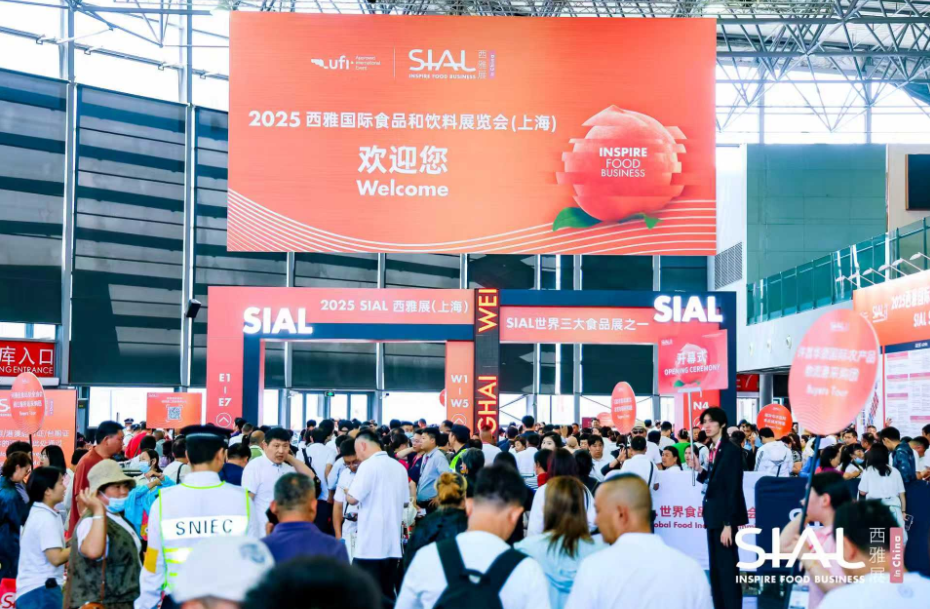
The food industry has become one of the most competitive global sectors, with businesses constantly searching for new markets, stronger partnerships, and innovative product ideas. In this rapidly changing environment, a food and beverage exhibition offers something that digital marketing alone cannot fully replace real business interaction. From global suppliers to regional distributors, companies continue investing heavily in trade exhibitions because these events create direct opportunities for expansion. They allow businesses to understand market behavior, explore industry trends, and connect with decision makers in ways that online communication often cannot achieve.
At the same time, the growing influence of every major china fair has made Asia an increasingly important destination for international food companies aiming to strengthen their global presence.
The Changing Purpose of Modern Trade Exhibitions
Years ago, trade exhibitions mainly focused on simple product displays. Companies would showcase items, distribute brochures, and collect business cards. Today, the purpose has expanded far beyond that traditional approach. A modern food and beverage exhibition now acts as a complete business experience. Companies are expected to educate visitors, create engagement, and demonstrate industry expertise while presenting their products.
This evolution reflects changing buyer expectations. Businesses no longer look only for low prices or bulk suppliers. They also want innovation, reliability, sustainability, and long-term collaboration potential. As a result, exhibitions have become environments where business relationships are built through conversation, trust, and direct interaction.
Why China Fair Platforms Attract Global Attention
International businesses increasingly view a china fair as a strategic opportunity rather than just another exhibition event. China’s role in manufacturing, exports, logistics, and food distribution has transformed these fairs into highly influential trade platforms. One reason behind their popularity is the access they provide to multiple markets simultaneously. Exhibitors can connect with Asian buyers while also meeting importers from Europe, the Middle East, and North America.
Another major advantage is scale. Many large china fair events include thousands of exhibitors across different sectors, allowing businesses to explore:
- Food products
- Beverage categories
- Packaging technologies
- Supply chain services
- Processing equipment
- Export solutions
This broad industry representation creates a productive environment where companies can discover opportunities across several business areas at once.
How Consumer Preferences Are Influencing Exhibitions
The global food market is increasingly shaped by consumer awareness. People now pay closer attention to ingredients, sustainability practices, product origins, and nutritional value.
Because of this shift, businesses attending a food and beverage exhibition are adjusting how they present themselves. Companies now focus heavily on transparency, health benefits, and environmentally responsible production methods.
Visitors are also showing stronger interest in categories such as:
Organic Foods
Natural and minimally processed products continue gaining international demand.
Functional Beverages
Drinks designed to support energy, hydration, or wellness are becoming more popular.
Eco-Friendly Packaging
Sustainable packaging solutions are now viewed as a major competitive advantage.
Plant-Based Alternatives
Consumers are increasingly exploring meat-free and dairy-free options. Trade exhibitions often become the first place where these emerging trends gain international visibility.
Face to Face Communication Still Matters
Despite the growth of virtual meetings and online platforms, personal interaction remains extremely important within the food industry. Buyers frequently prefer seeing products directly before entering business agreements. They want to evaluate packaging quality, discuss ingredients, and build confidence in the supplier relationship.
A food and beverage exhibition creates an environment where these conversations happen naturally. Exhibitors can answer questions immediately, offer product samples, and explain their brand identity more effectively. This personal engagement often accelerates decision-making and leads to stronger long-term partnerships.
How Smaller Brands Are Competing More Successfully
Global exhibitions are no longer controlled entirely by multinational corporations. Smaller businesses and independent food brands are now gaining significant attention at international events. Many buyers actively search for niche products that offer originality and authentic branding. This trend has created opportunities for startups to compete more effectively at a china fair or international exhibition.
A unique flavor concept, sustainable packaging design, or innovative product idea can attract serious business interest even without a massive marketing budget. For smaller companies, exhibitions can serve as a gateway into international distribution networks.
Technology Is Transforming Visitor Experiences
Technology is reshaping how trade events operate. Organizers are introducing digital solutions that improve efficiency, networking, and communication throughout the exhibition experience. Many modern exhibitions now include:
- Mobile networking applications
- AI-powered buyer matching systems
- Digital product catalogs
- Virtual booth experiences
- Online appointment scheduling
These features help businesses connect with relevant partners more quickly while improving organization for visitors. Hybrid event formats have also become increasingly common. Companies unable to attend physically can still participate online, making international exhibitions more accessible than ever before.
Competitive Pressure of Exhibition Participation
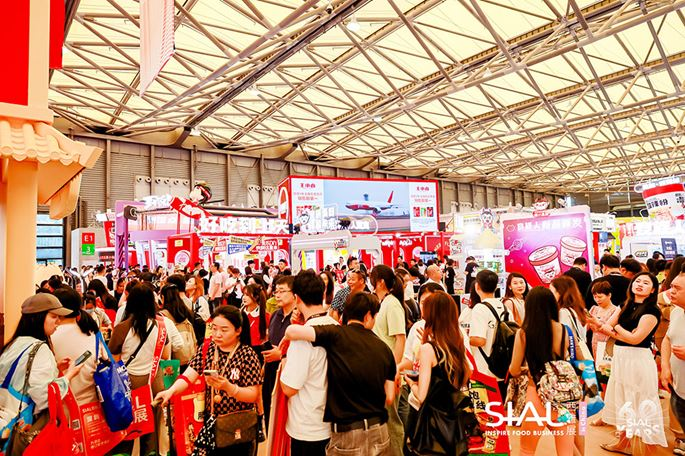
While exhibitions offer strong opportunities, they also create intense competition. Hundreds or even thousands of brands compete for visitor attention during a single event. Successful exhibitors usually invest heavily in preparation. They focus on booth design, branding consistency, visitor engagement, and staff training before the exhibition begins.
At a major china fair, standing out often requires more than simply displaying products. Businesses that create memorable experiences and communicate their value clearly are more likely to attract serious buyers. Preparation and presentation quality often determine whether participation generates meaningful business results.
Long-Term Value Beyond Immediate Sales
One of the biggest misconceptions about trade fairs is that success depends only on immediate deals. In reality, the long-term benefits are often even more valuable. A food and beverage exhibition helps businesses strengthen industry visibility, understand market direction, and build relationships that may develop into future opportunities.
Exhibitors also gain insight into competitor strategies, emerging trends, and buyer expectations. This knowledge helps companies improve decision-making long after the event ends. For many businesses, exhibitions become part of a long-term strategy focused on sustainable growth rather than quick transactions.
Final Thoughts
International exhibitions continue playing a powerful role in shaping the future of the food industry. A food and beverage exhibition gives businesses direct access to global buyers, industry trends, and valuable networking opportunities that are difficult to replicate through digital channels alone.
Meanwhile, the growing importance of every major china fair highlights Asia’s increasing influence within international trade. Businesses that participate actively in these events are often better positioned to expand globally, strengthen partnerships, and adapt to evolving consumer demands in an increasingly competitive marketplace.
FAQs
What is a food and beverage exhibition?
It is an industry event where food and beverage companies showcase products, connect with buyers, and explore international business opportunities.
Why is a china fair important in the food industry?
A china fair provides access to large international markets and connects businesses with buyers, suppliers, and distributors from multiple regions.
Are trade exhibitions useful for startups?
Yes, startups can gain visibility, attract partnerships, and introduce innovative products to global audiences.
What trends are currently popular at food exhibitions?
Organic foods, sustainable packaging, plant-based products, and functional beverages are among the leading trends.
Do digital technologies affect modern exhibitions?
Yes, technology now supports networking, virtual participation, scheduling, and product discovery during exhibitions.