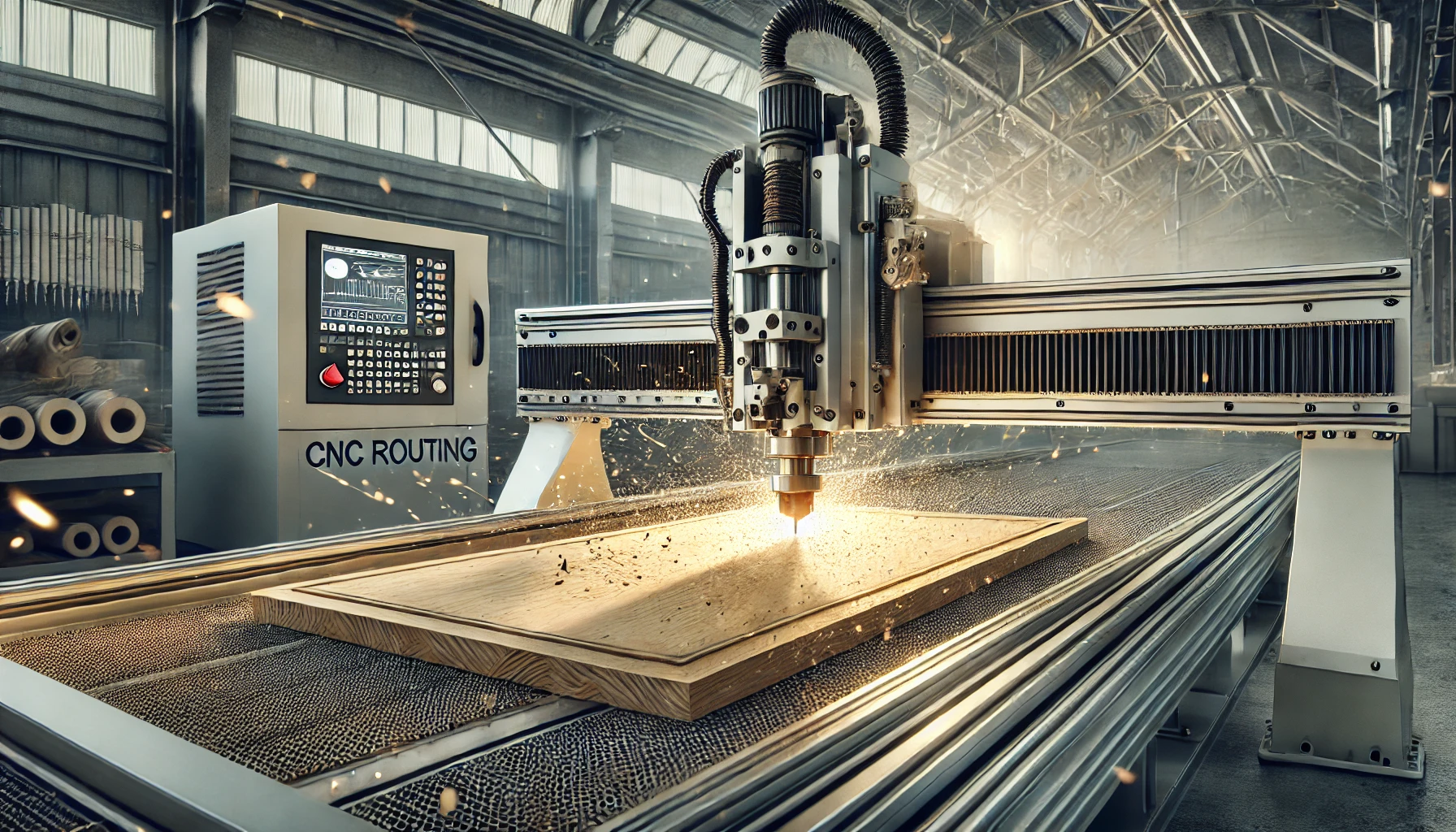
CNC routing is a manufacturing process that uses computer-controlled machines to cut, shape, and carve materials with incredible precision. The term CNC stands for Computer Numerical Control, which means the machine follows a digital design to execute complex tasks that would be nearly impossible to achieve by hand. While it’s used across various industries, it’s particularly effective when working with plastic sheets, where accuracy and clean finishes are essential for a professional result.
In the world of fabrication, a CNC router operates on three axes; X, Y, and Z, allowing it to move across a flat surface while also controlling the depth of the cut. This technology has transformed how we approach bespoke projects, moving away from manual saws and drills toward a more automated, reliable system.
Whether you’re a professional builder or a dedicated DIY enthusiast, understanding this process can help you decide if it’s the right choice for your next job. Continue reading to understand how this technology works and why it’s so vital for modern plastic fabrication.
How CNC Routing Works
The process begins with a digital file, usually created using CAD, or Computer-Aided Design, software. This file acts as a blueprint, telling the machine exactly where to move, how fast to spin the cutting tool, and how deep to cut into the material. Because the entire operation is software-driven, it eliminates human error, ensuring that every piece produced is identical to the first. It’s a highly efficient way to handle everything from one-off prototypes to large-scale production runs.
When the machine is ready, a sheet of material is secured to the router bed. The cutting head, which holds a rotating bit, moves across the sheet to carve out the desired shape. Unlike manual methods, professional services, like Simply Plastics CNC routing, ensures that even the most intricate patterns are executed with smooth edges and perfect dimensions. This level of consistency is why so many industries rely on this service for high-quality plastic components.
When Should You Choose CNC Routing?
You might wonder when it’s necessary to move beyond standard cut-to-size services. CNC routing is usually the best choice when your project involves:
- Complex Geometric Shapes: If your design isn’t a simple square or rectangle, such as stars, circles, or bespoke logos.
- Precision Parts: When you need holes drilled at exact intervals or specific slots for assembly.
- Engraving: For adding text, patterns, or decorative flourishes to the surface of the plastic.
- Volume Production: When you need a large number of identical items produced quickly and accurately.
Applications in UK Industries
This technology isn’t just for industrial warehouses. It’s used in various sectors across the UK. In the retail world, it’s used to create eye-catching signage and durable point-of-sale displays. Architects often use it for building models or decorative wall panels, while engineers might require precise plastic components for machinery or prototypes. Even at home, it’s perfect for creating bespoke splashbacks or custom shelving units that fit perfectly into a specific space.
The versatility of the process means it’s just as useful for a small DIY project as it is for a major construction job. Because it works so well with materials like Dibond and Hygienic PVC, it’s a go-to solution for high-specification environments like hospitals or commercial kitchens where precision and hygiene are paramount.
Final Notes
Choosing the right fabrication method is a vital step in ensuring your project’s success. CNC routing offers a blend of speed, accuracy, and versatility that’s hard to beat, especially when working with high-quality plastics. It’s a process that turns complex digital visions into tangible, high-quality products with minimal effort from the user.
By opting for professional routing services, you can ensure that your materials are handled with care and that the final result meets your exact specifications.