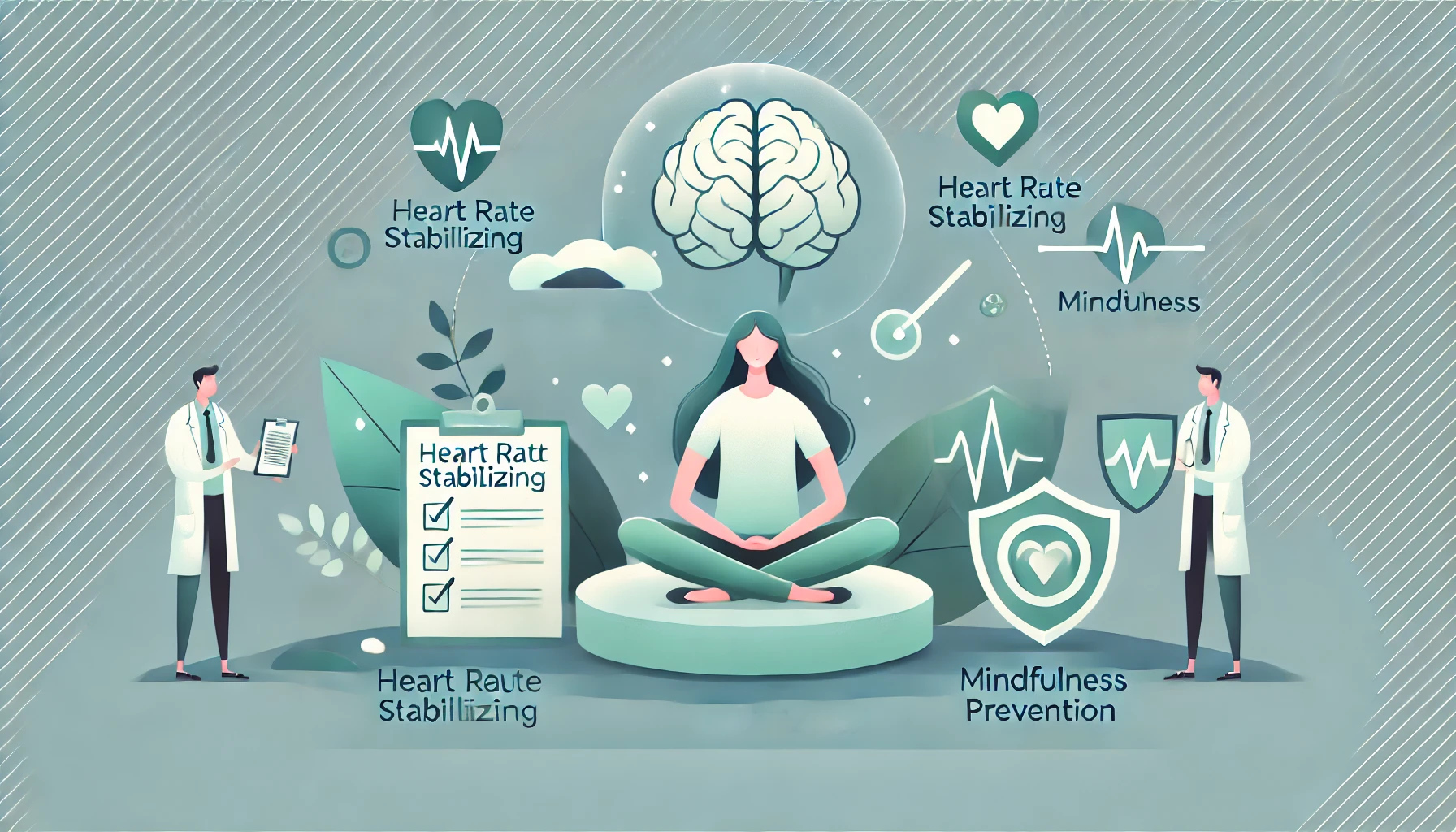
You might constantly search symptoms online or replay bodily sensations until they feel impossible to ignore. Treatment for health anxiety targets those urges with proven tools—therapy, targeted medication when needed, and practical self-help strategies—so you can regain calm and make clear-headed decisions about your health.
You can learn skills that reduce worry, stop compulsive checking, and let you live with uncertainty without constant scanning for illness. This post will explain the most effective approaches and how to build long-term coping habits so you can respond differently the next time anxiety shows up.
Effective Treatments for Health Anxiety
You can reduce health-related fears by learning specific skills, using appropriate medications when needed, and changing daily habits that fuel worry. Each approach targets different parts of the problem so you can choose one or combine several based on your needs.
Cognitive Behavioral Therapy Strategies
CBT helps you identify and change unhelpful thoughts and behaviors that maintain health anxiety. You will learn to spot catastrophic interpretations (e.g., “this headache = brain tumor”) and replace them with more accurate appraisals based on probability and evidence.
Therapists teach behavioral experiments and graded exposure. You practice facing feared situations—like checking less or visiting a physician only when guidelines suggest—while testing whether feared outcomes occur.
You also use worry scheduling and cognitive restructuring to limit rumination and break cycles of reassurance-seeking. Homework assignments reinforce skills between sessions so progress transfers to daily life.
Many CBT programs run 8–16 weekly sessions; some use digital or guided self-help formats that keep costs down while preserving structure and measurable goals.
Medication Options and Considerations
Medications can reduce acute anxiety and make therapy more effective, but they do not cure health anxiety alone. First-line choices often include SSRIs such as sertraline or escitalopram; these reduce baseline worry over weeks.
Short-term benzodiazepines may relieve severe panic but carry risks of dependence and cognitive side effects, so clinicians reserve them for brief periods. SNRIs or other antidepressants are alternatives when SSRIs are ineffective or poorly tolerated.
You should discuss side effects, expected time to benefit, and a plan for tapering with your prescriber. Medication is most helpful when combined with CBT and regular monitoring for symptom change and adverse effects.
Self-Help Techniques and Lifestyle Adjustments
You can lower daily anxiety by changing habits that amplify concern and by building resilience. Practice structured worry time: limit health worries to a 15–30 minute slot, then postpone intrusive thoughts outside that window.
Reduce checking behaviors—track frequency for a week, set a reduction goal, and celebrate small wins. Keep medical records and follow evidence-based guidelines for appointments to avoid excessive doctor visits.
Adopt sleep hygiene, regular aerobic exercise, moderate caffeine, and mindfulness practices; these improve mood and decrease physical arousal that mimics illness. Use trusted sources for health information and set rules for how much time you spend researching symptoms online.
Developing Long-Term Coping Skills
You will learn practical, sustainable techniques to reduce health-related worry, build reliable supports, manage stress in the moment, and spot signs that worry is returning. Each approach emphasizes specific behaviors you can practice and measure.
Building Support Systems
Identify at least two trusted people you can contact when anxiety spikes—this might be a friend, family member, or a therapist. Tell them how you want them to respond (for example: “Listen for 10 minutes, then help me refocus on a grounding exercise”) so interactions remain helpful rather than reinforcing reassurance-seeking.
Join one structured group: a therapist-led CBT group, an anxiety support group, or an online forum moderated by clinicians. Structured groups teach coping skills and expose you to others’ recovery stories, which reduces isolation without feeding health-checking behaviors.
Create a communication plan with your primary care provider. Agree on when to make appointments, which symptoms warrant testing, and what self-monitoring is appropriate. This reduces needless medical visits and gives you a clear, pre-approved pathway when symptoms occur.
Mindfulness and Stress Management
Start with brief, daily practices you can measure: 5 minutes of focused breathing twice a day, a 10-minute body scan before bed, or a short guided mindfulness exercise when worry begins. Use a timer and track adherence for two weeks to build habit.
Practice specific grounding techniques for acute spikes: 5-4-3-2-1 sensory check, bilateral tapping, or paced breathing at a 4-6 second cadence. Combine one grounding technique with one cognitive skill—label the thought (“health worry”), then perform the grounding step—to interrupt the anxiety loop.
Incorporate predictable lifestyle habits that lower baseline anxiety: 7–9 hours of sleep on a regular schedule, 150 minutes of moderate exercise per week, and limiting caffeine to no more than one cup before noon. Monitor these factors in a simple weekly log to see direct effects on your worry levels.
Preventing Relapse
Create an early-warning checklist of your personal relapse signs: increased checking, sleep loss, avoidance of activities, or frequent doctor calls. Rate each sign 0–3 weekly so small increases trigger a pre-agreed plan rather than panic-driven action.
Design a stepped response plan. Level 1: use grounding and a support call. Level 2: resume daily mindfulness and increase exercise for one week. Level 3: contact your therapist for a booster session or review medication with your prescriber. Put contacts and steps in a single page you can access quickly.
Schedule periodic maintenance: a monthly self-check form, quarterly therapist check-ins for 3–6 months, and an annual review of coping goals. This structured follow-up catches gradual slips early and keeps you practicing skills that reduce the chance of full relapse.