In the past, people used paper files and heavy folders. Today, we use modern software to create, manage, and share documents. These tools help us work faster, save money, and stay organized.
As the digital world keeps growing, it is important to know about new tools and updates. Learning about them can help you stay ahead.
Here are software tools that are changing digital documentation. Let’s explore how these innovations can improve your workflow and make document management simple.
1. Automation for Efficiency
One of the biggest changes in digital documents is automation. In the past, people had to do many document tasks by hand. This often took a lot of time and caused mistakes. Now, automation tools are changing the way we work.
Many of these tools use AI and machine learning to help complete tasks faster. For example, some software can automatically create reports, contracts, or invoices. It gathers information from different systems and puts it into one document.
There are also tools that help manage team workflows. These systems assign tasks, track progress, and remind people about deadlines. This helps teams work together better and stay organized.
2. Real-Time Collaboration
People no longer need to email documents back and forth to make changes. Now, teams can work on the same document at the same time, even if they are in different places. Real-time tools let everyone see and edit the file together.
Platforms like Google Workspace and Microsoft 365 make this possible. Team members can see updates as they happen and give quick feedback. This makes work faster and helps teams stay connected.
3. Intelligent Data Management
Another important part of modern document work is smart data management. When organizations create many documents, it can be hard to find useful information in them. Smart data systems help people understand their data better.
For example, data tools can pull out key details from documents. This helps businesses spot trends, make better decisions, and work more efficiently. Some tools use artificial intelligence to sort and label documents automatically.
This makes it easier and faster to find what you need. These systems also help with rules and safety. They make sure sensitive information is stored properly and only the right people can access it.
4. Enhanced Accessibility
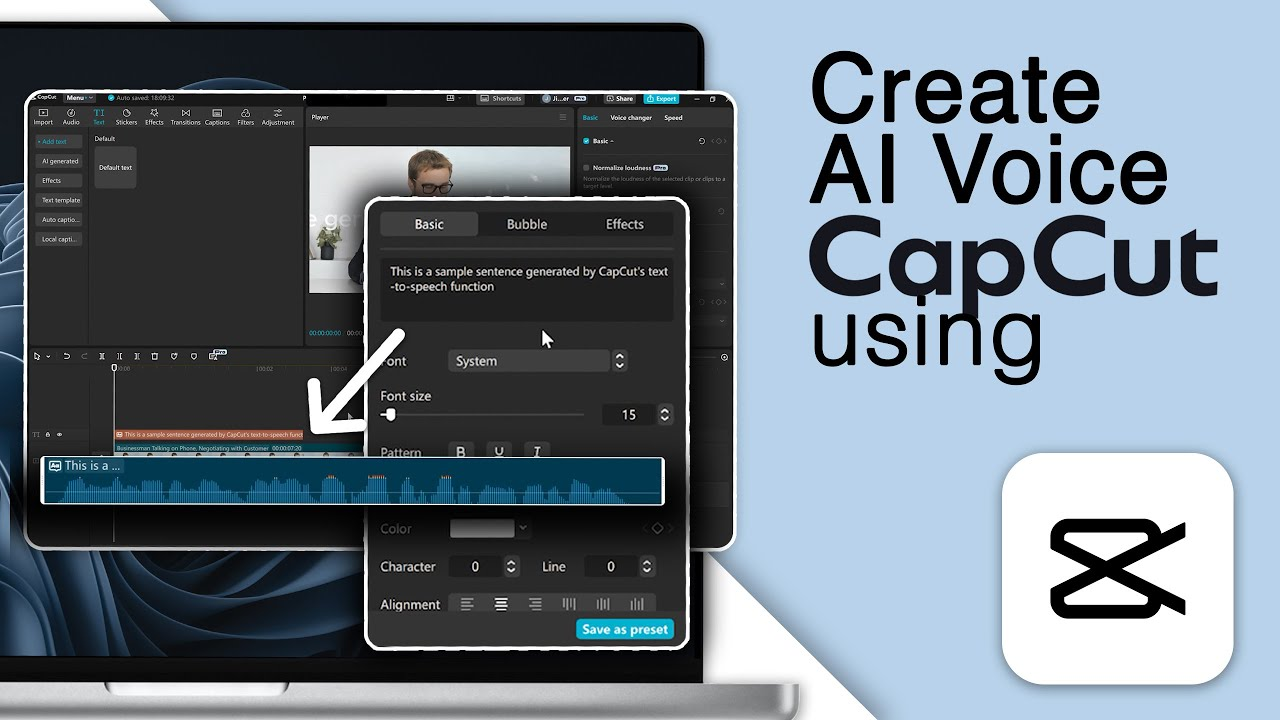
Accessibility has become essential in today’s diverse work environments. Software innovations are helping ensure that digital documents are accessible to a broader audience. Tools designed for inclusivity provide features such as text-to-speech, translation options, and customizable interfaces that cater to users with varying needs.
For instance, many PDF management tools now incorporate the ability to render documents in multiple formats while maintaining usability. The integration of pdfium for fast pdf rendering is a notable innovation that enhances how users access and interact with PDF files. This not only makes documents more user-friendly but also helps organizations meet legal accessibility standards.
Embracing the Future of Digital Documentation
As companies adjust to changes in the digital world, using new software tools is very important. These tools help improve how documents are created and managed. Automation saves time.
Real-time collaboration helps teams work better together. Smart data tools help people make better decisions.
By using these technologies, organizations can make their work faster and more organized. Start looking at how these tools can improve your document process today.
Looking for more tips and advice? You’re in the right place! Make sure to bookmark our page and come back to check out more interesting articles.