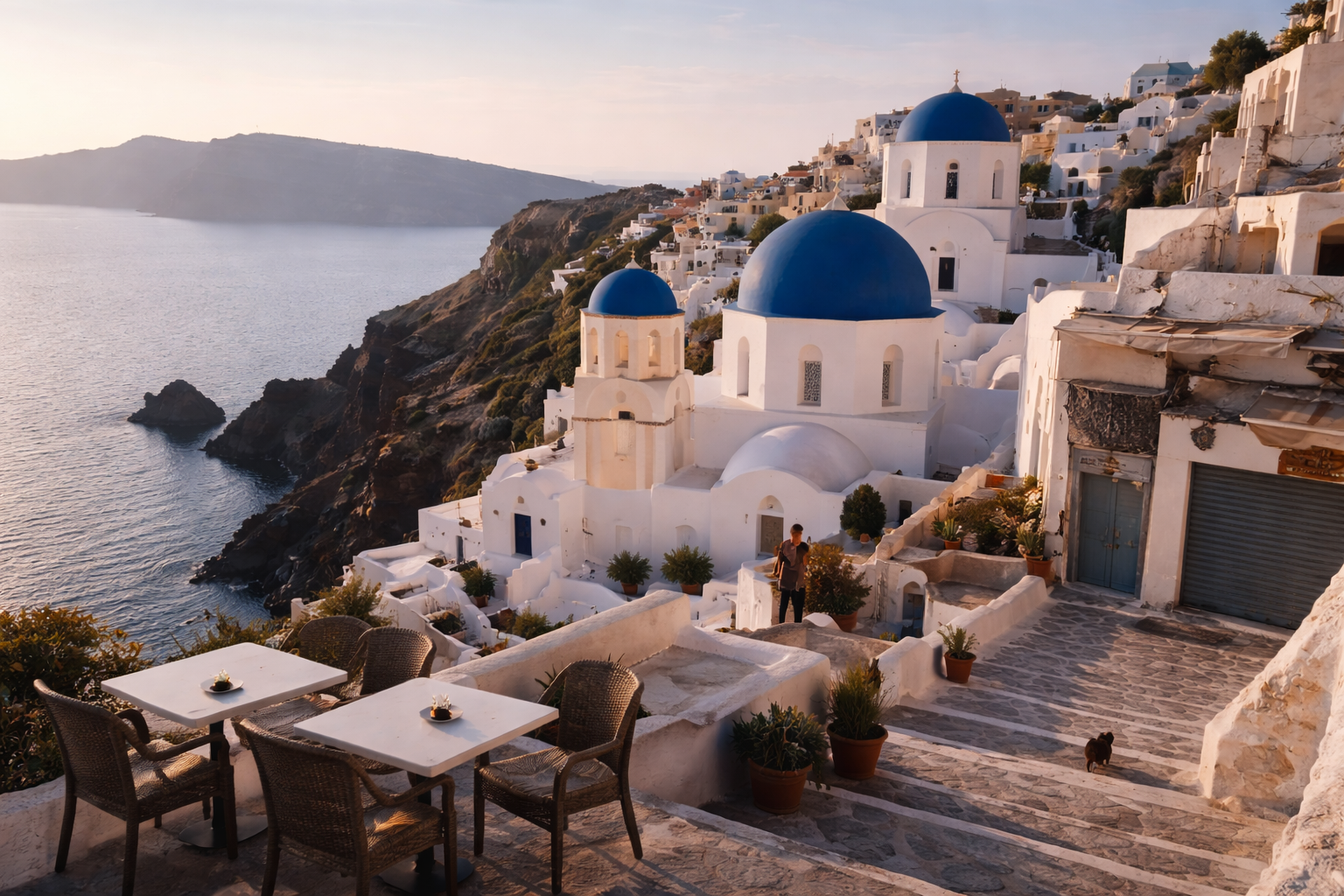
Santorini has long been one of the most recognizable travel destinations in the world. With its whitewashed houses, blue-domed churches, volcanic cliffs, and breathtaking sunsets, the Greek island has attracted millions of visitors each year. Tourism has traditionally been the backbone of the local economy, supporting hotels, restaurants, cruise operators, and small businesses.
However, in recent years the island has faced an unexpected challenge: a noticeable Santorini tourism decline. Changes in travel patterns, natural events, environmental concerns, and economic factors have all contributed to fluctuating visitor numbers. Understanding the reasons behind this shift provides valuable insight into the future of tourism not only for Santorini but also for other global destinations dealing with similar pressures.
Santorini’s Rise as a Global Tourism Icon
Santorini is part of the Cyclades island group in the Aegean Sea and is one of Greece’s most famous travel destinations. The island’s unique geography—formed by a massive volcanic eruption thousands of years ago—creates dramatic cliffs and a caldera that overlooks the sea. These features have helped make Santorini one of the most photographed places in Europe.
Over the past two decades, international tourism to the island increased rapidly. At its peak, Santorini welcomed millions of visitors annually, with tourism becoming the dominant sector of the local economy. In some years, more than 3 million tourists visited the island, far exceeding the population of around 20,000 residents.
While this tourism boom brought economic prosperity, it also created infrastructure strain, environmental pressure, and growing debates about sustainability.
Evidence of the Santorini Tourism Decline
Although Santorini remains extremely popular, recent data suggests that tourism growth has slowed and, in some periods, declined. Several reports show that visitor numbers have dropped compared to previous peak years.
For example, one report indicated that air arrivals fell significantly, with a 19% drop in traffic in early 2025, followed by continued decreases later in the year. Another report found that the island experienced an 11.6% decline in air arrivals during one summer month, with fewer visitors arriving from key markets like the United Kingdom.
Tourism revenue has also been affected. In some cases, accommodation and dining businesses reported revenue losses exceeding 20%, highlighting the economic consequences of declining tourist numbers.
Earthquake Activity and Safety Concerns
One of the most immediate triggers of the Santorini tourism decline has been natural seismic activity. In early 2025, the island experienced a series of earthquakes that raised safety concerns among travelers.
Although most of the tremors caused little damage, the continuous seismic activity made international visitors hesitant to book trips. Travel reports indicated that earthquake fears discouraged many tourists from choosing Santorini for their summer holidays, leading to lower visitor numbers.
Even when the situation stabilized and cruise ships began returning, the uncertainty surrounding seismic activity continued to influence travel decisions.
Overtourism and Infrastructure Pressure
Ironically, one of the biggest causes of the Santorini tourism decline is the island’s previous success. Years of heavy tourism have created what experts call overtourism, where visitor numbers exceed the capacity of local infrastructure and natural resources.
Santorini’s narrow streets, limited public transportation, and small land area make it particularly vulnerable to overcrowding. During peak season, thousands of cruise ship passengers arrive daily, often overwhelming popular locations such as Oia and Fira.
Researchers and local authorities have warned that excessive tourism can damage the island’s cultural identity, natural environment, and long-term sustainability.
Rising Travel Costs and Changing Tourist Preferences
Another factor contributing to the Santorini tourism decline is the rising cost of visiting the island. Over time, Santorini has become known as a luxury destination with high prices for accommodation, dining, and transportation.
Higher operating costs for hotels and restaurants—including energy expenses and labor regulations—have made it difficult for businesses to reduce prices. As a result, budget-conscious travelers are increasingly choosing alternative destinations.
Travel trends are also shifting toward less crowded and more affordable destinations. Many tourists are now exploring smaller Greek islands or lesser-known Mediterranean locations that offer similar scenery without the high prices or large crowds.
Environmental Challenges and Sustainability Concerns
Santorini’s environment has also been affected by the pressures of mass tourism. The island faces challenges related to water supply, energy use, waste management, and land development.
Because Santorini has limited natural water resources, the increase in tourism has created significant demand for water and electricity, particularly during the summer months.
Environmental experts have also expressed concerns about construction projects, pollution, and the loss of traditional agricultural land as tourism infrastructure expands. These issues have sparked debates about how to balance tourism growth with environmental preservation.
Competition from Other Greek Islands
The Santorini tourism decline is also influenced by increasing competition from other Greek destinations. Islands such as Corfu, Zakynthos, and Kefalonia have experienced tourism growth while Santorini has faced slower demand.
Travel companies report that many tourists are seeking destinations that offer natural beauty without the overcrowding associated with Santorini. This trend has encouraged travelers to explore quieter islands that provide similar experiences at lower costs.
As a result, Greece’s tourism landscape is gradually diversifying, with visitors spreading across a wider range of islands.
Economic Impact on the Local Community
Tourism plays a crucial role in Santorini’s economy, meaning any decline in visitor numbers can have significant consequences for local businesses and workers.
Hotels, restaurants, tour operators, and transportation services depend heavily on tourist spending. When visitor numbers fall, businesses may be forced to reduce prices, cut staff, or delay investment in new facilities.
Reports indicate that some hotels have lowered prices by more than 20% to attract visitors during periods of uncertainty. Seasonal workers have also been affected, with fewer job opportunities available when tourism slows.
For an island that relies almost entirely on tourism, these changes can have ripple effects across the entire local economy.
Efforts to Address the Tourism Decline
In response to these challenges, Greek authorities and local leaders have begun exploring strategies to manage tourism more sustainably.
Some proposals focus on limiting the number of cruise ships that can visit the island each day, reducing overcrowding at major tourist sites. Other initiatives aim to promote off-season tourism, encouraging visitors to travel during spring and autumn rather than peak summer months.
Improving infrastructure, expanding water and energy resources, and protecting cultural heritage sites are also important priorities for maintaining Santorini’s long-term appeal.
The Future of Santorini Tourism
Despite the recent decline, Santorini remains one of the most recognizable travel destinations in the world. Millions of people still dream of visiting the island to experience its sunsets, volcanic landscapes, and unique architecture.
Experts believe that the key to the island’s future lies in balancing tourism with sustainability. Reducing overcrowding, protecting natural resources, and promoting responsible travel could help preserve Santorini’s beauty while maintaining its tourism economy.
If managed correctly, the current challenges may even lead to a healthier tourism model—one that prioritizes quality experiences over sheer visitor numbers.
Lessons for Global Tourism Destinations
The Santorini tourism decline offers valuable lessons for other destinations experiencing similar challenges. Popular tourist locations around the world—from Venice to Bali—face the same dilemma: how to welcome visitors without damaging the very attractions that draw them.
Santorini’s experience highlights the importance of careful planning, environmental protection, and community involvement in tourism management. By learning from these lessons, destinations can create more sustainable travel industries that benefit both visitors and local residents.
Conclusion
The Santorini tourism decline reflects a complex combination of factors, including natural events, overtourism, rising travel costs, environmental concerns, and shifting travel trends. While the island remains one of Greece’s most iconic destinations, recent changes in visitor numbers reveal the challenges of maintaining long-term tourism growth.
For Santorini, the path forward will likely involve adapting to new travel patterns and implementing more sustainable tourism practices. By protecting its natural beauty and cultural heritage, the island can continue to attract visitors while preserving the qualities that make it one of the world’s most extraordinary destinations.