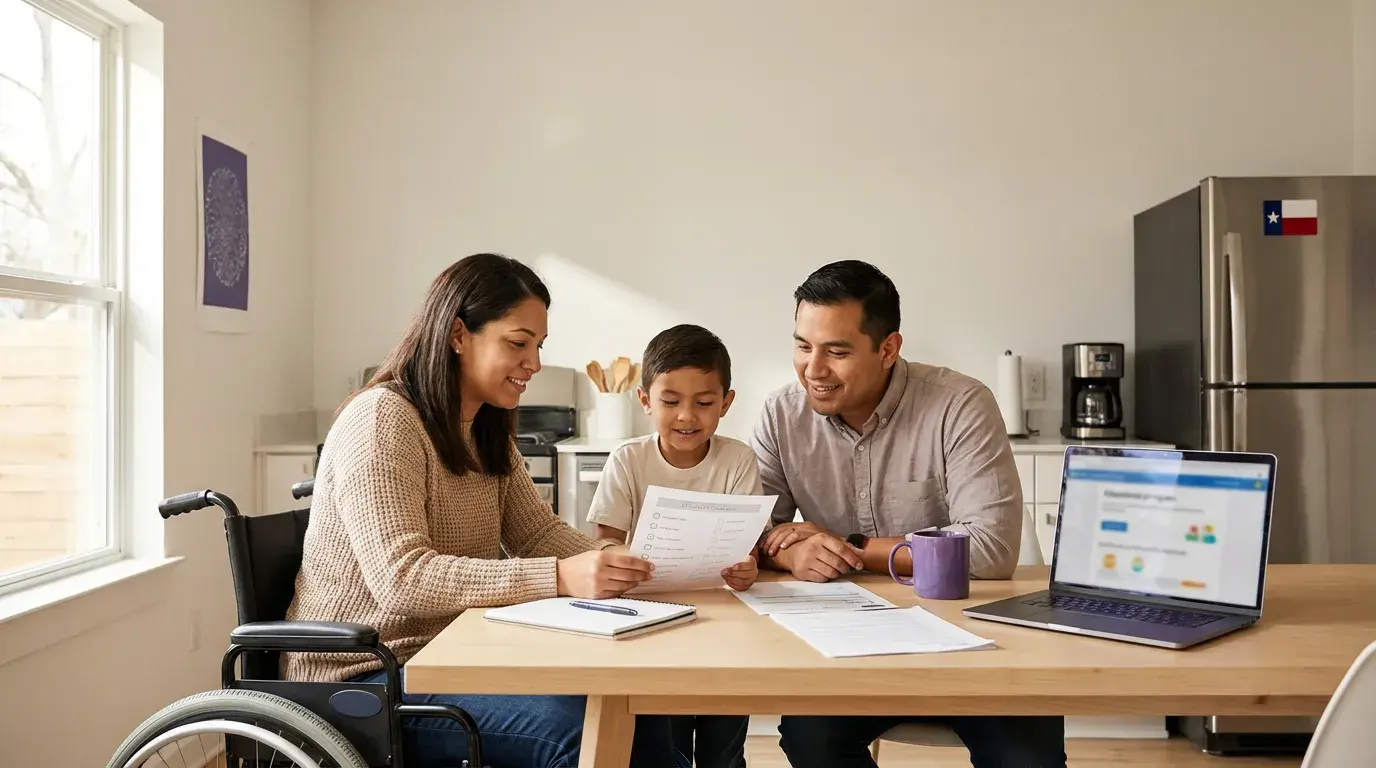
Deciding to homeschool your child is a big step, and for many families in Texas, the question that follows almost immediately is: Can we actually afford this?
The good news is that homeschooling in Texas does not have to be expensive. There are genuinely free programs and resources available, and knowing whether your family qualifies can make the entire journey feel far more manageable. Whether you are just starting out or looking to fill gaps in your current curriculum, exploring a Texas free homeschool resources guide is often the best first move because understanding what exists helps you determine what you are eligible for.
Let’s walk through the key eligibility criteria Texas families should understand when considering free homeschool programs.
1. Your Homeschool Must Meet Texas Legal Standards
In Texas, homeschools are legally recognized as private schools. That classification comes from the landmark court decision in Leeper v. Arlington Independent School District.
To qualify as a legal homeschool in Texas:
- Instruction must be bona fide, meaning it is a genuine educational program.
- The curriculum must be in a visual format such as books, workbooks, or digital materials.
- Required subjects must include reading, spelling, grammar, mathematics, and good citizenship.
You do not have to register with the state or notify your district if you are starting from scratch. However, if your child is currently enrolled in public school, you must formally withdraw them.
Many free programs require families to already be operating legally under Texas homeschool standards before participation. This is the foundation for everything else.
2. Income-Based Eligibility for Certain Programs
Not all free programs are income-based, but some are.
Programs funded by grants, nonprofits, or community initiatives may prioritize families who qualify under federal income guidelines. Families eligible for free or reduced-price lunch may also qualify for:
- Free digital curriculum programs
- Sponsored access to online learning platforms
- Priority spots in low-cost community co-ops
Income thresholds vary by organization. Some programs are open to every homeschooling family regardless of income, while others are specifically designed to serve low-to-moderate income households.
When in doubt, ask directly. Many families are surprised to learn they qualify.
3. Age Requirements
Free homeschool programs typically serve children ages 5 to 18, but availability differs by age group.
Early learners (5 to 7):
- Fewer structured free programs exist
- Public library systems and community programs often fill the gap
Elementary and middle school (8 to 13):
- The widest range of free online curricula
- Virtual enrichment programs
- Digital library resources
High school students (14 to 18):
- Dual-credit opportunities through community colleges
- Limited access to individual public school classes in some districts
- Tuition-free virtual charter high schools
Understanding your child’s age category narrows your search significantly.
4. Residency Requirements
To access Texas-specific programs, you must live in Texas.
Some important details:
- Many programs are regional or county-specific
- Public library digital collections require a local library card
- Tuition-free virtual charter schools require proof of Texas residency
State-funded virtual programs operate under the guidance of the Texas Education Agency and limit enrollment to in-state residents.
Always confirm geographic eligibility before completing applications.
5. Virtual Public Charter Schools
Virtual public charter schools are a unique category.
One example is Texas Virtual Academy at Hallsville, a tuition-free online public school available to eligible Texas residents.
Here are the key distinctions:
- Students are officially enrolled in the public charter school
- Families must use the provided curriculum
- Attendance, testing, and progress reporting are required
- No income requirement for enrollment
These schools provide certified teachers, structured schedules, and accredited diplomas. However, they operate more like public schools delivered at home rather than independent homeschooling.
For families who want structured support without tuition costs, this can be an excellent fit. For those seeking maximum flexibility, it may feel restrictive.
6. Special Needs and Disability-Related Eligibility
Families with children who have documented disabilities or learning differences may qualify for additional services.
Support may include:
- Evaluations through local school districts in certain cases
- Access to adaptive or specialized curriculum
- Nonprofit programs serving neurodivergent learners
If your child previously had an Individualized Education Program in public school, documentation may help open doors to certain services even after transitioning to homeschool.
Access varies by district and provider, so contacting local education agencies directly is often necessary.
7. Co-op and Community Program Participation
Homeschool co-ops are a major part of the Texas homeschool ecosystem.
Most are:
- Volunteer-led
- Low-cost or contribution-based
- Organized locally
Eligibility is typically based on:
- Willingness to participate or volunteer
- Alignment with the group’s educational philosophy
- Geographic proximity
Some co-ops are faith-based, while others are secular. The application process usually focuses more on mutual fit than formal qualification criteria.
Bringing It All Together
In most cases, eligibility for free homeschool programs in Texas depends on three core factors:
- Your homeschool meets basic Texas legal standards
- Your child falls within school-age requirements
- Your family resides in Texas
After that, income level, age, specific location, and program structure refine your options.
The most effective approach is to research actively and ask questions directly. Program administrators are often eager to explain eligibility details because their goal is to connect families with the right support.
Texas has one of the most established homeschooling communities in the country. About 8-10% of school-age children in Texas are homeschooled. With a little investigation, many families discover that free support is far more accessible than they initially assumed.