Moving to a new country for education is an exciting step. It promises better opportunities, global exposure, and personal growth. Many students plan their journey carefully before they Study Abroad, focusing on universities, visas, and accommodation. However, there are several realities that are often overlooked.
These unexpected experiences are not always negative, but they do require adjustment. Understanding them early can help students prepare better and make the most of their time overseas.
It takes longer to feel “settled”
Most students expect to adjust within a few weeks. In reality, settling into a new country takes time. Everything feels different at the start from public transport systems to classroom culture.
Even simple tasks like grocery shopping or opening a bank account can feel overwhelming. The initial excitement slowly turns into a phase where students question their decision. This is completely normal and part of the transition process.
With time, routines develop and things begin to feel familiar. Patience is key during this phase.
Homesickness hits differently
Many students think they are mentally prepared to live away from home. But homesickness often arrives when least expected. It is not just about missing family, but also missing familiar surroundings, food, and daily habits.
Special occasions like festivals or family gatherings can make this feeling stronger. Even students who are independent by nature experience this at some point.
The important thing is to stay connected with loved ones while also building a new support system in the host country.
Education systems can feel very different
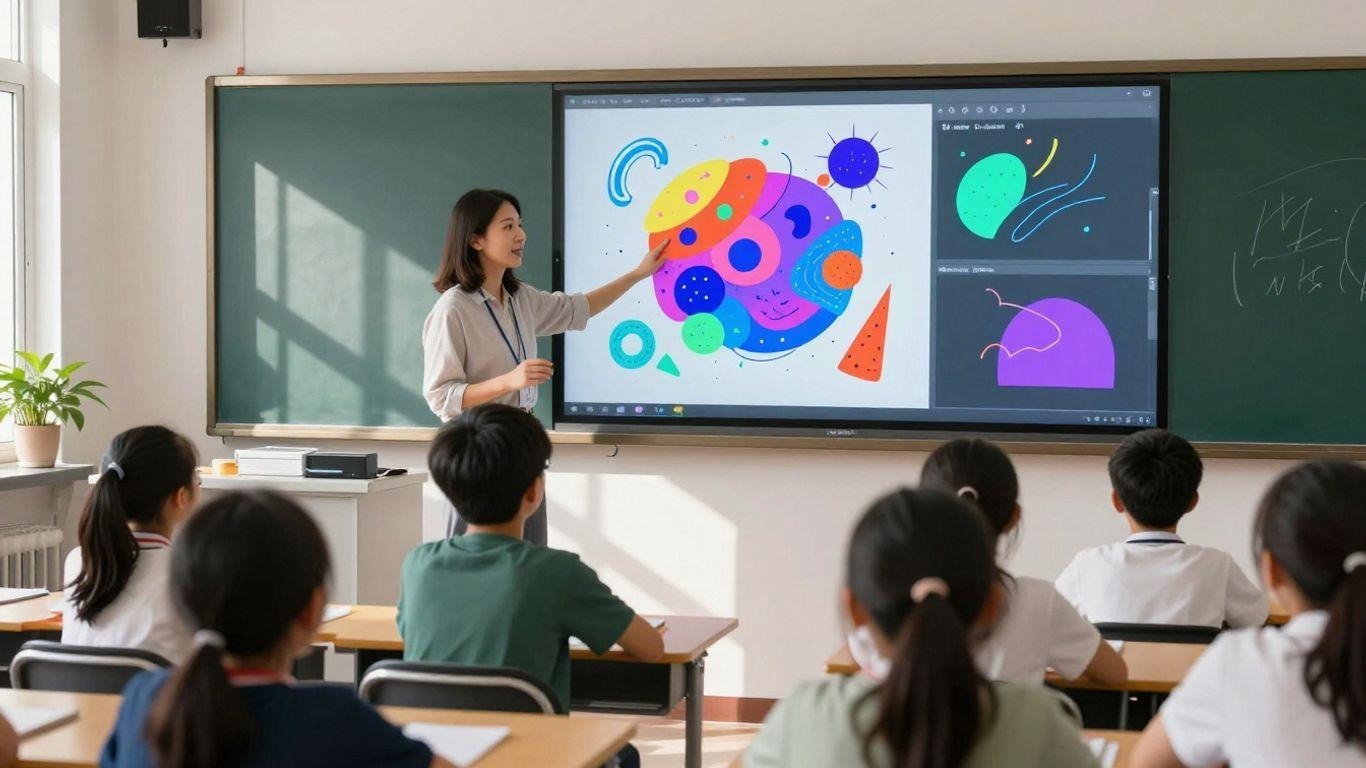
Students are often surprised by how different teaching methods can be. In many countries, education is more focused on:
- independent learning
- critical thinking
- class participation
Instead of memorising information, students are expected to analyse and share opinions. This can be challenging initially, especially for those coming from more structured systems.
However, adapting to this approach helps in developing skills that are highly valued in global careers.
Everyday expenses add up quickly
While students plan for tuition fees and rent, they often underestimate daily expenses. Costs such as transportation, groceries, eating out, and utilities can quickly add up.
In some countries, even basic services can be expensive. Managing a budget becomes an essential skill. Students who Study Abroad learn to track their spending, prioritise needs, and make smarter financial decisions.
Over time, this financial awareness becomes a valuable life skill.
Making friends is not always easy
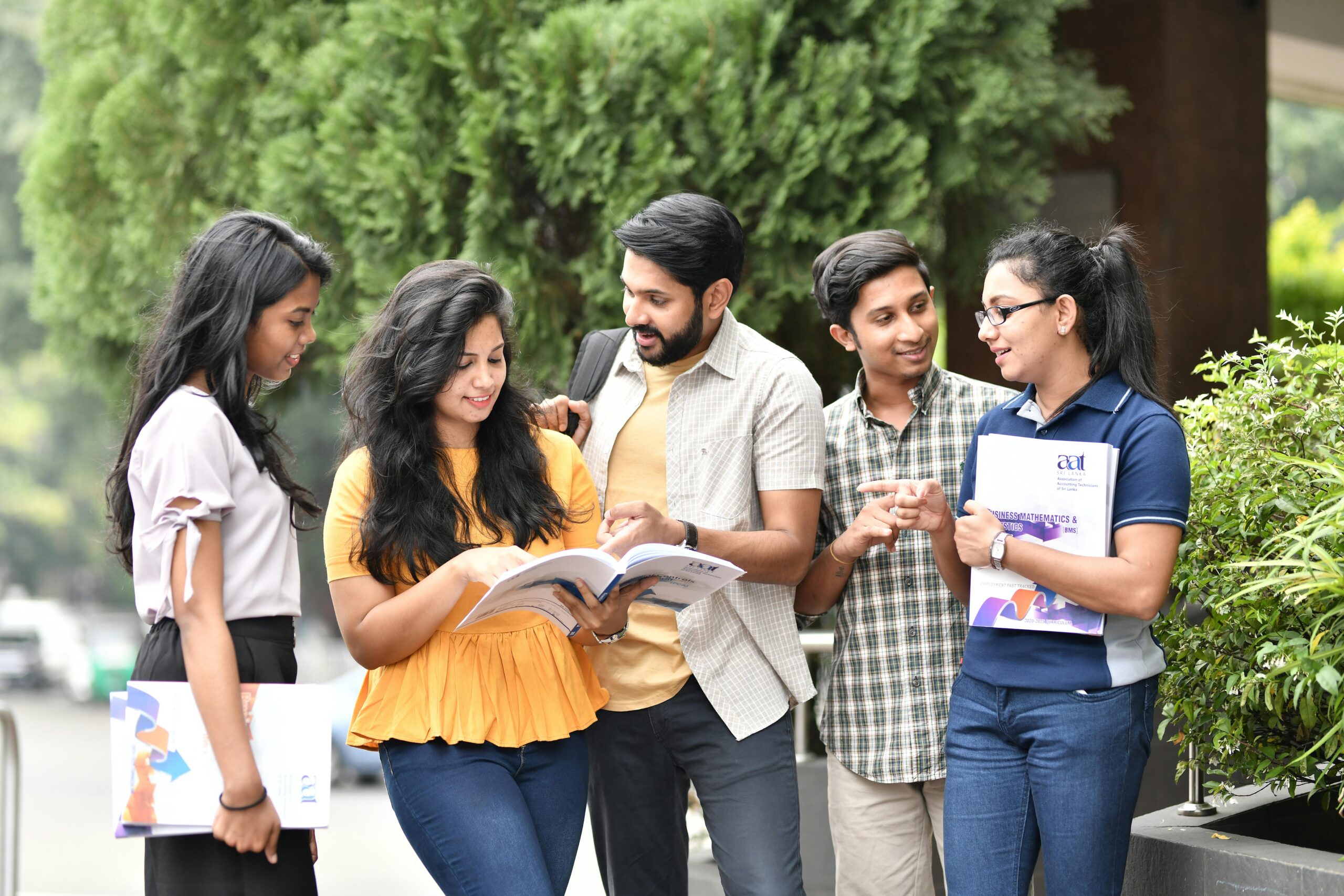
Many students expect to build friendships quickly. While universities are diverse and welcoming, forming meaningful connections can take time.
Cultural differences, language barriers, and different social habits can make it challenging at first. Some students may feel isolated during the initial months.
Joining student groups, attending events, and participating in activities can help. Once connections are formed, they often turn into lifelong friendships.
Weather and lifestyle changes can affect you
Weather is something students rarely think about in detail. Moving from a warm climate to a colder one, or vice versa, can impact both physical health and mood.
Shorter days, less sunlight, or extreme cold can feel uncomfortable at first. It may also affect energy levels and motivation.
Similarly, lifestyle differences such as eating habits, daily routines, and social norms require adjustment. Being open to change makes this transition easier.
You become more independent than expected
Living overseas pushes students to handle everything on their own. From cooking meals to managing finances and dealing with unexpected situations, independence becomes a daily requirement.
At times, this can feel stressful. But it also builds confidence. Students realise they are capable of handling challenges without constant support.
This independence is one of the most valuable outcomes of choosing to Study Abroad.
Part-time work is not always easy to manage
Many students plan to work part-time while studying. While this is possible, balancing work and academics is not always easy.
Finding a job can take time, and managing work hours alongside assignments and exams requires discipline. Some students underestimate how demanding this balance can be.
However, those who manage it well gain practical experience and improve their time management skills.
Small cultural differences matter more than expected
Cultural differences are often discussed, but their impact is usually underestimated. Simple things like communication styles, punctuality, or social behaviour can feel unfamiliar.
For example, the way people interact with professors or colleagues may be very different. Understanding these subtle differences helps in avoiding misunderstandings.
Over time, students become more adaptable and culturally aware, which is highly valuable in global environments.
Growth happens outside the classroom
One of the biggest surprises is that most learning happens beyond academics. The real growth comes from experiences, handling challenges, meeting new people, and stepping out of comfort zones.
Students develop:
- confidence
- resilience
- problem-solving skills
These qualities shape not only their careers but also their personalities.
Final thoughts
Moving overseas for education is a life-changing decision. While it comes with challenges, it also offers unmatched growth and opportunities. The key is to stay open-minded and adaptable.
When students choose to Study Abroad, they are not just earning a degree. They are building a stronger, more capable version of themselves.
By understanding what to expect and what not to, students can prepare better and make their journey smoother and more rewarding.