Introduction
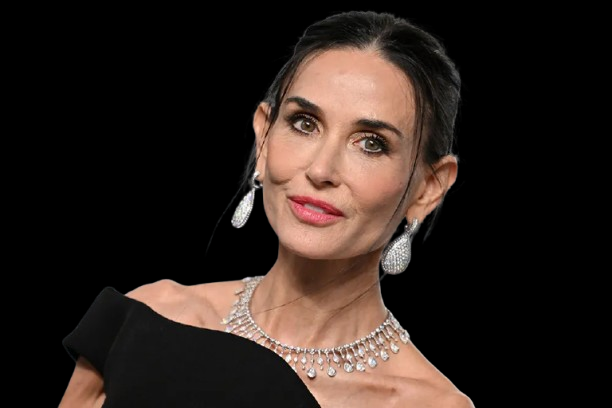
Demi Moore is one of Hollywood’s most recognizable and influential actresses, known for her groundbreaking roles, bold career choices, and remarkable resilience. From rising as a young actress in the 1980s to becoming the highest-paid female star in the 1990s, her journey reflects both the glamour and the harsh realities of the entertainment industry.
This article explores the untold story behind Demi Moore’s life, career, and enduring Hollywood legacy—offering a complete, factual, and insightful look into her evolution as an artist and cultural icon.
Early Life and Challenging Beginnings
Demi Moore was born Demetria Gene Guynes on November 11, 1962, in Roswell, New Mexico. Her early life was far from stable. Her biological father left before she was born, and her childhood was marked by frequent moves, financial struggles, and family instability.
Growing up in a turbulent environment, Moore faced emotional challenges that shaped her personality and determination. She left school at just 16 years old and began working to support herself, demonstrating independence at a very young age.
Entry Into Modeling and Acting
Before entering Hollywood, Demi Moore started her career as a model. Her transition into acting came in the early 1980s when she landed a role in the soap opera General Hospital, which gave her early exposure and industry experience.
Her first film appearance came in Choices (1981), but her real breakthrough came later in the decade. During this time, she also became associated with the “Brat Pack,” a group of young actors who dominated teen-oriented films in the 1980s.
Breakthrough and Rise to Stardom
Demi Moore’s rise to stardom accelerated in the late 1980s and early 1990s. Her role in Ghost (1990) became a global success and solidified her status as a leading actress.
Following this, she starred in a series of blockbuster films, including A Few Good Men (1992), Indecent Proposal (1993), and Disclosure (1994). These roles showcased her versatility and made her one of the most sought-after actresses in Hollywood.
Her performances combined emotional depth with strong screen presence, helping redefine the role of women in mainstream cinema during that era.
Becoming the Highest-Paid Actress
One of the most defining milestones in Demi Moore’s career came in the mid-1990s when she became the highest-paid actress in Hollywood. She reportedly earned $12.5 million for the film Striptease (1996), setting a new industry benchmark.
This achievement was more than just financial—it symbolized a shift in how female actors were valued in the film industry. Moore’s success opened doors for future generations of actresses to demand equal pay and recognition.
Career Risks and Public Scrutiny
Demi Moore was known for taking bold and unconventional roles, which sometimes led to criticism. Films like The Scarlet Letter (1995) and Striptease received mixed to negative reviews, impacting her public image.
However, her role in G.I. Jane (1997) demonstrated her commitment to challenging stereotypes. She famously shaved her head for the role and underwent intense physical training, earning respect for her dedication despite mixed reviews.
Her willingness to take risks made her a trailblazer, even when those risks did not always pay off commercially.
Personal Life and Relationships
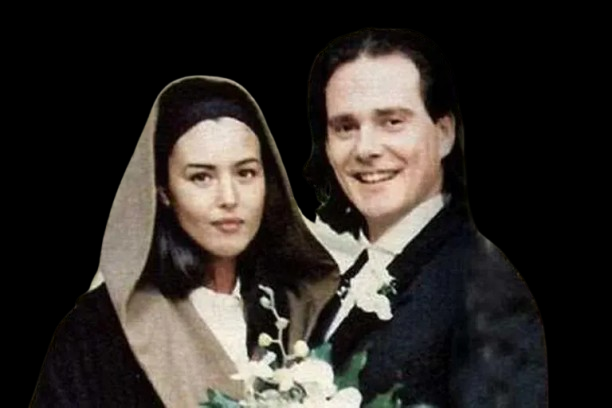
Demi Moore’s personal life has often been a topic of public interest. She married musician Freddy Moore at a young age, and later actor Bruce Willis, with whom she has three daughters.
Her relationship with Ashton Kutcher also attracted significant media attention. Despite the challenges of maintaining relationships under public scrutiny, Moore has remained open about her experiences, often discussing them in interviews and her memoir.
Hiatus and Life Away from Hollywood
In the late 1990s, Demi Moore took a step back from acting to focus on raising her children. She moved to Idaho and embraced a quieter lifestyle, temporarily distancing herself from the pressures of Hollywood.
This period allowed her to prioritize family and personal well-being. While she appeared in occasional projects, she largely remained out of the spotlight for several years.
Comeback and Career Reinvention
Demi Moore made a successful return to the screen in the 2000s with roles in films like Charlie’s Angels: Full Throttle (2003).
In recent years, her career has experienced a significant resurgence. Her performance in The Substance (2024) received critical acclaim, earning her major awards including a Golden Globe and renewed recognition as a powerful performer.
This comeback highlights her ability to reinvent herself and remain relevant in an ever-changing industry.
Awards, Recognition, and Achievements
Throughout her career, Demi Moore has received numerous accolades, including a Golden Globe Award, Critics’ Choice Award, and Screen Actors Guild recognition.
She has also been nominated for prestigious awards such as the Academy Awards and BAFTA, reflecting her impact as a serious actress. Her inclusion in Time’s list of the world’s most influential people further underscores her cultural significance.
Writing and Personal Reflection
In 2019, Demi Moore released her memoir Inside Out, which became a New York Times bestseller.
The book offered an honest and deeply personal look at her life, including her struggles with addiction, relationships, and self-worth. It resonated with readers worldwide and provided a new perspective on her journey beyond Hollywood.
Advocacy and Social Impact
Beyond acting, Demi Moore has been actively involved in philanthropy and advocacy. She co-founded organizations focused on combating human trafficking and raising awareness about exploitation.
Her work in this area demonstrates her commitment to using her platform for meaningful change. She has consistently spoken out about social issues, making her influence extend beyond entertainment.
Why Demi Moore Remains Relevant Today
Demi Moore’s enduring relevance can be attributed to her adaptability and authenticity. She has successfully navigated multiple phases of her career, from rising star to global icon to comeback performer.
Her recent projects, combined with her openness about personal struggles, have made her relatable to modern audiences. In a world that often sidelines aging actresses, Moore has redefined what longevity in Hollywood looks like.
Lessons from Demi Moore’s Journey
Demi Moore’s life offers valuable lessons about resilience, reinvention, and self-belief. Her journey shows that success is not linear and that setbacks can lead to growth.
She has demonstrated that vulnerability can be a strength, especially when shared authentically. Her ability to evolve while staying true to herself is one of the key reasons behind her lasting legacy.
Conclusion
Demi Moore’s story is one of transformation, courage, and enduring influence. From a challenging childhood to becoming one of Hollywood’s most powerful actresses, her journey is both inspiring and instructive.
Her legacy goes beyond films and awards—it lies in the barriers she broke, the risks she took, and the authenticity she embraced. As she continues to evolve, Demi Moore remains a symbol of strength, reinvention, and timeless relevance in the world of entertainment.