Introduction to “How Big Is 11 Inches”
Understanding measurements like 11 inches can be tricky without a ruler in hand. While the number itself may seem small, it becomes much easier to grasp when you compare it to everyday objects. Whether you’re shopping online, measuring furniture, or estimating size for a project, knowing how big 11 inches really is can save time and confusion.
This guide breaks down the size of 11 inches in a simple, practical way—using real-life comparisons, visual examples, and easy explanations that make the measurement instantly relatable.
What Does 11 Inches Mean Exactly?
Eleven inches is a standard unit of length in the imperial system. In metric terms, it equals approximately 27.94 centimeters, 279.4 millimeters, or about 0.92 feet.
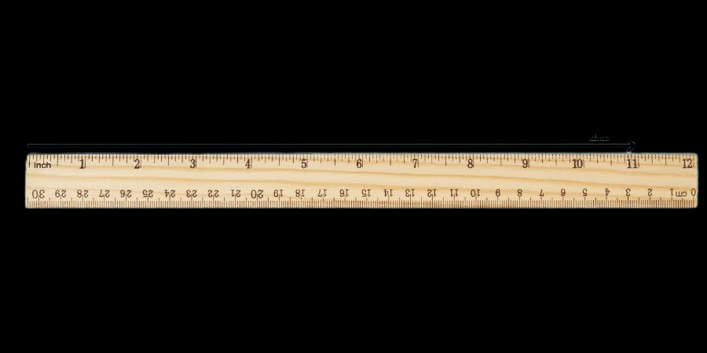
To make it even simpler, 11 inches is just one inch shorter than a full 12-inch ruler, meaning it’s almost a complete foot. This “almost a foot” comparison is one of the easiest ways to visualize its size quickly.
Visualizing 11 Inches Without a Ruler
If you don’t have a measuring tool nearby, don’t worry—you can still estimate 11 inches using things around you.
A great mental image is a standard ruler. Imagine the full 12-inch ruler you used in school, then subtract just one inch from the end. That remaining length is exactly 11 inches.
Another helpful trick is using your own body. For many adults, the length from the elbow to the wrist (forearm) is roughly 10 to 11 inches, making it a natural measuring reference you always carry with you.
Real-Life Comparisons to Understand 11 Inches
A Sheet of Letter-Size Paper
One of the easiest ways to understand how big 11 inches is comes from a common office item: paper. A standard sheet measures 8.5 × 11 inches, meaning its longer side is exactly 11 inches.
If you’ve ever held a printed document or notebook page upright, you’ve already seen what 11 inches looks like in real life.
A Nearly Full Ruler
A typical ruler is 12 inches long. Since 11 inches is just slightly shorter, it covers about 90% of the ruler’s length.
This comparison is especially useful because most people are familiar with rulers, making it a quick mental reference.
A Tablet or Small Laptop Screen
Many tablets and compact laptops come with screens close to 11 inches in size. Devices like an 11-inch tablet give a realistic sense of the measurement when held in your hands.
This example is particularly helpful in today’s digital world, where people frequently interact with such devices.
Two Ballpoint Pens
A standard ballpoint pen is about 5 to 5.5 inches long. If you place two pens end to end, you get very close to 11 inches.
This simple comparison uses everyday items you likely already have nearby.
A Men’s Size 11 Shoe
A men’s size 11 shoe is roughly 11 inches in length, making it another easy way to visualize the measurement.
If you’ve ever held or worn shoes of this size, you already have a clear idea of how long 11 inches is.
Everyday Objects That Are Around 11 Inches
Many items in daily life are close to this length. Some common examples include:
- Standard magazines or notebooks
- Medium-sized cutting boards
- Large dinner plates (diameter)
- Kitchen utensils like long spatulas
- Compact keyboards or tablet widths
These familiar objects help turn an abstract number into something tangible and easy to imagine.
How Big Is 11 Inches Compared to Other Measurements
Compared to 1 Foot
A foot equals 12 inches, so 11 inches is about 91% of a foot.
This makes it slightly shorter than what most people think of as a “full length” measurement.
Compared to Centimeters
In metric units, 11 inches equals about 27.94 cm, which is just under 30 cm.
If you’re used to centimeters, think of a 30 cm ruler and imagine removing a small portion—that’s roughly 11 inches.
Compared to Your Hand or Arm
Your hand span (thumb to pinky) is usually around 7–9 inches, so 11 inches is slightly longer than a full hand stretch.
Your forearm, as mentioned earlier, is often close to this length, making it one of the most practical body-based comparisons.
Practical Uses of 11 Inches in Daily Life
You might be surprised how often 11 inches appears in everyday situations.
In offices, paper sizes rely heavily on this measurement. In technology, screen sizes often hover around this range for portability. In kitchens, utensils and cutting boards frequently match this dimension.
Even in crafts, DIY projects, and home organization, 11 inches is a common measurement for spacing, storage, and layout planning.
Why Understanding 11 Inches Matters
Knowing how big 11 inches is can be incredibly useful in real-life situations.
For example, when shopping online, product descriptions often list dimensions in inches. Without a clear sense of size, it’s easy to misjudge whether something will fit your space or meet your needs.
Similarly, in construction, crafting, or interior design, being able to visualize measurements quickly can improve accuracy and efficiency.
How to Measure 11 Inches Without Tools
If you don’t have a ruler, here are simple ways to estimate 11 inches:
- Use a sheet of paper (exactly 11 inches long)
- Place two pens end to end
- Use your forearm as a guide
- Line up small objects like coins or bottle caps
These quick methods allow you to measure or estimate length anywhere, anytime.
Common Mistakes When Estimating 11 Inches
Many people underestimate or overestimate 11 inches because they rely on guesswork instead of comparisons.
A common mistake is assuming it’s much smaller than it actually is. In reality, 11 inches is fairly substantial—almost a full foot.
Another mistake is confusing diagonal measurements (like screens) with straight-line length, which can lead to inaccurate assumptions.
Visual Memory Tricks for 11 Inches
To remember how big 11 inches is, try associating it with one or two strong visual references.
For example:
- Think of a vertical sheet of paper
- Imagine a nearly full ruler
- Picture a tablet in your hands
By linking the measurement to familiar objects, you’ll be able to recall it instantly without needing to measure.
Is 11 Inches Considered Big or Small?
Whether 11 inches is “big” or “small” depends on context.
For small objects like phones or tools, 11 inches is relatively large. But for furniture or room dimensions, it’s quite small.
This relative nature of size is why comparisons are so important—they help you understand measurements in a practical way rather than just numbers.
The Role of 11 Inches in Modern Products
Many modern products are designed around this measurement because it offers a balance between portability and usability.
For example, tablets around 11 inches provide enough screen space for work and entertainment while remaining compact and easy to carry.
Similarly, paper, books, and kitchen tools often use this dimension because it fits comfortably within human reach and everyday use.
Conclusion
So, how big is 11 inches? It’s a measurement that’s just one inch short of a foot, roughly 28 centimeters, and incredibly common in daily life.
The easiest way to understand it is through real-life comparisons—like a sheet of paper, a nearly full ruler, or two pens placed together. Once you connect the measurement to familiar objects, it becomes much easier to visualize and use in practical situations.
Whether you’re measuring, shopping, or just curious, understanding 11 inches gives you a valuable reference point that you’ll use more often than you think.