You leave the scan appointment, and the results say everything looks normal. But you still hurt. That happens more often than people think. One big reason? Most scans are done while you’re lying down, relaxed. But you don’t live your life lying down. You stand, walk, bend, carry groceries, chase kids, or just lean on one leg while waiting for coffee. Your body works very differently in those moments.
That’s why standing EOS imaging can make such a difference. The ScanAlign EOS Scan captures your body while you stand naturally not flat on a table. That lets doctors see how your spine, hips, knees, and posture behave under your own weight. And sometimes, that one simple change explains problems that never showed up on regular scans.
What Is a ScanAlign EOS Scan?
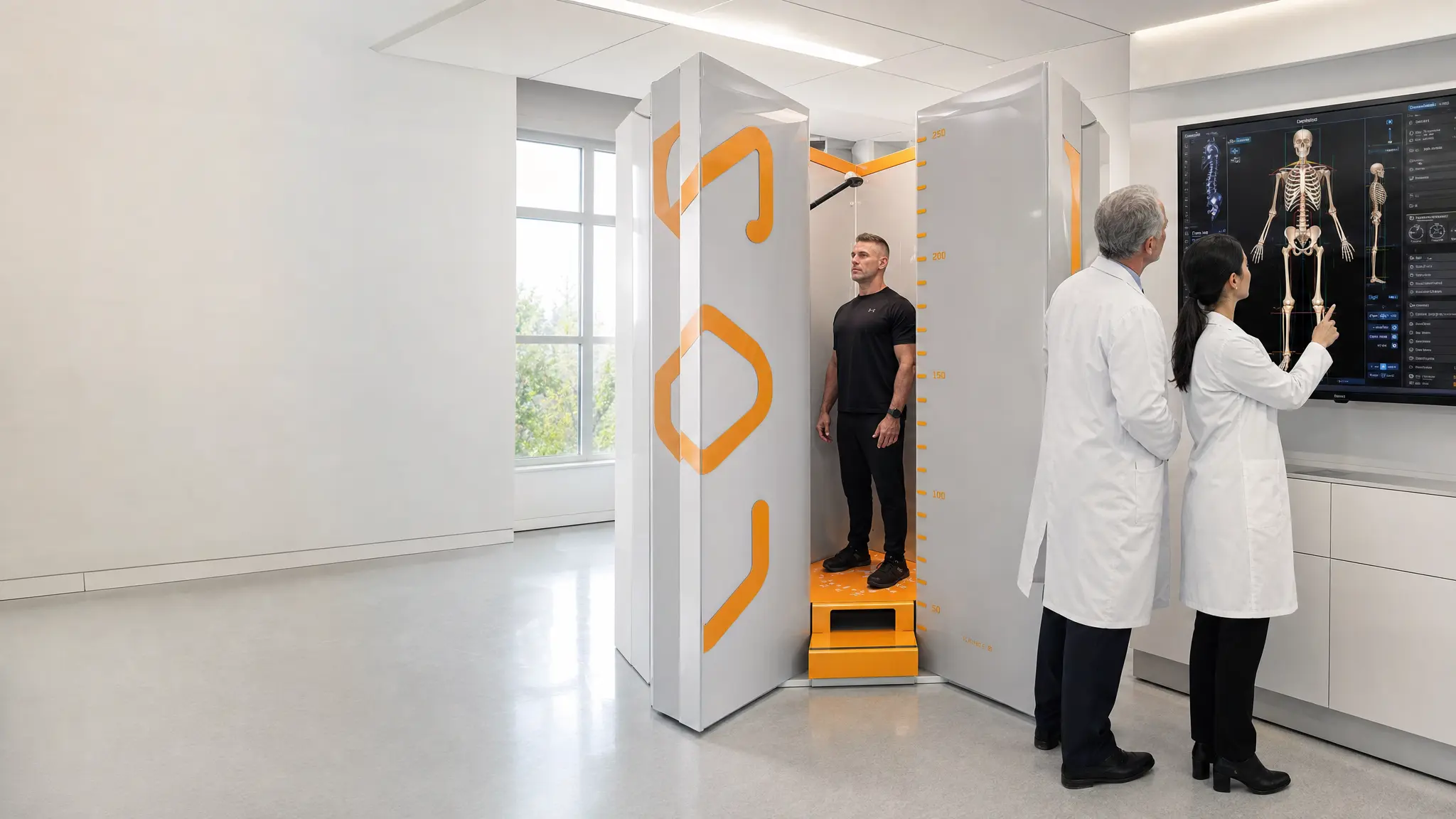
The ScanAlign EOS Scan is a full-body imaging system that works while you stand upright. Instead of zooming in on one small area, it takes a wider view head to toe.
That matters more than you’d think. You might feel pain in one knee. But the real problem could start up in your hip or pelvis. Your body quietly adjusts all day without you realizing it. When one part shifts, another tries to compensate.
- Full-body standing images
- Natural posture assessment
- Lower radiation exposure
- Clearer alignment review
- Better understanding of body balance
You can read more about the service on the Homepage.
Why Standing Imaging Matters More Than Lying Down Scans
Think about the last time your back hurt. Were you lying on a comfy flat table? Probably not. You were standing too long, walking around, or getting up after sitting in a bad position.
That’s exactly why standing imaging matters.
When you stand up, everything changes. Your spine takes pressure. Your knees carry weight. Your hips adjust balance without you even noticing. Those tiny shifts might not show up on a traditional scan taken while you’re resting.
- More natural posture assessment
- Better understanding of balance
- Helpful for movement-related discomfort
- Clearer joint positioning
- Better full-body alignment review
Important Note: Some posture problems only become visible when your body is carrying normal weight in a standing position.
How Body Weight Changes Alignment Results
Most of us never think about how much pressure moves through our bodies every day. Standing in line, walking to work, lifting shopping bags, cooking dinner all of it puts stress on your joints and spine.
Over time, tiny imbalances slowly change how you walk or stand. That’s why you can feel off for months even though earlier scans looked “fine.”
| Imaging Type | Body Position | Main Focus |
| Traditional X-ray | Lying down or limited standing | Bone structure |
| MRI | Relaxed position | Soft tissue detail |
| EOS Scan | Standing upright | Posture and alignment |
What an EOS Scan Can Reveal About Posture and Spine Alignment
Posture changes aren’t always dramatic. Sometimes you just feel uneven when standing. Or your clothes start fitting differently on one side. Or you notice in a photo that one shoulder looks lower.
The ScanAlign EOS Scan helps doctors see those small changes while you stand naturally.
- Scoliosis and spinal curves
- Uneven shoulders or hips
- Pelvic imbalance
- Poor standing posture
- Alignment-related strain
- Changes in body balance
Because the scan captures you under normal pressure, it gives a much more realistic picture of your posture and movement.
Why EOS Imaging Helps with Hip, Knee, and Leg Alignment
Your lower body works like a chain. If one part shifts even a little, another part adjusts to keep you balanced. A tiny hip imbalance, for example, can slowly affect your knees or how you walk over time.
Standing EOS imaging lets doctors see how your hips, knees, pelvis, and legs line up while you’re bearing your own weight.
- Hip positioning review
- Knee alignment assessment
- Pelvic balance analysis
- Leg alignment evaluation
- Limb length comparison
Patients preparing for treatment can also visit the Hip Replacement Page.
Low-Dose Imaging: Why It Matters for Patients
Parents worry when kids need repeated scans over years. That makes total sense, especially for families managing scoliosis or tracking posture.
EOS imaging uses lower radiation than many traditional methods while still giving clear standing images. That makes regular follow-ups feel less stressful.
- Lower radiation exposure
- Helpful for repeat monitoring
- Better support for scoliosis follow-up
- Full-body standing assessment
- Long-term posture monitoring support
Parents can learn more on the Paediatrics Page.
Important Note: Lower-radiation imaging can be a real relief for children who need regular posture checks as they grow.
Who May Benefit from a ScanAlign EOS Scan?
Standing EOS imaging might help you if you’ve been trying to understand ongoing discomfort, posture changes, or balance problems.
Patients who may benefit include:
- People with long-term back discomfort
- Children with scoliosis
- Patients with posture imbalance
- People with hip discomfort
- Patients with knee alignment concerns
- Individuals preparing for orthopaedic treatment
- People with uneven walking patterns
Patients needing extra support before or after imagin.
What Happens During the Scan?
The scan itself is pretty straightforward. You just stand inside the scanner while images are taken from the front and side. Most people find it quick and comfortable because it’s just a natural standing position.
Since the machine captures your whole body at once, doctors can review your posture and alignment without needing several different scans.
- Quick imaging process
- Comfortable standing position
- Full-body image capture
- No difficult preparation
- Efficient posture review
Why Doctors Use EOS Results for Better Planning
Doctors like EOS imaging because it shows how your body behaves in daily life. Instead of focusing on just one painful spot, the scan gives a wider view of your posture and alignment from head to toe.
That helps support clearer diagnosis and more practical treatment planning.
- Better posture assessment
- Improved alignment analysis
- More accurate treatment planning
- Better long-term monitoring
- Clearer understanding of body balance
Conclusion
A standing scan might seem like a small difference. But it can show posture and alignment problems that are easy to miss when you’re lying down fully relaxed.
The way you stand, walk, and carry weight affects your spine, hips, and knees every single day. That’s why standing imaging often gives a more realistic picture.
The ScanAlign EOS Scan helps doctors see how your body behaves during natural movement not just at rest. If you’re dealing with scoliosis, posture imbalance, back discomfort, or walking issues, it can provide clearer answers and better treatment guidance.
Get a Clearer View of Your Alignment
Looking for real answers about posture, spine balance, or joint discomfort? Book a ScanAlign EOS scan today and see how your body aligns when you stand and move naturally.
FAQs
1. What is a ScanAlign EOS Scan?
A ScanAlign EOS Scan is a standing imaging system that takes full-body pictures while you stay upright. It helps doctors study your posture and alignment more naturally.
2. Why is standing imaging important?
Standing imaging shows how your body behaves under your normal weight and balance. It can reveal posture or alignment problems that lying-down scans might miss.
3. Is EOS imaging safer than traditional scans?
EOS imaging uses lower radiation than many standard methods. That’s especially helpful if you need repeated scans over time.
4. Can EOS imaging help with back pain?
Yes, it can help doctors understand posture and alignment issues linked to long-term back discomfort. It gives a clearer view of how your spine behaves while you stand.
5. Does EOS imaging show hip and knee alignment?
Yes. The scan looks at your hips, knees, pelvis, and legs together in one standing image. That helps doctors see how your lower body works as a connected system.
6. How long does an EOS scan take?
It’s usually quick and straightforward. You just stand naturally inside the scanner while images are taken.