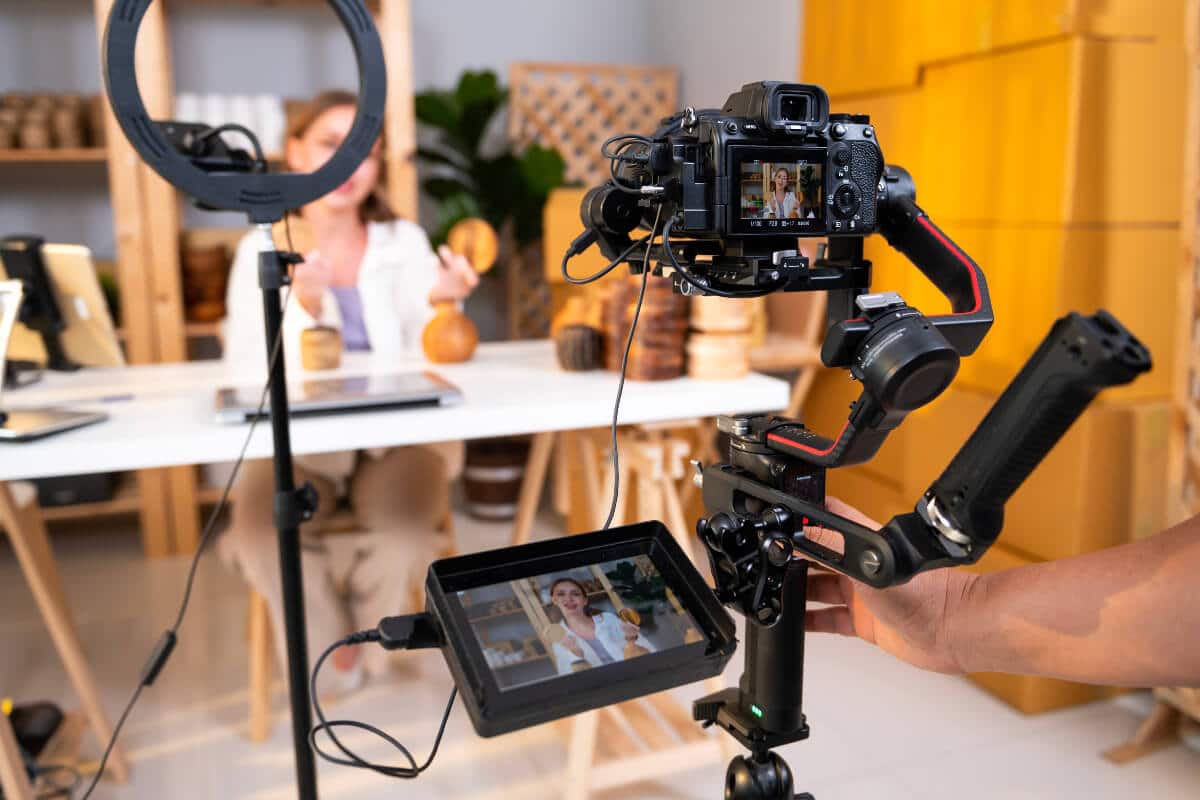
When a business decides to invest in video content for its products, the decision rarely starts with clarity. Most marketing managers and product teams know they need video — their competitors have it, their conversion data suggests its absence is costing them, and their sales team keeps asking for better visual assets. What they often lack is a practical framework for choosing the right production partner, structuring the brief correctly, and avoiding the common production failures that result in footage that never gets used.
Product video is not like other content formats. It sits at the intersection of brand representation, technical accuracy, and commercial intent. A poorly executed product video does more than waste budget — it can misrepresent a product’s quality, confuse buyers, or create inconsistencies that require expensive reshoots. Understanding how this category of video production actually works, from the first agency conversation to final delivery, is essential before any production begins.
What Product Video Services Actually Include
Product video services cover a wider scope than most clients expect when they first reach out to a production company. The term is often assumed to mean a simple video shoot of a physical item, but in practice it encompasses pre-production strategy, scripting, styling, filming, motion graphics, editing, color grading, audio, and format delivery — each of which requires its own expertise and planning time. For businesses comparing vendors or building their first production brief, a structured Product Video Services guide can help clarify the scope, deliverable types, and decision points involved before any agency conversation begins.
The distinction between a production company that specializes in product video and a generalist agency is significant. Product-focused teams understand lighting conditions for reflective surfaces, the framing requirements for e-commerce platforms, and the technical demands of showing a product in use without obscuring its key features. These are not small details — they directly affect whether the final video performs in the context where it will be shown.
Pre-Production Is Where Most Projects Are Won or Lost
The pre-production phase is the period before a camera is switched on, and it is the stage most clients underestimate. This is where the production company should be asking detailed questions about how the product will be used, who the viewer is, what platform the video will appear on, and what the single most important thing is that the viewer should understand after watching.
Without strong pre-production, even technically well-executed footage often misses the mark. A video that shows a product beautifully but fails to communicate its function or differentiator does not support purchasing decisions. Pre-production is also the stage where styling decisions are made — whether props are needed, what background works best, and how the product should be positioned relative to the viewer’s eye line. These choices are harder to reverse once filming begins.
Deliverable Formats Must Be Defined Before Production Starts
Different platforms require different video specifications, and a common mistake is beginning production without a confirmed list of where the video will be distributed. A product video destined for a website homepage has different aspect ratio requirements than one designed for a social media feed or a retail product listing. If format requirements are not agreed upon at the start, the production team may deliver footage that requires expensive post-production revision to adapt.
Most professional product video teams will ask for a distribution list as part of the initial brief. If a vendor does not ask this question, it is a signal that their process may not be thorough enough to handle multi-channel delivery without problems downstream.
How to Evaluate a Product Video Agency Before Signing Anything
Selecting a video production partner is a process that deserves more rigor than reviewing a portfolio and comparing quotes. The portfolio tells you what the team is capable of producing; it does not tell you how they manage a project, how they communicate when problems arise, or whether their standard workflow matches the level of involvement your team has capacity for.
When evaluating a production agency, the quality of their questions matters as much as the quality of their previous work. A professional team will want to understand your product category, your target viewer, your existing brand standards, and the specific context in which the video will appear. Vague responses to these questions, or a tendency to jump straight to a pricing structure, suggests the agency prioritizes speed over outcomes.
Portfolio Relevance Matters More Than Volume
A large portfolio of unrelated work is less useful than a smaller body of work in your product category. Lighting techniques for food products differ from those used for electronics, which differ again from lifestyle or industrial products. A team that has not worked in your category may still produce good results, but the learning curve will affect your timeline and your budget.
When reviewing a portfolio, look for consistency across different projects rather than one exceptional showpiece. Consistency suggests the team has a reliable production process. Inconsistency — where some projects look polished and others feel rushed — may indicate the team’s output depends heavily on the individual assigned to the project rather than on a structured workflow.
Understanding Their Post-Production Process
Post-production — editing, color grading, sound design, and motion graphics — accounts for a significant portion of what makes a product video effective. Some agencies treat this as a separate service with separate costs; others include it within a production package. Neither approach is inherently better, but the structure needs to be clear before a contract is signed.
Ask how many rounds of revision are included, what happens if revisions require returning to the original footage, and who holds the raw files after delivery. Ownership of raw footage matters if you need to adapt the content later without re-engaging the full production process. These are contractual and workflow questions that get overlooked when the focus stays on the creative brief.
What to Avoid When Briefing a Video Agency
A poorly written brief is one of the most consistent causes of unsatisfactory product video output. The brief is the document that aligns the production team’s creative decisions with the client’s commercial intent, and when it is vague or incomplete, the team defaults to aesthetic choices that may not serve the product’s actual purpose.
The most common briefing mistakes fall into a few recognizable patterns. Clients often describe what they want the video to look like instead of what they want the viewer to feel, understand, or do. They provide brand guidelines without explaining which elements are mandatory and which are flexible. They share examples of competitor videos without explaining what specifically they admire about those examples. Each of these gaps introduces ambiguity that the production team has to resolve through assumption.
Avoid Vague Creative Direction
Phrases like “clean and modern,” “premium feel,” or “engaging and dynamic” appear in nearly every creative brief and communicate very little to a production team. These descriptors mean different things to different people and provide no actionable guidance for decisions about lighting style, pace, music tone, or product framing.
More useful direction focuses on outcomes and context. Explaining that the video will appear immediately below a product title on a retail listing page, that viewers will typically be comparing three similar products, and that the key differentiator is a specific material or mechanism gives the production team far more useful guidance than aesthetic descriptors. The brief should describe the viewer’s decision-making context, not just the desired aesthetic.
Do Not Treat the Brief as a One-Way Document
A brief should initiate a conversation, not replace one. Submitting a written brief and expecting the agency to proceed without further dialogue is a setup for misalignment. A structured kickoff call or briefing session — where the production team can ask clarifying questions and reflect their understanding back to the client — significantly reduces the risk of a first cut that misses the mark entirely.
The video production process involves dozens of small decisions that collectively determine the final output. Many of those decisions are made during pre-production, often without the client being present. A thorough kickoff conversation ensures the production team is equipped to make those decisions in line with the client’s intent rather than their own creative preference.
How to Structure a Clear and Effective Production Brief
An effective production brief answers the questions a production team will have before they need to ask them. It removes ambiguity from the early stages and creates a shared reference point that both sides can return to if disagreements arise during the process.
A well-structured brief covers the following areas in a way that is specific rather than general: the product being filmed and its primary use case, the intended viewer and their level of familiarity with the product category, the platform or context where the video will appear, the single most important message the video should communicate, and any mandatory brand, legal, or formatting requirements.
Define Success Before Production Begins
The brief should include a clear definition of what a successful outcome looks like. This does not need to be a detailed performance metric — it can be as simple as describing what the viewer should understand, feel, or do after watching. Without this definition, there is no shared standard against which to evaluate the final cut, which makes revision rounds slower and more subjective.
Aligning on success criteria at the start of a project also shifts the agency’s focus from executing a creative vision to achieving a business outcome. That shift in framing tends to produce work that is more purposeful and better suited to the commercial context in which it will appear.
Conclusion
Product video is a practical business asset, and it should be treated as one throughout the production process. The decisions made before filming begins — how the agency is selected, how the brief is written, and how deliverable requirements are defined — have a direct impact on whether the final output is usable, effective, and worth the investment.
Businesses that approach product video services with the same operational rigor they apply to other production decisions consistently get better results than those who treat it as a creative exercise with loose parameters. The framework is not complicated: choose an agency with relevant experience and a structured process, write a brief that answers the questions your production team will need answered, and define success before anything is filmed. These steps do not guarantee perfect output, but they dramatically reduce the risk of costly revisions, unusable footage, and misaligned creative decisions that require starting over.
For teams in the early stages of planning a product video project, taking time to understand the full scope of what professional production involves — before reaching out to vendors — will make every subsequent conversation more focused and more productive.