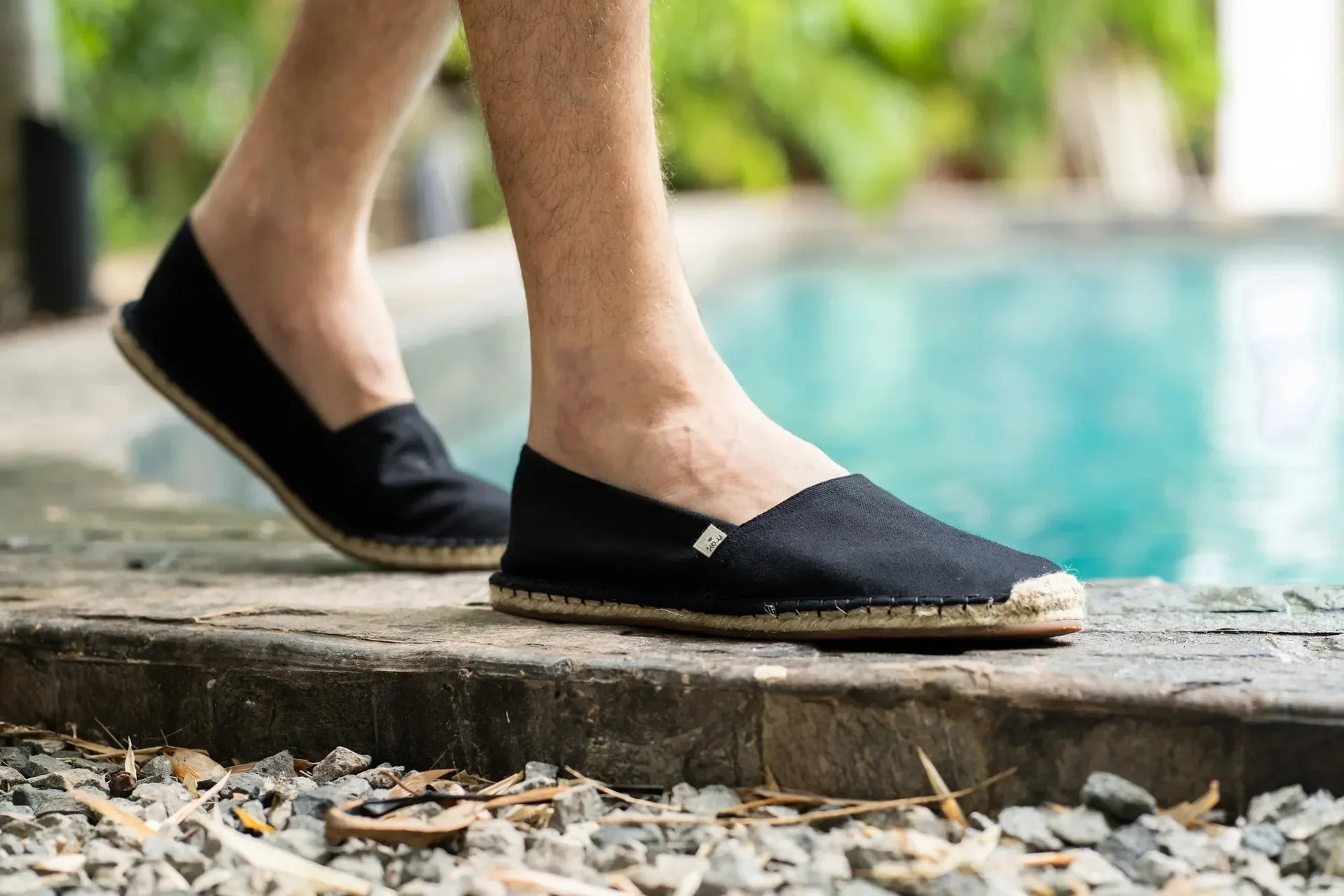
Espadrille shoes are a timeless footwear choice that combines comfort, style, and versatility. Known for their distinctive woven soles, espadrilles have become a favorite option for warm-weather outfits, vacations, and casual everyday wear. While they are admired for their lightweight construction and fashionable appearance, one common concern among wearers is the durability of the sole. Many people wonder why espadrille shoe soles become damaged over time and what can be done to extend their lifespan.
Understanding the causes of sole damage can help consumers make better purchasing decisions and maintain their favorite shoes more effectively.
Understanding the Structure of Espadrille Soles
The most recognizable feature of an espadrille is its sole, traditionally made from braided jute fibers. Jute is a natural plant-based material that offers flexibility, breathability, and a unique aesthetic appeal. In modern designs, manufacturers often reinforce the jute with rubber layers to improve durability and traction.
Although these materials contribute to the comfort and charm of espadrilles, they are not as resistant to harsh conditions as the materials commonly found in athletic shoes or heavy-duty footwear. As a result, espadrille soles require special care to maintain their appearance and performance.
Exposure to Moisture
One of the primary reasons espadrille soles become damaged is excessive exposure to moisture. Since traditional espadrille soles contain natural jute fibers, water can weaken the structure over time.
When jute absorbs moisture, it may begin to lose its strength and shape. Repeated exposure to rain, puddles, wet grass, or humid environments can cause the fibers to swell and eventually deteriorate. In severe cases, prolonged moisture exposure may lead to separation between the upper part of the shoe and the sole.
For this reason, espadrilles are generally considered best suited for dry weather conditions.
Frequent Walking on Rough Surfaces
Another common cause of sole damage is walking on abrasive surfaces. Espadrilles are designed primarily for casual wear and light walking. Continuous use on rough pavement, gravel paths, rocky terrain, or uneven surfaces can accelerate wear and tear.
The friction created by these surfaces gradually breaks down both the jute and any rubber reinforcement attached to the sole. Over time, this can lead to thinning, fraying, and reduced structural integrity.
Individuals who regularly walk long distances may notice sole deterioration more quickly than occasional wearers.
Lack of Proper Storage
Improper storage can also contribute to premature damage. Many people leave their shoes in areas with excessive heat, humidity, or direct sunlight without realizing the potential consequences.
Heat can dry out certain materials, while humidity may encourage moisture absorption within the jute fibers. Direct sunlight can also weaken adhesives used during the manufacturing process.
To maintain the quality of espadrille soles, shoes should be stored in a cool, dry place away from prolonged exposure to environmental extremes.
Daily Wear Without Rotation
Wearing the same pair of espadrilles every day can significantly shorten their lifespan. Like any footwear, espadrilles benefit from periods of rest between uses.
Continuous wear prevents the materials from fully drying and recovering from daily stress. This constant pressure may lead to faster sole compression, reduced cushioning, and increased deterioration of the woven structure.
Rotating between multiple pairs of shoes allows each pair to maintain its condition for a longer period.
Poor Maintenance Habits
Neglecting routine maintenance is another factor that contributes to sole damage. Dirt, dust, and debris can accumulate within the woven fibers and gradually weaken them.
Many people make the mistake of cleaning espadrilles with excessive water, which can further damage the jute. Instead, gentle brushing and spot cleaning are generally safer methods for preserving the integrity of the sole.
Regular care helps prevent small issues from developing into larger structural problems.
Low-Quality Manufacturing Materials
Not all espadrilles are created equal. The quality of materials and construction techniques can vary significantly between brands and manufacturers.
Lower-quality products may use weaker jute fibers, less durable adhesives, or thinner rubber outsoles. As a result, the soles may wear out faster even under normal conditions.
Consumers seeking long-lasting footwear should pay attention to craftsmanship, material quality, and customer reviews before making a purchase. Brands such as Su14 often highlight the importance of combining style with quality construction to improve overall durability.
Weight and Walking Patterns
Individual walking habits can also influence sole wear. Factors such as body weight, posture, and gait affect how pressure is distributed across the shoe.
Some people naturally place more pressure on the heel, while others wear down the front portion of the sole more quickly. Uneven pressure distribution can lead to localized damage and accelerated wear in specific areas.
Although this type of wear is normal, understanding personal walking patterns can help consumers choose footwear with appropriate support and reinforcement.
Environmental Factors
Environmental conditions play a major role in determining how long espadrille soles remain in good condition.
Extreme temperatures, high humidity, sandy environments, and frequent exposure to dust can all contribute to gradual deterioration. Coastal areas, for example, may expose shoes to moisture and salt, while urban environments often involve constant contact with rough concrete surfaces.
Choosing the right footwear for specific environmental conditions can help minimize unnecessary damage.
How to Extend the Life of Espadrille Soles
Fortunately, there are several practical steps that can help prolong the lifespan of espadrille shoes:
- Avoid wearing them in heavy rain or wet conditions.
- Allow shoes to air out after each use.
- Rotate between multiple pairs of footwear.
- Store them in a cool, dry environment.
- Clean them gently using appropriate methods.
- Avoid extended walks on rough terrain.
- Choose high-quality models with reinforced soles.
By following these simple maintenance practices, wearers can significantly reduce the risk of premature sole damage.
Conclusion
Espadrille shoes remain one of the most popular footwear choices for warm-weather fashion thanks to their comfort, elegance, and versatility. However, their distinctive natural soles require a certain level of care and attention. Moisture exposure, rough surfaces, improper storage, poor maintenance, and low-quality materials are among the most common reasons espadrille soles become damaged.
Understanding these factors allows consumers to make informed choices and protect their investment. With proper care, high-quality espadrilles can maintain their appearance and functionality for many seasons, providing both comfort and style wherever they are worn.