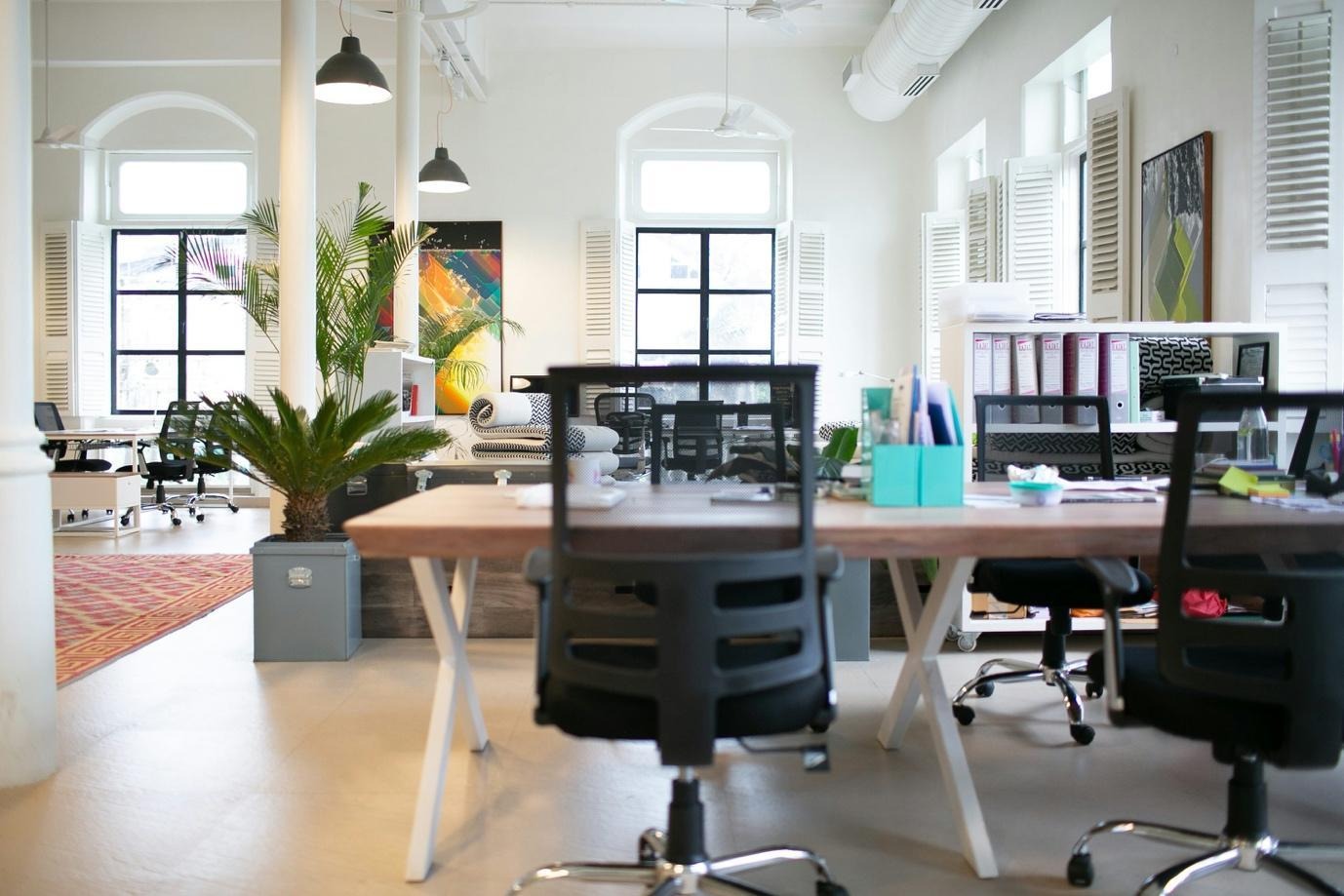
Modern workplaces have changed considerably over the last few years. While technology, flexible working arrangements and office design often attract attention, the physical environment is one of the most important factors affecting employee comfort. Most of us spend a large portion of our day indoors, so the quality of a workspace can influence our concentration, productivity and overall wellbeing.
Comfortable workspaces are not necessarily the most expensive or visually impressive. Instead, they tend to share a range of practical features that support employees throughout the working day.
Temperature
Temperature plays a major role in workplace comfort. If an office feels too warm, staff can become distracted and sluggish. If it is too cold, concentration may suffer as people become uncomfortable and restless.
Maintaining a stable indoor temperature throughout the day helps create a more pleasant environment. This can be particularly challenging in offices with large windows, open-plan layouts or rooms that receive direct sunlight.
More employers are recognising the value of effective climate control as part of their workplace strategy. In regions such as the South East, warmer summers have encouraged businesses to explore solutions such as air conditioning Surrey services to help maintain consistent comfort levels throughout the year.
Lighting
Lighting can influence mood, alertness and productivity. Natural daylight is often preferred because it creates a brighter and more welcoming atmosphere. Employees working near windows frequently report sleeping and feeling better. Phyllis Zee, M.D., a neurologist and sleep specialist, has said there is “increasing evidence” that daytime light (particularly in the morning) improves our mood, alertness and metabolism.
When natural light is limited, high-quality artificial lighting becomes important. Poor lighting can contribute to eye strain, headaches and fatigue, particularly for people who spend long periods using screens.
A balanced combination of natural and artificial light can help create a workspace that feels comfortable and functional.
Air quality
Fresh, clean air is another key factor. Employees may not always notice good air quality, but they often notice poor air quality very quickly.
Stuffy rooms, lingering odours and inadequate ventilation can make an office feel unpleasant. Good airflow helps maintain a fresher environment and may improve comfort during long working hours.
Ventilation systems and properly maintained cooling equipment can help support healthier indoor conditions, particularly in busy workplaces where many people share the same space.
Noise and layout
Workplace comfort is not limited to physical conditions. Noise levels and office layout can also affect how people feel at work.
Open-plan offices encourage collaboration, but excessive noise can become distracting. Many businesses are introducing quiet areas, meeting spaces and acoustic solutions to provide employees with greater flexibility.
The ability to choose between collaborative and focused working environments often contributes to a more positive workplace experience.
Comfort
Comfortable workspaces help employees focus on their responsibilities rather than environmental distractions. Small improvements in temperature control, lighting, air quality and office design can make a noticeable difference.
As organisations continue to invest in employee wellbeing, creating a comfortable workspace remains a practical way to support productivity, job satisfaction and day-to-day performance.