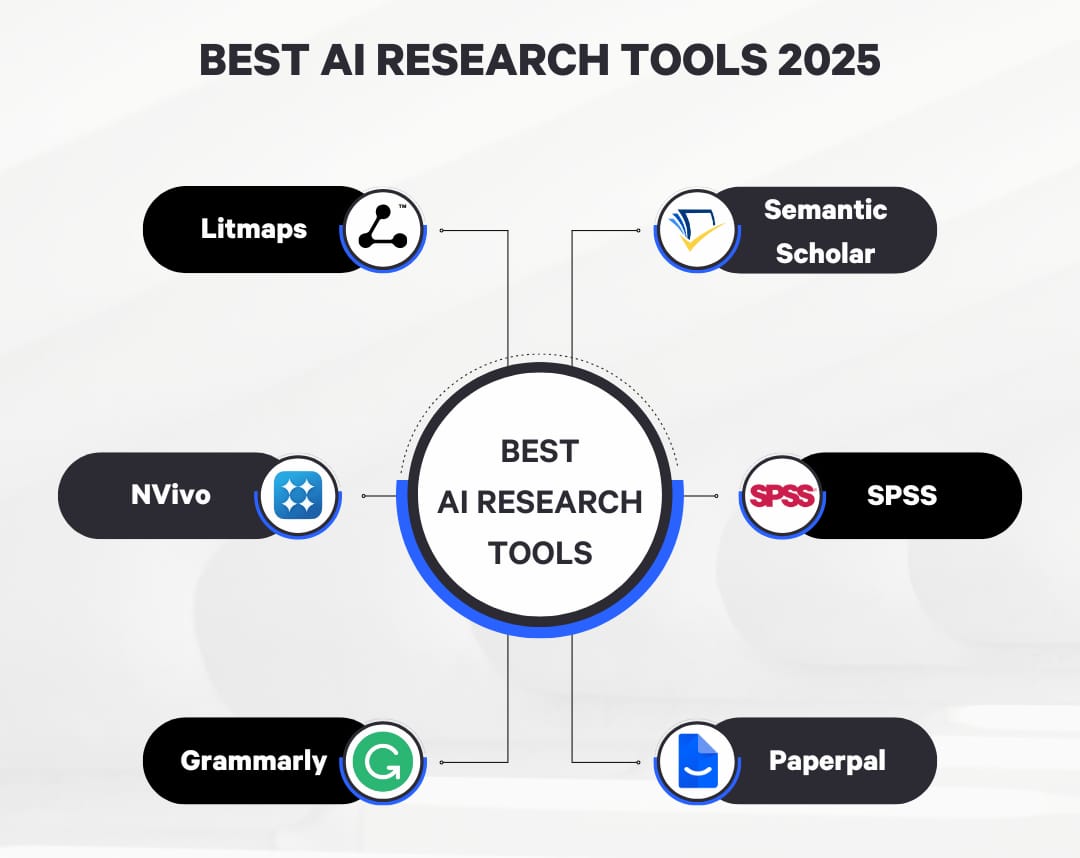
There’s a noticeable shift in how academic work gets done now. Not louder, not dramatic, just smoother in a way that sneaks up on you. Students don’t sit stuck for hours like before. They move. Draft, edit, adjust, done… then onto the next task.
AI-driven writing solutions sit quietly inside this flow. Fixing grammar here, reshaping a sentence there, sometimes offering a full paragraph when ideas run dry. It doesn’t feel like a big deal while using it. Later, you realize how much time slipped back into your day.
Still, speed isn’t everything. The real question sits underneath all this convenience. Are students actually working smarter, or just finishing faster?
Building Cleaner Academic Structures with MLA Format
Structure used to slow everything down. You’d finish writing, then spend another chunk of time fixing formatting. Citations out of place, margins off, headings inconsistent. It felt like I was busy with work more than learning.
AI tools that support MLA Format cut through that stage quickly. Students run their drafts, and the document starts looking organized within seconds. References align, layout tightens, and everything feels more complete.
But something subtle happens alongside that.
Students begin to recognize patterns. Where sources should appear, how sections connect, and how formatting shapes readability. Not because they studied rules deeply, but because they’ve seen corrections happen again and again.
Some take that in. Others just click and move on.
That gap matters more than people think.
Drafting Becomes Faster, but Not Always Better
AI writing tools make drafting easy. You type a prompt, get a response, tweak it, and move forward. No long pauses, no staring at blank screens for ages.
It keeps momentum alive, which helps a lot.
But speed can hide weak thinking. If students accept suggestions without questioning them, the writing looks fine on the surface but lacks depth underneath. Ideas feel thin, even if sentences sound polished.
We think the real benefit comes when students treat AI as a starting point, not the final answer. Write something rough, compare it, adjust it. That process builds skill over time.
Skip that, and progress stalls.
Editing Turns Into a Stronger Skill
Here’s something interesting. Students using AI regularly tend to get better at editing.
They start noticing awkward phrasing quicker. Repetition stands out. Tone mismatches become obvious. It’s like their brain picks up patterns from constant exposure to corrections.
Some even test different versions of the same paragraph. Choosing what feels natural, ignoring what doesn’t.
That decision-making builds judgment.
According to our analysts, this is where efficiency meets actual learning. Not in generating text, but in refining it.
Research Gets Streamlined
Research used to feel heavy. Too many tabs, too much reading, not enough clarity. You’d lose track of your own question halfway through.
AI tools simplify that early stage. You ask something, get a summarized response, then build from there. It reduces the chaos just enough to keep you moving.
Still, shortcuts come with risks.
Students who rely only on summaries miss deeper context. They don’t see conflicting ideas, detailed explanations, or gaps in information. That weakens understanding.
So now, research splits into two habits. Quick scanning or deeper digging.
AI doesn’t decide which one happens. The student does.
Time Management Feels Less Stressful
Deadlines still exist. Pressure hasn’t disappeared. But it feels more controlled now.
AI planners and writing assistants help break tasks into smaller steps. Draft today, edit tomorrow, finalize later. That structure reduces last-minute panic.
Students who struggled with procrastination now have a bit more direction. Not perfect discipline, just small nudges that keep things moving.
And those small nudges add up.
Less time wasted deciding what to do next means more time actually doing it.
Where Efficiency Starts to Backfire
There’s a point where efficiency turns into over-reliance.
Students begin to trust the tool more than their own thinking. They accept suggestions automatically, stop questioning outputs, and lose touch with their own writing style.
That’s where problems show up.
In situations without AI, like exams or in-class tasks, the difference becomes obvious. Writing feels slower, less confident, and more uncertain.
Balance isn’t optional here. It’s necessary.
Use the tool, but stay involved. That’s the only way skills keep growing.
Creative Freedom and Book Writing Beyond Coursework
As academic tasks take less time, something unexpected opens up. Space. Not a lot, but enough to explore ideas outside assignments.
Some students start experimenting with book writing. Short stories, rough drafts, random concepts that have nothing to do with grades. Just curiosity driving it.
AI helps shape those ideas when they get stuck. Suggests structure, offers direction, and sometimes even challenges their thinking.
But the voice stays personal, at least when students stay engaged.
That shift matters.
Writing stops feeling like a task you have to finish. It starts feeling like something you might actually want to do.
And that changes everything.
So… What’s Really Improving?
Efficiency in academic workflows isn’t just about speed. It’s about reducing friction without losing control.
AI-driven writing solutions make starting easier, editing clearer, and structuring faster. That alone creates better flow in daily work.
But improvement depends on how students respond to that ease.
Some push further, question more, and refine their thinking. Others settle for quick results.
Both paths exist at the same time.
The tools don’t decide the outcome.
The student does.