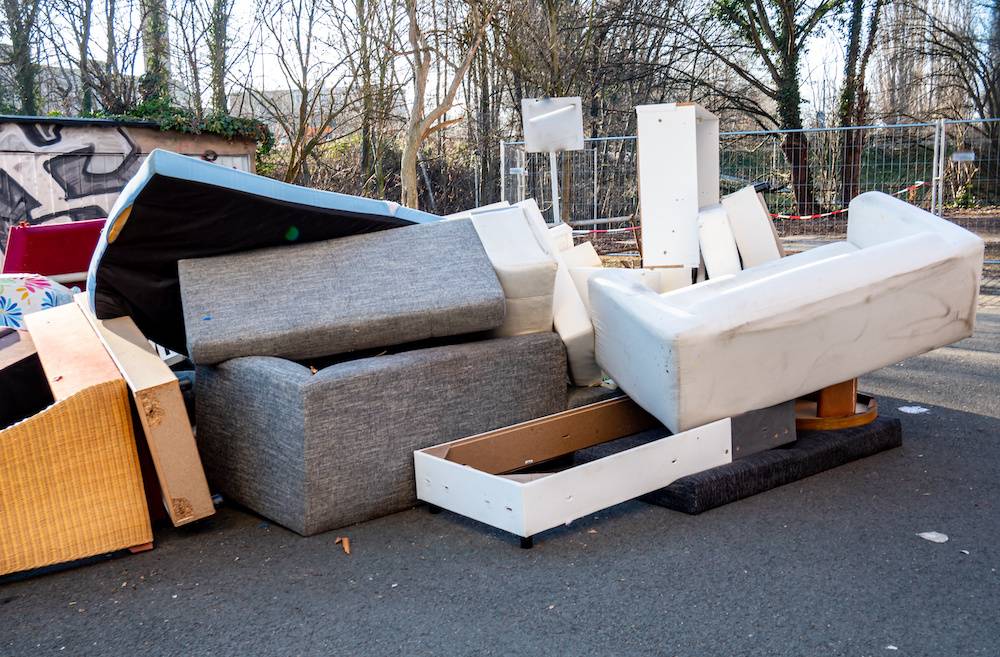
Clearing out bulky furniture can feel overwhelming, especially in a busy city where space is limited, access can be tricky, and every flat or house is different. Whether you’re moving home, refreshing your interiors, decluttering for more space, or preparing a property for new occupants, deciding how to responsibly dispose of large, unwanted furniture is a common challenge.
From worn sofas and heavy wardrobes to oversized cabinets and old office desks, getting rid of these items involves more than just lifting them out of a room. You need to think about safety, access, reuse potential, and environmental responsibility.
This guide will walk you through practical, easy-to-follow options for clearing bulky furniture and waste from your home, helping you make smart decisions that fit your situation.
Start With an Honest Assessment
Before doing anything else, take a moment to look at what you want to remove:
- What condition is the furniture in?
- Could it be repaired, refurbished, or reused?
- Is it made from recyclable materials like metal, wood, or textiles?
- Will it fit through your door or down staircases without dismantling?
Knowing these answers helps you choose the right removal method and avoids last-minute frustrations on collection day.
Donate When You Can
If items are still in good condition, donation should be your first thought. Many local charities, community groups, and social enterprises accept furniture such as:
- Sofas and armchairs
- Dining tables and chairs
- Bed frames and mattresses (if compliant with safety standards)
- Cupboards and shelving
Donations keep good furniture in use, support people in need, and keep waste out of landfill. Some organisations also offer collection services if you’re unable to transport the pieces yourself.
Just be sure to check what they accept, many will only take items that are clean, serviceable, and safe.
Sell or Give Away Online
Digital platforms make it easy to connect with people who may want your furniture. Listing items online with clear photos, accurate measurements, and honest descriptions helps you find a new home for them.
In an active city, well-priced or free furniture is often claimed quickly. Just be careful when arranging collections, meet in daylight hours and share precise instructions so there’s no confusion.
This option works best when:
- Items are still functional
- You’re not in a rush
- You’re happy to manage pickup arrangements
Understand Council Collection Services
Most local councils provide bulky waste collection, usually through a booking system. They will collect large furniture and other household items directly from your property on a scheduled day.
There can be limits to the number of items collected at once, and certain types of waste (like hazardous materials) might not be accepted. Make sure you check the guidelines and place items exactly where instructed on collection day.
Council services are great when:
- You have a few large items that aren’t easily reusable
- You prefer a regulated, formal process
- You don’t have access to transport
Just remember, leaving furniture out without a confirmed booking can be treated as unauthorised dumping.
Consider Professional Removal Support
Sometimes donation, selling, or council services aren’t the best fit, especially when you’re dealing with a lot of furniture, broken or unusable pieces, or complex access issues like tight hallways and staircases.
In those cases, hiring a professional team for rubbish and furniture clearance makes the process smooth and stress-free. Experienced teams handle everything from heavy lifting and narrow-space manoeuvring to responsible recycling and disposal.
Whether you need help with a full flat clearance after a move, clearing out an attic or basement, or managing larger items in commercial spaces, professional support takes the physical and logistical burden off your shoulders.
And if your clearance includes office furniture, desks, filing cabinets and other workplace items, specialist providers offer dedicated furniture disposal London support suited to businesses as well as homes.
Recycle Where Possible
Recycling should always be part of your disposal plan. Many bulky items contain materials that can be reused or repurposed:
- Solid wood and metal can be recycled
- Fabric and textiles may be used for other products
- Glass and plastic components can be sorted and processed separately
If you’re dismantling furniture yourself, try to separate different materials. This makes recycling more efficient and reduces the amount sent to landfill.
Many household recycling centres across the city accept furniture and offer drop-off options. Some require proof of residence or an appointment, so it’s worth checking ahead.
Focus on Safe Handling
Safety matters when moving bulky items. Heavy or awkward furniture can easily lead to injury or damage if not handled correctly.
Before removing anything:
- Empty drawers and storage
- Remove loose or detachable parts
- Protect floors and walls with blankets or pads
- Use proper lifting techniques or equipment
- Ask for help when needed
If you’re working in a building with lifts or communal hallways, check access rules. Some blocks require service lift bookings or specific moving hours.
Avoid Fly-Tipping
Leaving furniture on a pavement or beside bins without permission is considered illegal dumping. This harms local neighbourhoods, creates hazards, and can result in fines.
Always arrange removal through approved services or clearances, even if that means waiting for your scheduled collection.
Think Ahead With Furniture Choices
Future proof your space by choosing furniture that is easier to move and dispose of:
- Modular, flat-pack designs that can be taken apart
- Adjustable pieces that adapt to changing needs
- Durable materials that last longer
- Options from sellers with take-back or recycling schemes
This kind of planning reduces stress when it’s time to move or update your space.
Action Plan: Clear Your Bulky Furniture
Here’s a simple process to follow:
- Review what you have and measure its size
- Decide whether it can be donated, sold, recycled, or removed
- Book the appropriate collection or support
- Prepare items safely for removal
- Confirm responsible disposal
Breaking it down removes guesswork and makes the whole process easier.
Conclusion
Getting rid of bulky furniture doesn’t have to drain your time or energy. By evaluating your options, planning ahead, and involving the right support when needed, you can clear space responsibly and with confidence.
From donation and recycling to scheduled collections and professional teams, there’s a solution that fits every situation, helping you declutter without stress and with minimal impact on the environment.
Frequently Asked Questions
1. What should I do with bulky furniture I no longer want?
Start by determining if it’s reusable. If it’s in good condition, consider donating or selling it. For items that are broken or unsuitable for reuse, book a council collection or use professional clearance support.
2. Does council bulky waste collection take all types of furniture?
Most councils collect common household items like sofas, tables, and beds, but there are limits and exclusions. Always check specific rules before your scheduled collection.
3. Is professional furniture removal worth it?
For large items, difficult access, or when you have many pieces to clear, professional removal makes the entire process quicker, safer, and more organised.
4. Can I recycle furniture instead of throwing it away?
Yes, many components can be recycled, especially wood, metal, and textiles. If you’re able to dismantle items yourself, separate materials first to make recycling more efficient.