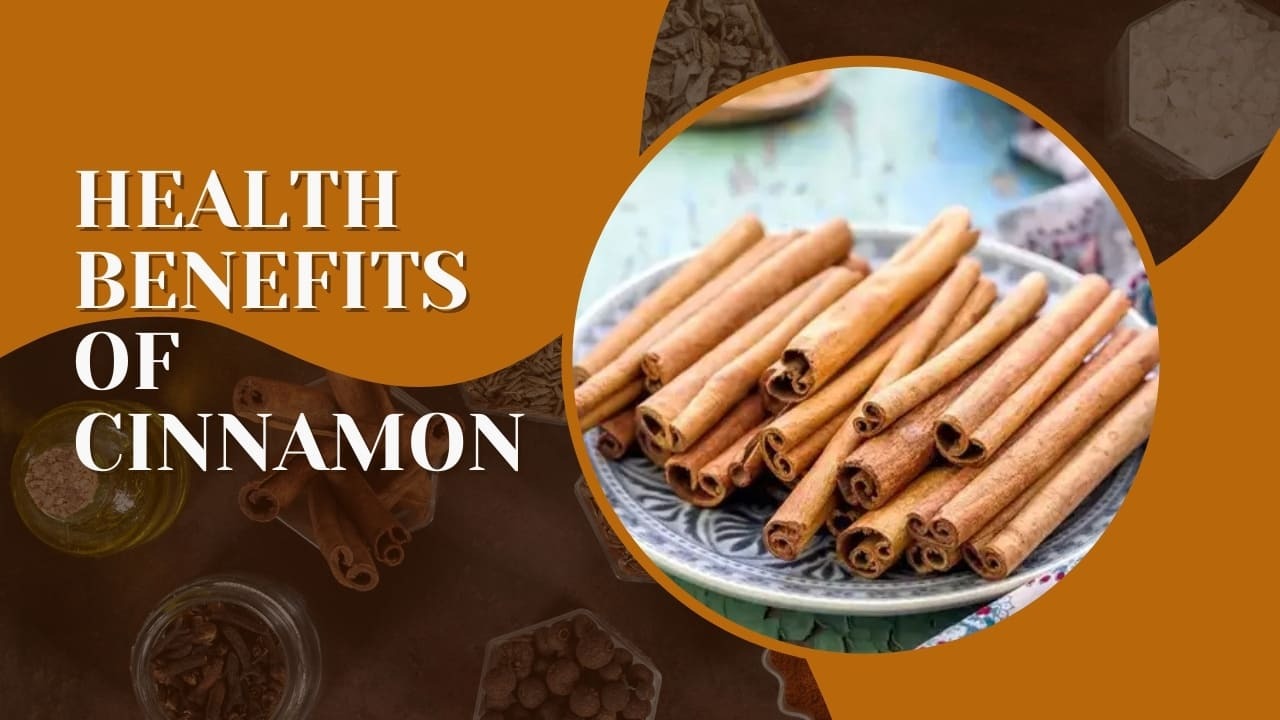
One of the world’s oldest and most popular spices is cinnamon. This fragrant spice, which comes from the inner bark of plants of the genus Cinnamomum, has been prized for generations for both its flavor and its therapeutic qualities. The health advantages and possible hazards of cinnamon are still being investigated by contemporary science.
Also Read: Standardized Botanical Extracts
In order to assist you understand how to utilize cinnamon safely and successfully, we will go into great detail on its nutritional profile, health benefits, and potential drawbacks.
Nutritional Profile of Cinnamon
Cinnamon is rich in bioactive compounds and antioxidants. It contains:
- The primary active ingredient that gives it flavor and health benefits is cinnamaldehyde.
- Polyphenols are potent antioxidants.
- Fiber
- Trace amounts of calcium, iron, and manganese
Because of its rich constituents, cinnamon has a powerful nutritional impact even when ingested in little amounts.
Also Read: Supercritical Fluid (SCF) Extracts
Health Benefits of Cinnamon
1. Powerful Antioxidant Properties
Antioxidants found in abundance in cinnamon aid the body’s fight against oxidative stress. These antioxidants shield cells from harm brought on by free radicals, which are connected to chronic illnesses and aging.
According to studies, cinnamon is one of the most antioxidant-rich foods, sometimes surpassing even “superfoods” like oregano and garlic.
2. Anti-Inflammatory Effects
Numerous illnesses, such as diabetes and heart disease, are significantly influenced by chronic inflammation. Compounds found in cinnamon may help minimize the likelihood of long-term health problems by reducing inflammation.
3. Helps Regulate Blood Sugar Levels
One of the most well-known benefits of cinnamon is its ability to support blood sugar control.
- Improves insulin sensitivity
- Slows down the breakdown of carbohydrates in the digestive tract
- Reduces spikes in blood sugar levels after meals
For those who have Type 2 diabetes or are at risk, cinnamon is very advantageous.
4. Supports Heart Health
Cinnamon may contribute to improved cardiovascular health by:
- Lowering bad LDL cholesterol
- Reducing triglyceride levels
- Maintaining good HDL cholesterol
Together with a healthy lifestyle, these benefits lower the risk of heart disease.
5. Antimicrobial and Antifungal Properties
Cinnamon has natural antimicrobial properties that can help fight:
- Bacteria
- Fungi
- Certain viruses
Because of its capacity to prevent bacterial development, it has also been employed historically as a food preservative.
6. May Improve Brain Function
Emerging research suggests that cinnamon may have neuroprotective properties. It may help:
- Improve memory and cognitive function
- Protect against neurodegenerative diseases like Alzheimer’s and Parkinson’s
While more studies are needed, the initial findings are promising.
7. Aids Digestion
Cinnamon has long been used in traditional medicine to support digestion. It may help:
- Reduce bloating and gas
- Improve gut motility
- Stimulate digestive enzymes
8. Potential Anti-Cancer Properties
According to some lab research, cinnamon may help stop cancer cells from growing and lessen the development of tumors. Further human research is necessary, though, as these findings are still in their early phases.
Side Effects and Risks of Cinnamon
Although cinnamon has many health advantages, too much of it might have negative effects.
1. High Coumarin Content (Especially in Cassia Cinnamon)
There are two main types of cinnamon:
- Ceylon cinnamon (true cinnamon) – safer, low in coumarin
- Cassia cinnamon – more common, higher in coumarin
Coumarin, when consumed in large amounts, can cause:
- Liver damage
- Increased risk of toxicity
👉 It is recommended to limit daily intake, especially if consuming Cassia cinnamon regularly.
2. Risk of Allergic Reactions
Some individuals may experience allergic reactions such as:
- Mouth irritation
- Skin rashes
- Swelling
This is often due to cinnamaldehyde sensitivity.
3. May Lower Blood Sugar Too Much
Although cinnamon aids in blood sugar regulation, excessive consumption might result in hypoglycemia (low blood sugar levels), particularly when taken with diabetes medication.
4. Breathing Issues (Cinnamon Challenge Risk)
Inhaling cinnamon powder can irritate the lungs and cause:
- Coughing
- Difficulty breathing
- Lung inflammation
This is particularly risky for children and should be avoided.
5. Drug Interactions
Cinnamon may interact with certain medications, including:
- Blood thinners
- Diabetes medications
- Liver-related drugs
Always consult a healthcare professional if you are on medication.
Recommended Dosage
There is no official daily recommended dose, but general guidelines suggest:
- 1–2 grams per day (about ½ to 1 teaspoon) is considered safe for most people
- Prefer Ceylon cinnamon for regular consumption due to lower coumarin levels
How to Include Cinnamon in Your Diet
Adding cinnamon to your daily routine is easy and delicious:
- Sprinkle on oatmeal or cereals
- Add to tea or coffee
- Use in smoothies
- Incorporate into baked goods
- Mix with honey for a natural remedy
Final Thoughts
More than just a tasty spice, cinnamon is a potent natural substance with numerous health advantages. Cinnamon can be a beneficial addition to a well-balanced diet, helping with blood sugar regulation, heart health, and inflammation.
But moderation is essential. Unwanted side effects can result from overconsumption, particularly with Cassia cinnamon. You can safely reap the benefits of Ceylon cinnamon by selecting premium varieties and adhering to prescribed dosages.