Introduction to Germinatoire
The term germinatoire is gaining attention among gardeners, horticulturists, and sustainable agriculture enthusiasts. While it may sound unfamiliar to English speakers, germinatoire has clear roots in botanical science and controlled plant cultivation. As interest in home gardening, seed starting, and food self-sufficiency grows, so does curiosity around specialized tools and environments designed for optimal germination.
This complete guide explores the meaning of germinatoire, its origins, practical uses, benefits in modern cultivation, and why it is becoming increasingly relevant in both professional agriculture and home gardening setups. Whether you are a beginner gardener or an experienced grower, understanding the concept of a germinatoire can significantly improve seed-starting success rates.
What Does Germinatoire Mean?
The word germinatoire comes from French, where it refers to a place or device used for germination. In simple terms, a germinatoire is a controlled environment specifically designed to help seeds sprout under optimal conditions.
In English horticulture, similar concepts include seed germination chambers, propagation trays, or germination cabinets. However, germinatoire often implies a more structured, temperature-controlled, and humidity-managed system. It is not just a tray of soil — it is a carefully managed environment that supports the earliest stage of plant life.
The Science Behind Germination
To understand the importance of a germinatoire, it helps to revisit the science of germination. Germination begins when a seed absorbs water, triggering metabolic processes that activate growth. For successful germination, seeds typically require:
- Adequate moisture
- Proper temperature
- Oxygen
- Sometimes light (depending on species)
If any of these conditions are inconsistent, germination rates can drop dramatically. A germinatoire provides a stable microclimate that removes environmental variability, increasing the likelihood that seeds will sprout evenly and successfully.
Why Germinatoire Systems Matter in Modern Cultivation
Modern cultivation increasingly relies on precision. Whether in commercial agriculture or small-scale urban gardening, growers aim to maximize efficiency and reduce waste. Failed germination means wasted seeds, time, and resources.
A germinatoire helps standardize early plant development. By maintaining consistent warmth and humidity, it eliminates the guesswork often associated with seed starting. This consistency is especially valuable when working with expensive seeds, rare varieties, or crops that require narrow temperature ranges.
As climate patterns become less predictable, controlled germination environments are becoming more important than ever.
Types of Germinatoire Setups
A germinatoire can range from simple to highly advanced systems. The most common types include:
Basic Indoor Germinatoire
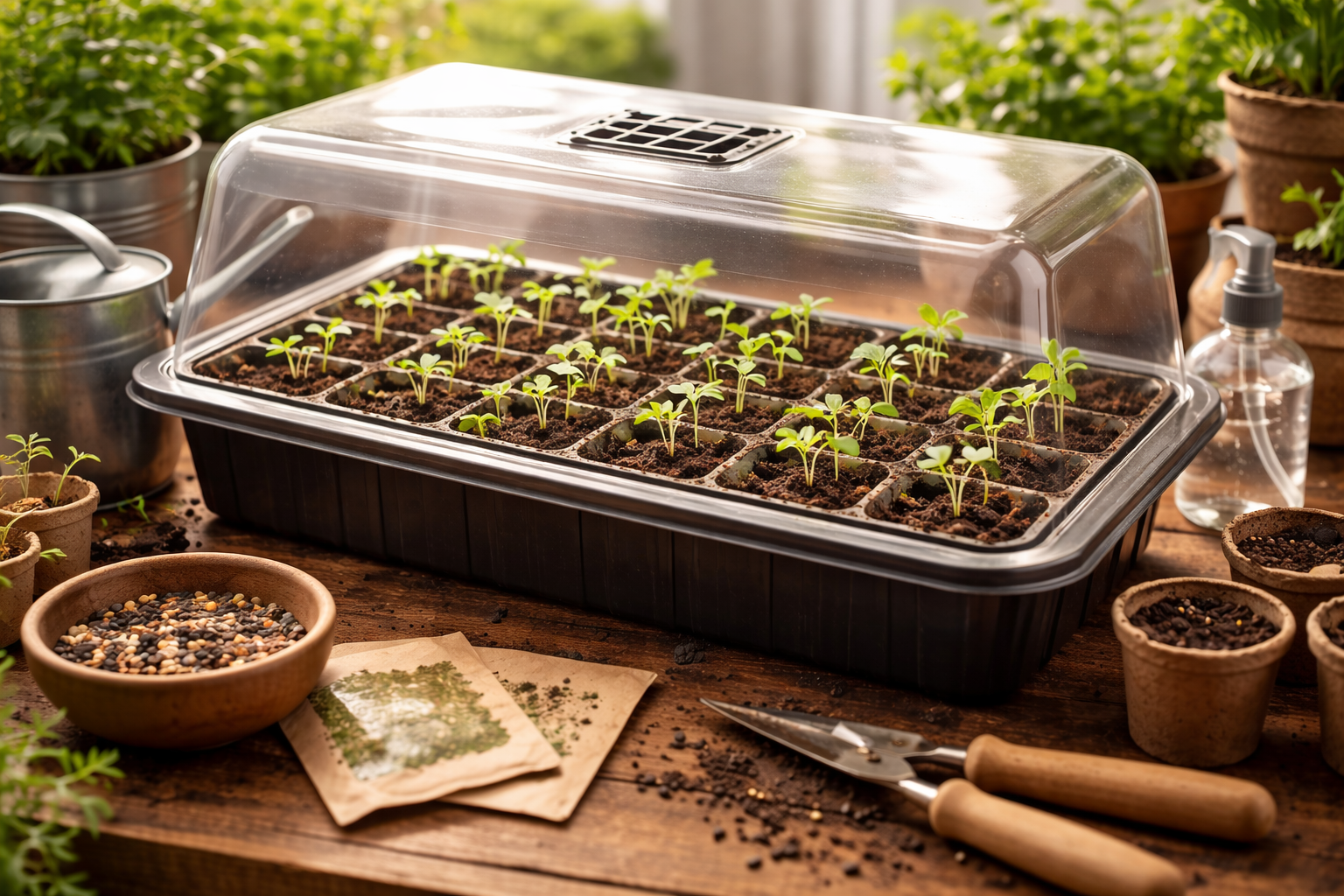
This setup may consist of seed trays placed on a heat mat with a humidity dome. It is affordable and suitable for home gardeners who want better germination control.
Enclosed Germination Cabinet
More advanced germinatoire systems include insulated cabinets with thermostats and humidity controls. These are commonly used in research labs, greenhouses, and professional nurseries.
Automated Germination Chambers
Large-scale agricultural operations may use automated germinatoire chambers equipped with digital monitoring systems. These chambers can regulate temperature, humidity, and airflow precisely, ensuring optimal sprouting conditions for thousands of seeds at once.
Each type serves a specific cultivation need, but all share the same goal: creating a reliable environment for seed germination.
Key Benefits of Using a Germinatoire
The rising popularity of the germinatoire concept is tied to its practical advantages. Some of the main benefits include:
- Higher germination success rates
- Faster sprouting times
- Uniform seedling growth
- Reduced risk of mold or fungal problems
- Improved seedling strength
By minimizing environmental stress during the early stages of growth, seedlings emerge healthier and more resilient. This early strength often translates into better overall plant performance later in the growing cycle.
Germinatoire in Sustainable Agriculture
Sustainability has become a central focus in modern agriculture. Using a germinatoire supports sustainable practices by reducing seed waste and improving resource efficiency.
When seeds germinate successfully on the first attempt, fewer replacements are needed. This reduces packaging, transportation, and production waste. Additionally, controlled environments allow growers to optimize energy use, especially when paired with renewable energy systems.
For urban farmers and small-scale growers working in limited spaces, a germinatoire provides a practical way to maximize productivity without expanding land use.
Germinatoire in Home Gardening
Home gardening has experienced a global surge in popularity. Many gardeners now prefer starting plants from seed rather than purchasing mature seedlings. A germinatoire helps beginners avoid common seed-starting mistakes.
For example, inconsistent indoor temperatures can prevent seeds from sprouting. By using a germinatoire setup with a heat mat and humidity dome, home gardeners create the stable conditions seeds need.
This approach is especially useful for vegetables like tomatoes, peppers, and eggplants, which require warmer temperatures for successful germination.
Temperature and Humidity Control
Temperature plays a crucial role in seed germination. Most vegetable seeds germinate best between 65°F and 75°F (18°C to 24°C), although some tropical plants require warmer conditions.
A germinatoire maintains consistent warmth, preventing fluctuations that can delay sprouting. Humidity control is equally important. Seeds need moisture, but excessive dampness can cause fungal diseases such as damping-off.
By balancing moisture and airflow, a germinatoire ensures the environment remains supportive without becoming overly wet.
Common Mistakes Without a Germinatoire
Without controlled germination conditions, growers often face challenges such as:
- Uneven sprouting
- Mold growth
- Weak, leggy seedlings
- Delayed plant development
These issues can slow the growing process and reduce overall harvest quality. A germinatoire addresses these problems proactively by stabilizing environmental factors from the beginning.
The difference between random seed placement and a structured germinatoire system can be dramatic in terms of success rate.
Germinatoire and Commercial Nurseries
Commercial nurseries frequently rely on germinatoire systems to maintain consistent supply chains. When producing thousands of seedlings, uniform growth is essential.
A germinatoire allows nurseries to stagger planting schedules with predictable results. This precision ensures that plants reach transplant size at the correct time, meeting market demand efficiently.
In large-scale production, even small improvements in germination rates can significantly impact profitability.
The Growing Interest in Germinatoire Systems
The increasing search interest in germinatoire reflects broader trends in controlled environment agriculture (CEA). As technology becomes more accessible, even small-scale growers can implement tools once limited to research facilities.
Smart gardening devices, digital thermostats, and automated misting systems have made it easier than ever to build a functional germinatoire at home. Social media platforms and gardening communities have also played a role in spreading awareness of advanced seed-starting techniques.
This growing interest highlights a shift toward precision and intentional cultivation.
Building a Simple Germinatoire at Home
Creating a basic germinatoire setup does not require expensive equipment. A simple approach may include:
- Seed trays with drainage holes
- A heat mat
- A humidity dome
- A thermometer and hygrometer
- Adequate lighting once seeds sprout
With these components, gardeners can replicate the controlled conditions necessary for reliable germination. Consistent monitoring ensures the environment remains within optimal ranges.
Final Thoughts on Germinatoire
The concept of germinatoire represents a blend of traditional horticultural knowledge and modern cultivation techniques. At its core, it is about giving seeds the best possible start in life.
As gardening and sustainable agriculture continue to evolve, the demand for efficient, controlled germination environments will likely increase. Whether in a professional greenhouse or a home setup, a germinatoire enhances reliability, reduces waste, and supports healthier plant growth.
Understanding and implementing germinatoire principles can transform the way seeds are started, leading to stronger plants and more successful harvests.