Equipment leasing is crucial in assisting businesses to obtain the equipment, tools, and technology they need to run their operations effectively. Since organisations cannot afford to purchase costly equipment, many use equipment financing to pay in manageable installments rather than purchase large, expensive equipment outright. This financial solution enables firms to invest in the necessary assets whilst safeguarding their working capital.
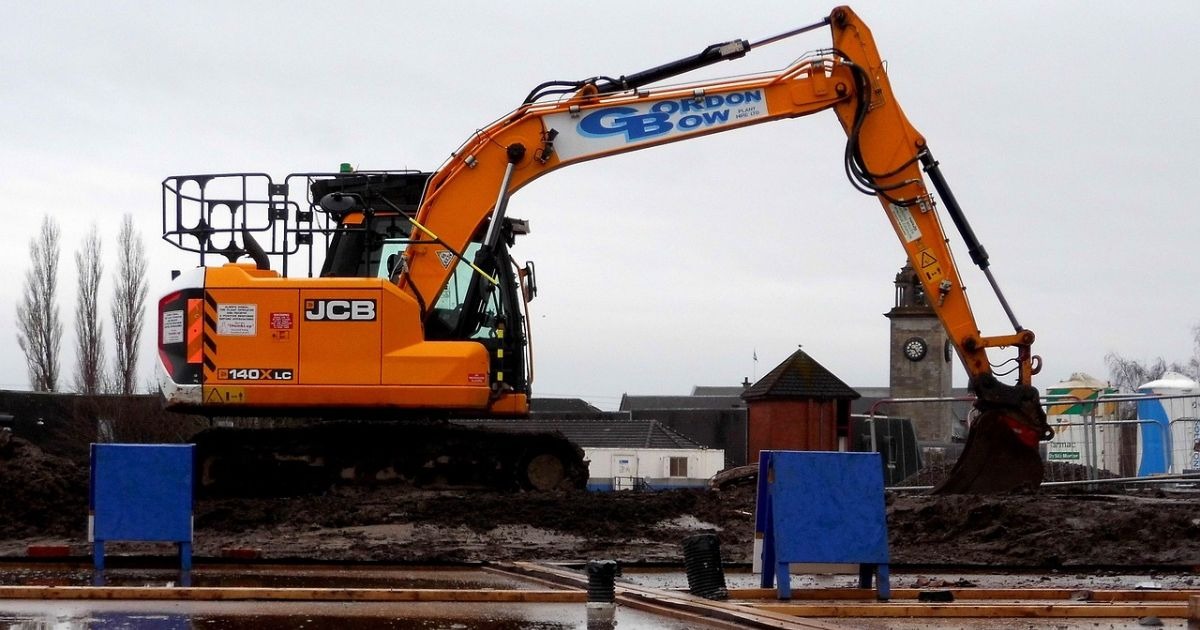
For growing businesses, equipment leasing proves to be a viable way to expand. Construction machinery, manufacturing equipment, medical equipment, or IT infrastructure, whatever the business requires, financing options allow organisations to acquire high-value assets without impacting their financial stability. With equipment financing, businesses can acquire modern equipment more quickly, enhance productivity, and maintain healthy cash flow.
What Is Equipment Financing?
Equipment financing is a type of business financing in which a company may purchase, lease, or upgrade equipment over time through systematic repayments, rather than paying the full price. It is widely believed to be a form of asset finance used by businesses that need costly machinery or technology to perform their work efficiently.
Under a common model, a finance firm will fund the equipment on the business’s behalf. The firm then refinances the sum in monthly installments, which are always fixed over a specified duration. In accordance with the agreement, the business can either own the equipment after the term ends or lease it.
This will help businesses invest in the necessary equipment without incurring heavy capital costs.
Why Businesses Use Equipment Financing
Equipment financing is being used by businesses across sectors because acquiring equipment can be very expensive. There are numerous machines and specialised equipment that would cost us thousands, or even millions, of pounds.
Equipment financing assists companies:
- Spread the cost of expensive assets
- Sustain working cash flow.
- Get access to up-to-date equipment.
- Enhance productivity and efficiency.
Businesses are in a position to invest the money in other functional areas, such as remuneration, inventory, and staff marketing, rather than in equipment purchases.
Types of Equipment Financing Options
Equipment financing structures are not limited, as businesses can choose a structure that suits their financial objectives.
Hire Purchase
Hire purchase enables companies to pay for equipment in monthly payments. After all payments have been made, the company acquires legal title to the asset.
Finance Lease
Under a finance lease, the finance company owns the equipment, and the business pays to use it over a specified period. Companies can renew the lease or invest in modern equipment at the expiry of the agreement.
Operating Lease
Operation leases provide temporary use of equipment without any long-term commitment to ownership. This alternative is appropriate for those businesses that upgrade equipment regularly.
Equipment Loans
Certain lenders issue equipment loans in the form of which the equipment serves as collateral. Once the loan is repaid, the business owns the asset.
Such options in the form of flexibility enable companies to choose a structure that suits their financial model and operational needs.
Key Benefits of Equipment Financing
Financing equipment offers a number of benefits to businesses that need to grow without jeopardising their finances.
Better Management of Cash
The main advantages include maintaining working capital. It allows businesses to save significant amounts of money that would otherwise be spent up front and to make predictable monthly payments.
Availability of High Technology
Funding enables firms to purchase new equipment to enhance efficiency and productivity. Keeping abreast with current technology will keep the businesses competitive.
Flexible Repayment Terms
A large number of financing agreements have repayment terms ranging from 1 to 7 years, depending on the value of the equipment and business needs.
Potential Tax Advantages
In certain scenarios, lease payments or interest can be classified as business expenses, which would save on taxes.
How Equipment Financing Supports Business Growth
Leasing equipment helps a business expand its operations more effectively. Instead of waiting to expand once funds have been raised, companies can get equipment as soon as they need it and start making money.
For example:
- Manufacturers can update production equipment to increase output.
- Larger projects can be completed with heavy machinery by the construction companies.
- Medical practitioners can install modern diagnostic devices.
- Farming industries have the option to invest in new farming technology.
This elasticity enables businesses to stay competitive and adapt to market needs.
How to Apply for Equipment Financing
The process of applying for equipment financing is normally straightforward.
Step 1: Identify the Equipment
Companies decide on the equipment needed and receive cost estimates from suppliers.
Step 2: Select a Financial Provider
Business firms evaluate the financing options offered by lenders or brokers that specialise in business financing.
Step 3: Submit an Application
Applicants give financial, business, and equipment specifications.
Step 4: Approval and Funding
The lender then makes a direct payment upon approval, enabling the business to commence use of the equipment.
In most instances, it might take a couple of days to approve the application, depending on its complexity.
Choosing the Right Equipment Financing Provider
It is important to choose an effective finance partner in order to obtain favourable terms. There are a number of factors to consider before businesses make a decision.
Important aspects include:
- Repayment terms and interest rates.
- Malleability of the finance deal.
- Experience in the industry
- Quickness in approval and finances.
- Advice and customer care.
Specialist finance brokers, such as H2H Business Finance, usually work with a range of lenders to find tailored solutions for businesses that require machinery or equipment financing.
Conclusion
Financing for equipment has emerged as an important source of funding for businesses that depend on machinery, technology, and specialised equipment. The cost of equipment can be spread over a period, enabling organisations to invest in necessary equipment while maintaining working capital.
Since manufacturing plants and construction sites are not the only places where equipment financing is used, the equipment financing business services numerous industries. It offers a viable path for companies seeking to expand their operations and enhance productivity by providing flexible repayment plans, potential tax benefits, and access to the latest technology.
In the current market, equipment leasing is a reliable way to ensure that the equipment needed to sustain business growth is acquired.