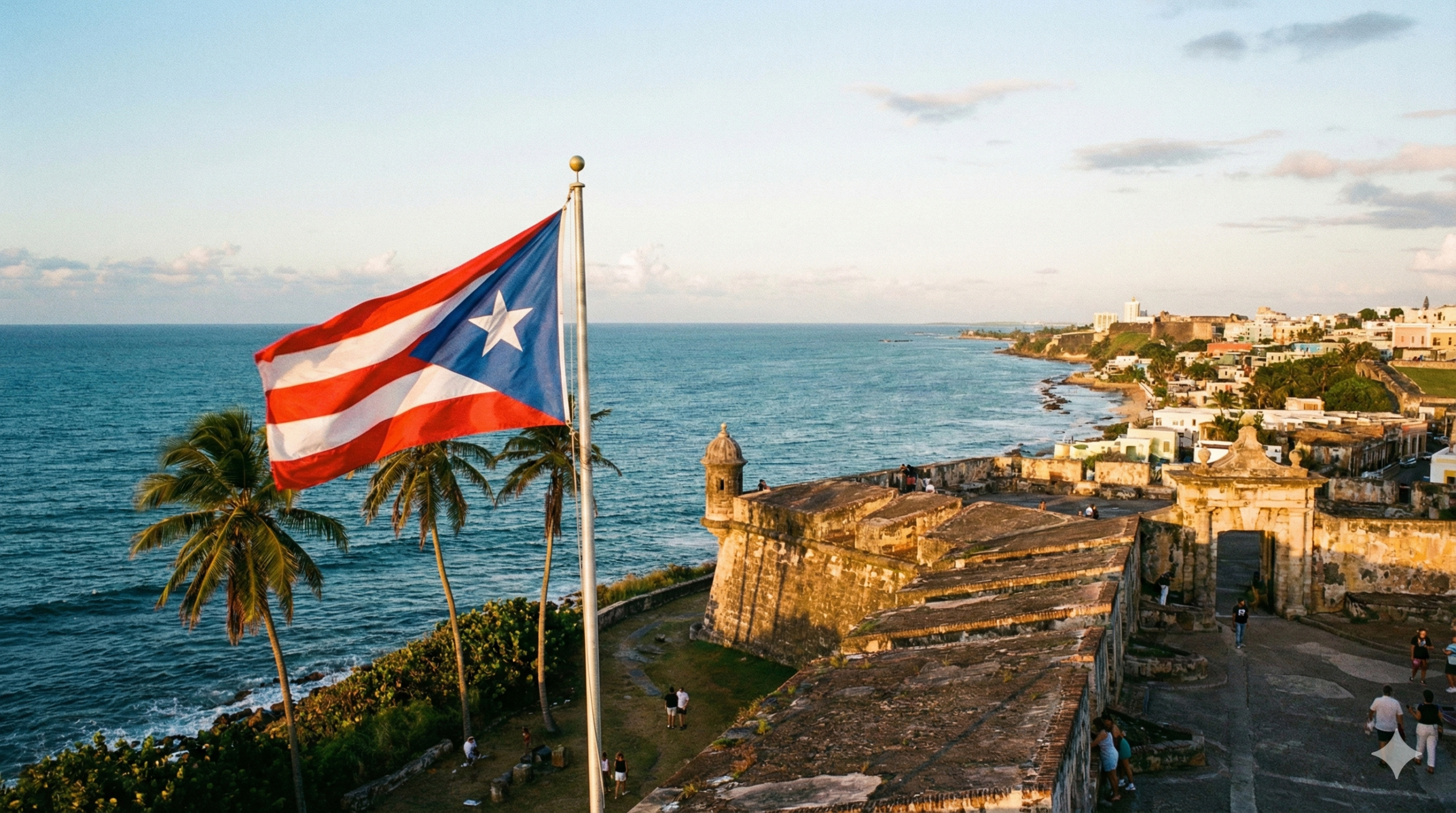
The Puerto Rico flag is one of the most recognizable and emotionally significant symbols in the Caribbean. With its bold stripes, striking colors, and deep-rooted symbolism, the flag represents far more than just the island’s identity—it embodies the pride, resilience, and cultural history of the Puerto Rican people. Whether you see it flying on balconies in San Juan, painted on murals, or showcased in celebrations around the world, the Puerto Rico flag stands as a powerful reminder of the island’s heritage and ongoing story. This article explores the meaning, symbolism, and fascinating history of the Puerto Rico flag, shedding light on why it continues to hold such a strong place in the hearts of Boricuas everywhere.
The Origins of the Puerto Rico Flag
The Puerto Rico flag was officially adopted on 25 July 1952, but its history dates back to the late 19th century during the push for independence from Spain. In 1895, Puerto Rican revolutionaries meeting in New York City designed the flag as a symbol of unity, hope, and resistance. This group, which included members of the Puerto Rican section of the Cuban Revolutionary Party, intentionally mirrored the Cuban flag to express solidarity between the two islands’ struggles for freedom.
The original design featured a light blue triangle and red stripes, but the exact shade of blue has changed over time, influenced by political and artistic factors. Despite debates over color variations, the flag’s core symbolism and emotional meaning have remained constant.
Influence of the Cuban Flag
One of the most interesting aspects of the Puerto Rico flag is its direct connection to the Cuban flag. The creators intentionally inverted the Cuban design to reflect unity in the fight for independence. At the same time, they wanted the new Puerto Rican flag to stand uniquely apart.
This connection wasn’t just symbolic. Both islands shared cultural, social, and political ties during their struggles for liberation. The mirrored design reflects a brotherhood between the two Caribbean nations, symbolizing the intertwined destinies of their peoples during a pivotal moment in history.
What the Stars, Stripes, and Colors Represent
Every component of the Puerto Rico flag carries deep symbolism. Far from being a simple design, each color and geometric element reflects aspects of the island’s values, culture, and political story.
- Red Stripes – These stand for the blood shed by brave warriors and revolutionaries throughout the island’s history. They also honor the strength and determination of the Puerto Rican people.
- White Stripes – Represent the ideals of peace and victory, as well as the rights and freedoms Puerto Ricans strive to uphold.
- Blue Triangle – Symbolizes the government and the principles upon which it is built. Depending on the historical era, the blue has been interpreted as varying from light blue (symbolizing the sea and sky) to navy blue (reflecting the influence of the United States).
- White Star – Represents the island of Puerto Rico itself, standing proud and sovereign within the triangle of governance.
Together, these elements create a powerful symbol that blends political legacy, cultural pride, and national identity.
Color Controversy: Light Blue or Dark Blue?
Few flags spark as much conversation about color as the Puerto Rico flag. Historically, the original version used a light blue similar to the Cuban flag. However, after Puerto Rico became a territory of the United States in 1898, the flag underwent stylistic shifts, and artists began using darker shades of blue to resemble the U.S. flag.
Because the flag was not legally standardized until 1952, different shades of blue continued to circulate. Some view light blue as a symbol of Puerto Rico’s independence movement. In contrast, dark blue is often seen as representing the island’s formal political status. Today, both versions appear across Puerto Rican communities, each carrying emotional and cultural significance in different contexts.
The Flag and Puerto Rican Identity
To Puerto Ricans, the flag isn’t just a symbol—it’s a piece of their identity. The Puerto Rico flag is a common sight at festivals, protests, parades, and family gatherings. It represents unity among Puerto Ricans on the island and throughout the diaspora, creating a shared sense of belonging wherever it is displayed.
For many, the flag also reflects resilience. Puerto Rico has faced political struggles, natural disasters, and economic challenges, and yet the spirit of its people remains strong. The flag is a reminder of Puerto Ricans’ resilience and the pride they carry in their culture, traditions, and heritage.
The Grito de Lares and Independence Movements
While the modern flag came later, Puerto Rico’s revolutionary spirit dates back to earlier events such as the Grito de Lares in 1868. This armed uprising against Spanish rule inspired future generations to fight for greater autonomy and cultural identity. The revolutionary movement helped shape the design of the Puerto Rico flag, which later became a symbol of unity for activists seeking freedom.
Although Puerto Rico did not achieve complete independence, the flag has become a powerful emblem of the island’s journey and the various political visions of its people.
The Flag’s Adoption in 1952
Puerto Rico officially adopted its flag on 25 July 1952, when the island established the Commonwealth of Puerto Rico (Estado Libre Asociado). The date holds symbolic importance and marks the beginning of a new chapter in Puerto Rican governance.
The adoption of the Puerto Rico flag solidified its role as the island’s official emblem. From that moment forward, the flag gained widespread recognition and began appearing on public buildings, schools, government offices, and civic celebrations across the island.
The Flag in Modern Culture
Today, the Puerto Rico flag is one of the most widely recognized cultural symbols in the world. It appears in music videos, artwork, fashion, social media, and large-scale murals in Puerto Rican communities from New York City to Orlando to Chicago. Artists and activists often use the flag to express cultural pride, social unity, and political messages.
After major events like hurricanes and protests, the flag frequently becomes a symbol of solidarity and healing. Its role in modern culture highlights its ability to connect Puerto Ricans across generations and geographical boundaries.
Flag Etiquette and Respect
Like any national or cultural symbol, the Puerto Rico flag is treated with deep respect. Proper etiquette includes keeping the flag clean, avoiding intentional damage, and displaying it in a way that honors its meaning. Many Puerto Rican households proudly hang the flag on their walls, balconies, cars, or personal belongings as a daily reminder of their roots and identity.
During celebrations such as the Puerto Rican Day Parade, thousands of flags wave in unison, reaffirming the emotional bond people have with this iconic emblem.
Why the Puerto Rico Flag Continues to Inspire
The Puerto Rico flag inspires because it tells a story—a story of unity, resistance, culture, and pride. Its colors and symbols reflect the island’s past, present, and aspirations for the future. Whether someone is born on the island or part of the diaspora, the flag is a powerful reminder of shared heritage and connection.
In every corner of the world, Puerto Ricans display their flag as a way of saying, “I am proud of where I come from.” That emotional connection is what makes the Puerto Rico flag not just an icon, but a living symbol of a vibrant and resilient people.
Final Thoughts
The Puerto Rico flag is more than a national emblem—it is a cultural treasure that represents the heart of the island and its people. Its meaning and symbolism stretch far beyond its colors and shapes, telling a story of struggle, solidarity, and pride. From its revolutionary origins to its modern expressions in art and culture, the flag remains a unifying force that bridges generations and communities. Understanding its history and symbolism deepens appreciation for one of the most powerful and beloved icons of Puerto Rican identity.