A few years back, most of us didn’t think much about battery storage unless the lights went out. Today, things have changed. Electricity prices are climbing, power outages seem more frequent, and both homeowners and businesses want better control over how they use and store energy.
This is where batteries come in. Among all the options, two types keep coming up: the stacked lithium battery and the floor-standing battery. They might look similar on paper, but in practice, they behave quite differently.
If you’re scratching your head about which one makes sense for your situation, you’re not alone. Let’s go through the details in a practical way.
Understanding Stacked Lithium Batteries
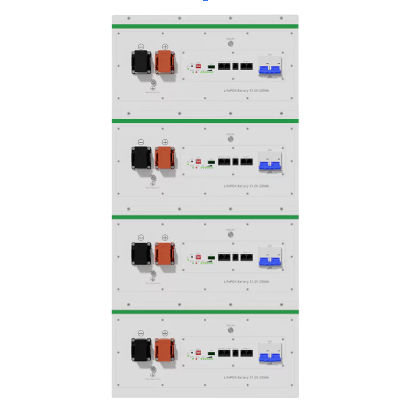
A stacked lithium battery is all about modular flexibility. Instead of buying one big battery upfront, you start with a few modules stacked on top of each other. As your energy needs grow, you just add more modules no need to replace the whole system.
Most of these batteries use lithium-ion or LiFePO4 technology. Why? They’re fairly safe, efficient, and last a long time if you take care of them.
People like stacked batteries because they don’t force you to predict your future energy use perfectly. You can start small and grow the system as needed.
You’ll typically find stacked lithium batteries in:
- Residential solar setups
- Small offices
- Telecom backup sites
- Growing small businesses
What Makes a Floor-Standing Battery Different?
A floor-standing battery is more traditional. It’s a single unit that sits directly on the floor, with everything included cells, controls, safety systems.
Unlike stacked batteries, floor-standing units usually have a fixed capacity. What you buy today is what you’ll get unless you buy another unit later.
These batteries are common in places where space isn’t an issue and large capacity is needed right away. Think factories, data centers, big offices, or industrial setups.
In short: floor-standing batteries are built to handle heavy loads from day one.
Key Differences That Matter
Here’s what actually sets them apart:
Scalability
Stacked batteries win if you plan to expand over time. Floor-standing batteries are buy once solutions good if you need high capacity immediately.
Space Usage
Stacked batteries are compact and vertical, great for homes or tight rooms. Floor-standing batteries need more floor space and aren’t easy to move.
Installation
Stacked systems are lighter and easier to install. Floor-standing batteries may require reinforced floors, especially in older buildings.
Cost
Stacked batteries usually cost less upfront and grow with your needs. Floor-standing batteries are more expensive initially but provide higher capacity in one package.
Why People Often Choose Stacked Lithium Batteries.
For homeowners and small businesses, stacked batteries often make sense.
They let you:
- Start with less investment
- Save space
- Expand capacity gradually
- Reduce long term risk
Another plus: maintenance is easier. Since the system is modular, individual units can be serviced or replaced without shutting down everything.
That’s why stacked batteries are popular for solar-powered homes.
Where Floor-Standing Batteries Shine
Floor-standing batteries still have their place. They’re ideal if:
- You need a lot of power immediately
- Space isn’t an issue
- Reliability is more important than flexibility
Industrial setups, factories, and large commercial spaces benefit from the all-in-one design. Many businesses prefer them because everything comes pre-configured in one enclosure.
Home Use vs Commercial Use
For most homes, a stacked lithium battery is the better option. Homes change over time energy needs grow, solar panels expand, and flexibility matters.
Commercial setups differ. Businesses often know their power requirements in advance. Here, a floor-standing battery delivers capacity immediately without worrying about expansion.
Some modern setups mix both approaches, using multiple stacked batteries to create backup redundancy.
Safety, Maintenance, and Real World Tips
Both battery types are built with safety in mind. Modern Battery Management Systems (BMS) monitor temperature, voltage, and charging to prevent problems.
Stacked batteries are easier to check and maintain. Floor-standing batteries often have stronger protective enclosures, which is helpful in industrial conditions.
Neither type needs much maintenance, but it’s smart to do periodic inspections and software updates.
Cost and Long Term Value
Looking at the long term, stacked batteries often provide better value if your energy needs might change. Floor-standing batteries still make sense when high capacity is needed immediately, but they are less flexible over time.
Your choice really depends on whether your future energy use is predictable or not.
Which One Should You Go For?
Choose a stacked lithium battery if:
- You want flexibility
- Space is tight
- You prefer gradual investment
Choose a floor-standing battery if:
- You need large capacity right away
- Space isn’t a problem
- Your setup is commercial or industrial
Both systems are reliable and efficient. The main difference is how you plan to use and grow your energy storage over time.