Renting a home should provide safety, comfort, and peace of mind. Unfortunately, not all landlords fulfill their legal obligations to maintain their properties. From persistent damp and mould to broken heating systems and structural hazards, negligence can significantly affect a tenant’s quality of life. Understanding tenant rights against negligent landlords is essential for protecting your well-being and ensuring your home meets legal standards. This practical overview explains your rights, your landlord’s responsibilities, and how to pursue housing disrepair claims if necessary.
Understanding Landlord Responsibilities
In most jurisdictions, landlords are legally required to ensure that rental properties are safe, habitable, and in good repair. In the UK, for example, obligations are clearly outlined under the Landlord and Tenant Act 1985 and further reinforced by the Homes (Fitness for Human Habitation) Act 2018. These laws require landlords to maintain the structure and exterior of the property, keep installations for water, gas, electricity, sanitation, heating, and hot water in working order, and ensure the home is fit for human habitation.
Negligent landlords who ignore repair requests or fail to address serious hazards may be in breach of these statutory obligations. Tenants are not expected to live in unsafe or unhealthy conditions, and the law provides clear avenues for redress.
What Counts as Housing Disrepair?
Housing disrepair refers to situations where a landlord has failed to carry out necessary repairs after being notified. Common examples include:
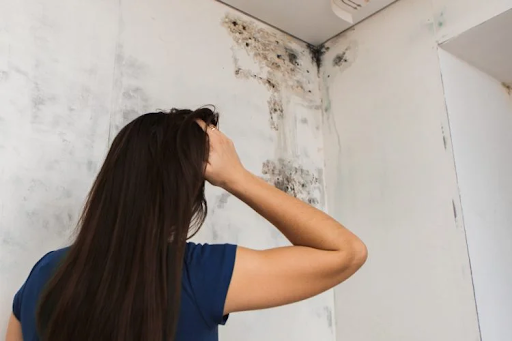
- Persistent damp and mould growth
- Leaking roofs or plumbing issues
- Faulty boilers or lack of heating
- Electrical hazards
- Structural damage (cracks, unstable flooring, unsafe stairs)
- Pest infestations caused by property defects
If the issue is not caused by tenant misuse or neglect, it is generally the landlord’s responsibility. When landlords fail to act within a reasonable timeframe after being informed, tenants may be entitled to pursue housing disrepair claims to seek compensation and force repairs.
The Right to a Safe and Habitable Home
Every tenant has the right to live in a property that is safe and free from serious health hazards. Environmental health standards often assess housing conditions using the Housing Health and Safety Rating System (HHSRS) in the UK. Hazards such as severe damp, fire risks, or carbon monoxide exposure are considered serious breaches.
If a property is deemed unfit for habitation, tenants can take action through local authorities or the courts. In some cases, councils can issue improvement notices requiring landlords to carry out essential repairs within a specified timeframe.
Steps to Take Before Filing a Claim
Before escalating matters legally, tenants should take practical steps to document and report the issue:
- Notify the landlord in writing. Always report repair issues formally and keep copies of emails or letters.
- Allow reasonable time for repairs. Landlords must be given adequate time to respond and fix the issue.
- Gather evidence. Take dated photographs or videos of the damage and maintain records of related expenses or medical issues.
- Seek independent inspections if necessary. A local council inspection report can strengthen your case.
Clear documentation significantly improves the success of housing disrepair claims, as it demonstrates that the landlord was aware of the problem but failed to act.
When Can You Claim Compensation?
Tenants may be entitled to compensation if they have suffered inconvenience, property damage, health problems, or financial loss due to disrepair. Compensation may cover:
- Damage to personal belongings
- Increased utility bills caused by faulty insulation or heating
- Medical expenses linked to damp or mould
- Stress and inconvenience
- Reduced rental value of the property during the period of disrepair
The amount of compensation depends on the severity of the issue and how long it persisted. Courts typically assess how much the rental value was diminished during the affected period.
Protection Against Retaliatory Eviction
Many tenants fear that complaining about poor conditions could lead to eviction. However, legal protections exist to prevent retaliatory eviction in many countries. In England and Wales, if a council serves an improvement notice after inspecting the property, landlords are restricted from issuing certain eviction notices for a period of time.
Understanding these protections empowers tenants to assert their rights without fear of unfair treatment. Landlords cannot lawfully evict tenants simply for requesting necessary repairs.
The Role of Legal Assistance
While some disputes can be resolved through communication or council intervention, others may require legal action. A solicitor specializing in housing law can assess whether you have grounds for housing disrepair claims and guide you through the process.
Legal professionals help by:
- Evaluating evidence
- Arranging independent survey reports
- Negotiating settlements
- Representing tenants in court if needed
Many firms offer “no win, no fee” arrangements, reducing financial risk for tenants seeking justice.
Alternative Dispute Resolution Options
Before going to court, tenants and landlords may attempt mediation or negotiation. Alternative dispute resolution (ADR) can save time and legal costs. In social housing cases, tenants may also use formal complaint procedures provided by housing associations or escalate matters to an ombudsman service.
ADR is often effective when landlords acknowledge responsibility but dispute the extent of compensation. However, if safety risks are urgent, legal action may still be necessary.
Common Challenges in Disrepair Cases
While tenant protections are strong, challenges can arise. Landlords may argue that:
- They were not properly notified of the problem
- The damage was caused by tenant negligence
- Repairs were completed within a reasonable timeframe
This is why detailed evidence and written communication are critical. Tenants must demonstrate that the landlord was informed and failed to take appropriate action.
Additionally, tenants should continue paying rent during disputes unless advised otherwise by a legal professional. Withholding rent without proper legal grounds can weaken your case and lead to eviction proceedings.
Empowering Tenants Through Knowledge
Knowledge is one of the most powerful tools tenants possess. By understanding your rights and responsibilities, you can confidently address negligent behavior. The law is designed to ensure that rental housing meets minimum safety standards, and landlords who fail to comply can be held accountable.
Housing conditions directly affect physical health, mental well-being, and overall quality of life. No tenant should endure unsafe living conditions due to inaction or neglect.
Conclusion
Tenant rights against negligent landlords are firmly rooted in housing law and designed to protect individuals from unsafe and unhealthy living environments. From statutory protections under the Landlord and Tenant Act 1985 and the Homes (Fitness for Human Habitation) Act 2018 to local authority enforcement and court remedies, tenants have clear pathways to seek justice.
If you are experiencing persistent disrepair and your landlord has failed to respond adequately, you may be eligible to pursue housing disrepair claims. Taking prompt action, maintaining proper documentation, and seeking professional advice can make a significant difference in resolving the issue effectively.