Red cell distribution width—better known as RDW—is one of those subtle lab values that many people overlook on their blood test results. Yet this small marker can reveal meaningful clues about your overall health, especially regarding anaemia, nutrient deficiencies, chronic disease, and conditions affecting red blood cell production. Understanding what level of RDW is dangerous can help you have more informed conversations with your healthcare provider and take proactive steps toward better wellness. Let’s break down what RDW really measures, why it matters, and which critical thresholds you should never ignore.
What RDW Measures and Why It Matters
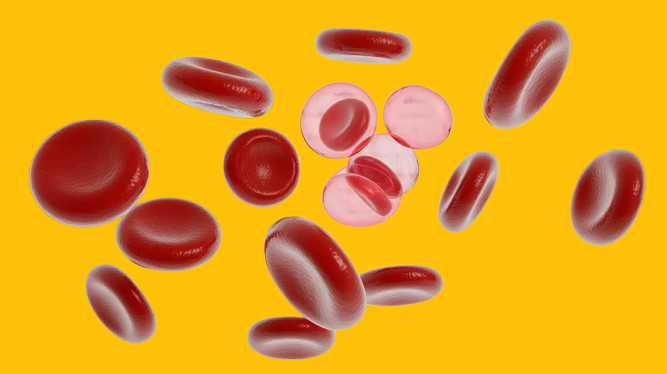
RDW measures the variation in the size of your red blood cells, a property called anisocytosis. When red blood cells vary widely in size, the RDW value increases; when they are mostly uniform, the RDW value remains low or normal. This measurement is included automatically in a standard complete blood count (CBC), so you don’t need to request it separately.
Because red blood cell size reflects how they’re produced, RDW can signal issues such as nutrient deficiencies, bone marrow problems, chronic inflammation, or ongoing blood loss. That makes it a surprisingly powerful diagnostic tool—one that often uncovers issues even before other lab values shift noticeably.
The Normal RDW Range
Most laboratories consider a normal RDW to fall between 11.5% and 14.5%, though specific ranges may vary slightly based on the testing equipment. A value within this window generally indicates that your red blood cells are relatively uniform in size, which is considered healthy.
It’s important to note that RDW doesn’t provide diagnostic information on its own. Instead, it works best when interpreted alongside other markers, such as haemoglobin, MCV (mean corpuscular volume), MCH, and ferritin. Still, a significant deviation in RDW can be a strong early indicator that something in the body requires attention.
When RDW Becomes Concerning
An elevated RDW—typically anything above 15%—suggests that red blood cells vary significantly in size. While a mild elevation may not be dangerous on its own, it can signal imbalances or underlying conditions that deserve evaluation. The danger level increases when RDW rises significantly beyond the upper limit, especially when accompanied by abnormal haemoglobin or MCV levels.
A persistently high RDW is often a sign that the body is trying to produce more red blood cells to compensate for illness, deficiency, or chronic health stress. Because red blood cell abnormalities often develop gradually, RDW changes can appear early and offer a helpful warning sign.
RDW Levels Above 15%: A Potential Red Flag
RDW values between 15% and 18% indicate a noticeable variation in red blood cell size. While not immediately dangerous, this range suggests your body is struggling to maintain healthy blood cell production. Possible causes include iron deficiency anaemia, folate deficiency, vitamin B12 deficiency, or chronic inflammation.
Doctors typically review additional markers to pinpoint the exact cause, especially because different types of anaemia show distinct RDW patterns. For example, iron deficiency often presents with high RDW and low MCV, whereas vitamin B12 deficiency may present with high RDW and a higher MCV.
Even though an RDW of 15% to 18% may not require emergency medical attention, it absolutely warrants further evaluation—especially if you have fatigue, pale skin, weakness, dizziness, or shortness of breath.
RDW Levels Above 18%: A Sign of Advanced Imbalance
An RDW above 18% is much more concerning. At this stage, the variation in red blood cell size is significant enough to suggest a pronounced issue with red blood cell production or turnover. This level of elevation may be associated with:
- Severe nutrient deficiencies
- Advanced anemia
- Chronic liver disease
- Autoimmune disorders
- Bone marrow dysfunction
An RDW this high doesn’t necessarily indicate immediate danger, but it suggests the underlying cause has progressed. Identifying and treating the root issue is critical to preventing complications like worsening anaemia or reduced oxygen delivery throughout the body.
RDW Levels Above 20%: Critical Thresholds You Should Never Ignore
When RDW reaches 20% or higher, the situation becomes more serious. Such a high value typically means the body is producing red blood cells of extremely unequal sizes, often due to severe physiological stress or a long-standing, untreated issue.
Dangerously high RDW levels like this can be associated with:
- Significant blood loss
- Hemolytic anaemia (red blood cells breaking down too quickly)
- Significant nutrient deficiencies that impair cell formation
- Bone marrow disorders
- Chronic diseases that affect blood production
A value this elevated should prompt immediate medical evaluation. While RDW alone cannot diagnose disease, a reading above 20% almost always indicates that something critical is occurring within the body’s hematologic or metabolic processes.
Low RDW: Is It Dangerous?
Interestingly, a low RDW (below 11.5%) is rarely considered dangerous. Uniform red blood cells generally indicate stable production and are not typically associated with medical problems. However, a very low RDW may occasionally be observed in cases of specific chronic diseases or inherited blood disorders.
In most situations, low RDW is not a cause for concern unless other blood markers are abnormal as well.
RDW and Its Link to Cardiovascular Risk
In recent years, research has shown a compelling association between high RDW levels and an increased risk of cardiovascular problems. Elevated RDW has been linked to heart failure, heart disease severity, and even overall mortality risk.
This connection stems from the fact that chronic inflammation, oxidative stress, and nutrient deficiencies can hinder red blood cell production and are also known contributors to heart disease. While RDW does not predict cardiovascular events on its own, a consistently elevated RDW, combined with other risk factors, may signal a need for closer monitoring of heart health.
Common Causes of Elevated RDW Levels
A high RDW does not point to a single cause but can arise from several common health issues. Some of the most well-known contributors include:
- Iron deficiency anaemia
- Vitamin B12 deficiency
- Folate deficiency
- Chronic kidney disease
- Liver disorders
- Inflammatory diseases
- Active or recent blood loss
- Hemolytic anemia
- Bone marrow disorders
Understanding what triggers RDW changes is essential, as correcting the underlying condition usually returns RDW to a normal range.
Symptoms That May Appear with High RDW
While RDW itself does not cause symptoms, the conditions associated with elevated RDW often do. You may notice:
- Persistent fatigue
- Pale or yellowish skin
- Shortness of breath
- Dizziness or fainting
- Heart palpitations
- Cold hands and feet
These symptoms suggest that the red blood cells aren’t delivering oxygen efficiently—one of the primary reasons RDW matters in evaluating your health.
How RDW Helps Doctors Diagnose Health Problems
RDW is most useful when interpreted alongside MCV, which measures average red blood cell size. Together, they help distinguish different types of anaemia and blood disorders. For instance:
- High RDW and low MCV are often indicative of iron deficiency.
- High RDW + High MCV may indicate vitamin B12 or folate deficiency.
- Normal RDW and low MCV may suggest an inherited condition such as thalassemia.
Doctors use these patterns to guide further testing, ensuring accurate and efficient diagnosis.
When to Seek Medical Attention
You should consult a healthcare professional if:
- Your RDW is over 15% and accompanied by symptoms.
- Your RDW is above 18%, regardless of symptoms.
- Your RDW is 20% or higher, which may indicate a serious underlying condition.
- You have persistent fatigue or unexplained changes in your blood work.
Timely evaluation allows your provider to identify nutrient deficiencies, chronic illnesses, or blood disorders before they progress.
Final Thoughts: Understanding the Levels You Should Never Ignore
RDW may seem like a small number on your blood test results, but it provides powerful insight into your overall health. A dangerously high RDW—especially above 18% or 20%—signals that your body is struggling to maintain healthy red blood cell production. While RDW alone cannot diagnose conditions, it serves as an early warning sign that inspires deeper investigation and timely intervention.
By understanding what level of RDW is dangerous and recognising when to take action, you become your own best advocate in maintaining long-term health. Always discuss your results with a qualified healthcare provider, especially if your RDW value falls outside the normal range or is trending upward over time.