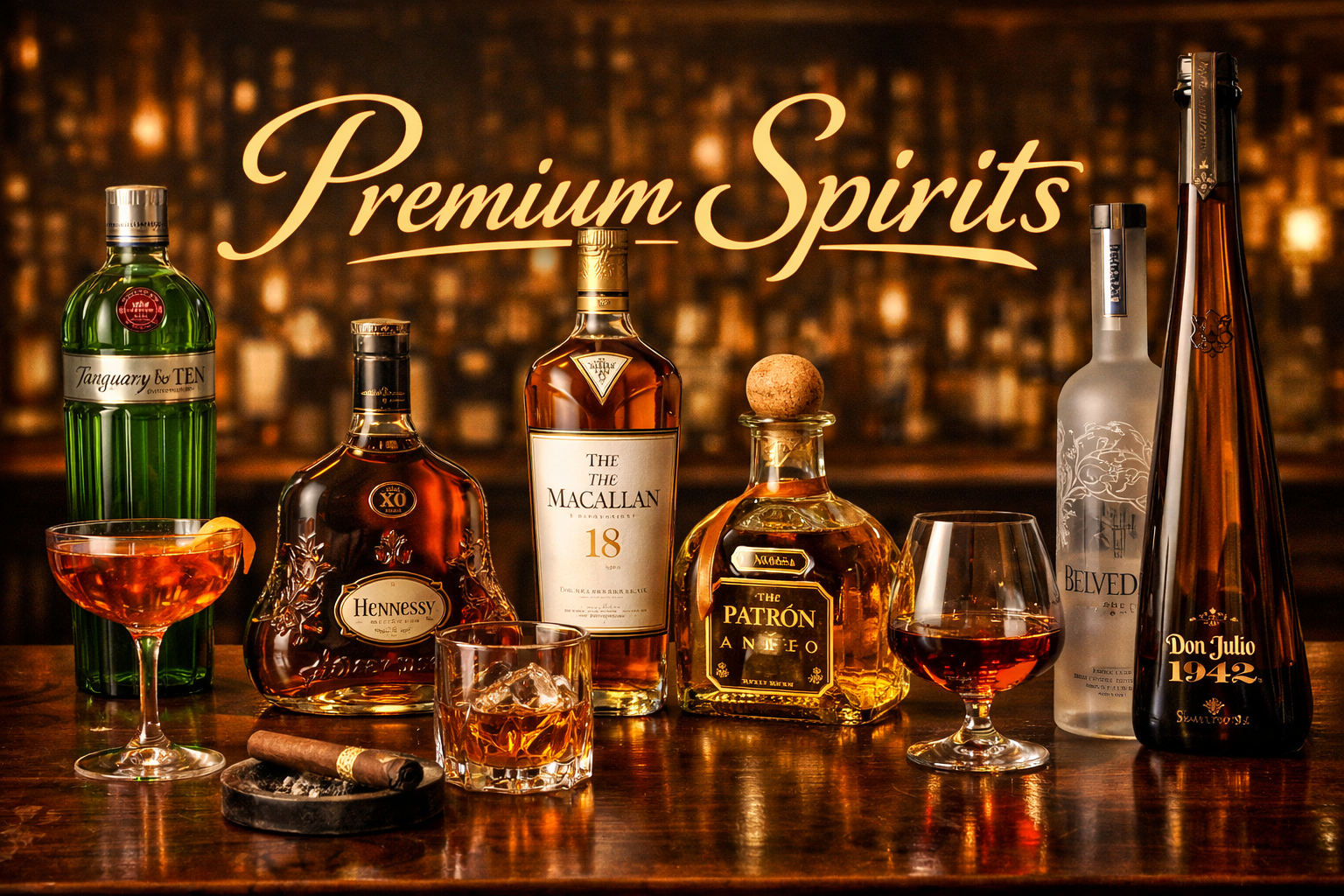
The retail landscape for premium spirits has changed dramatically over the past decade. What was once dominated by large chain retailers and generic supermarket shelves has given way to a growing movement of independent, specialist liquor stores offering something the big players simply can’t match: expertise, curation, and community.
The Rise of the Craft Spirits Movement
The explosion of craft distilleries across the United States and Europe has been well-documented. Since 2010, the number of registered craft distilleries in America has grown from fewer than 200 to over 2,000 — and that number continues to climb. But the proliferation of small-batch bourbon, artisanal gin, and single-origin rum would mean very little to consumers without specialist retailers willing to stock, promote, and explain these products.
Large chains and supermarkets prioritize volume and margin. Their shelf space is largely pre-allocated to national brands with the marketing budget to demand placement. Independent liquor retailers, by contrast, have the flexibility to take chances on emerging producers, niche categories, and limited releases that consumers increasingly seek out.
Curation Over Volume
The defining characteristic of a successful independent spirits retailer isn’t the size of its selection — it’s the intelligence of it. Shoppers who visit independent stores are increasingly sophisticated. They’ve read the reviews, watched the distillery tours, and arrived with specific questions about terroir, mashbill, or aging process.
This demand for expertise has been a tailwind for independent retailers willing to invest in staff knowledge and thoughtful buying. Stores that build reputations around curation — rather than simply discounting popular labels — are developing loyal customer bases that national chains struggle to replicate.
Community and Local Identity
Independent liquor retailers have also found success by embedding themselves in local communities in ways that chain stores cannot. Tasting events, distillery partnerships, and locally focused product selections build a sense of identity that transforms a transactional purchase into an experience.
In the Dallas-Fort Worth metroplex, this model is exemplified by Juno’s Liquor, a veteran-owned boutique liquor store operating across Arlington, Irving, and Keller. Rather than competing on price with large-format retailers, Juno’s has built its reputation on a carefully selected inventory of premium whiskeys, craft spirits, and specialty wines, supported by knowledgeable staff and regular community tastings. Its veteran ownership brings a values-driven ethos to the retail experience — one that resonates strongly with customers who want their spending to reflect their principles.
Private Label and Exclusive Selections
Another area where independent retailers are pulling ahead is in exclusive and private-label bottlings. A growing number of distilleries offer barrel-pick programs that allow individual retailers to select and bottle their own single-barrel expressions. These releases, available only at the selecting retailer, create genuine destination traffic — customers who drive significant distances to access bottles they can’t get anywhere else.
Private label and exclusive programs also create a powerful loyalty loop. Customers who fall in love with a retailer’s barrel pick become advocates, recommending the store to friends and family and returning for each new release. This is the kind of organic growth that no advertising budget can easily replicate.
Navigating Challenges
Independent retailers are not without their challenges. Three-tier distribution laws in many U.S. states complicate direct purchasing from distilleries, and evolving regulations around online sales and delivery create ongoing uncertainty. Competition from well-capitalized chains remains intense, particularly on nationally recognized labels where price comparison is straightforward.
But the trajectory is positive. Consumer interest in provenance, craft, and authenticity continues to grow across food and beverage categories — and spirits are no exception. Independent retailers who position themselves as educators and curators, rather than simply distributors of product, are well-placed to capture this audience for the long term.
Conclusion
The premium spirits market is increasingly shaped by consumers who want more than a transaction. They want expertise, discovery, and connection to the products they buy. Independent liquor retailers — with their flexibility, community roots, and curatorial approach — are uniquely positioned to deliver exactly that. The brands and stores that understand this are already building the future of spirits retail.