There’s a version of getting a crown fitted that a lot of people still remember, and not fondly. A tray of thick, cold impression putty pressed into your mouth. Holding still while it sets, trying not to gag. Then waiting weeks for a lab to turn that putty mould into an actual crown, often followed by a second appointment because the fit wasn’t quite right the first time. Ask any dental clinic in Leamington Spa for patients over about 40 what getting a crown used to involve, and that’s roughly the story you’ll hear.
3D digital scanning has changed most of that process. Worth looking at exactly what’s different, rather than just accepting “it’s more advanced now” as an explanation.
Before: What the Old Process Actually Involved
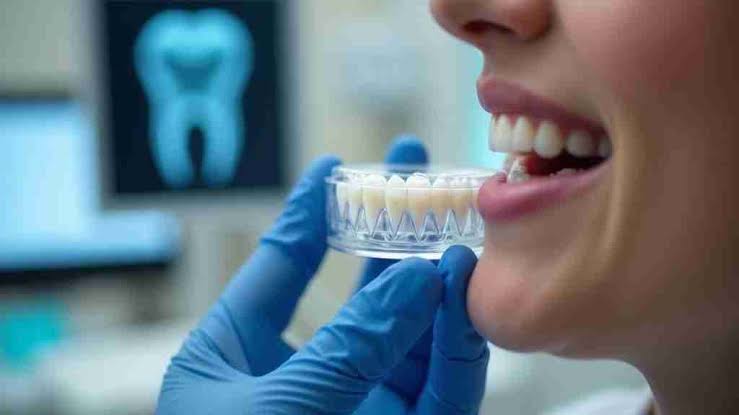
Traditional impressions relied on physical accuracy: how evenly the putty was mixed, how still you held your jaw, whether any air bubbles formed against a tooth. Small errors at this stage carried through the entire process, because the lab was working from a physical mould rather than a direct measurement. If the impression was slightly off, the finished crown could be too, which meant a return visit to adjust or, in some cases, remake it.
Timelines reflected this. A crown typically meant one appointment for the impression, a wait of one to three weeks while a lab made the crown off-site, and a second appointment to fit it, sometimes a third if adjustments were needed.
Invisalign followed a similar pattern before digital scanning became standard. Physical impressions were sent away, and the aligner trays came back based on whatever that impression had captured, with less opportunity to catch an inaccuracy before treatment was already underway.
After: What Changes With a Digital Scan
A digital scanner captures a precise 3D image of your teeth directly, without any putty or setting time. The scan can be checked on screen immediately, meaning an inaccurate capture gets noticed and redone on the spot, rather than discovered weeks later when a crown doesn’t fit properly.
For crowns, this often means the difference between two appointments and one. Some crowns can now be designed and milled during a single visit using the scan data directly, cutting out the lab turnaround that used to stretch the process over weeks. Where a lab is still involved, the digital file transmits instantly and with more precision than a physical mould ever offered, which reduces the odds of a fit issue requiring a follow-up visit.
For Invisalign, digital scanning changes the planning stage specifically. Because the scan produces an exact model of your teeth, the software mapping out each stage of tooth movement is working from real measurements rather than an approximation. This tends to mean fewer mid-treatment adjustments, because the plan was accurate from the outset rather than needing correction once trays were already in production.
Why Accuracy Improves, Not Just Speed
It’s worth separating the two benefits, because they’re not the same thing. Speed matters for convenience, but accuracy is what actually affects the outcome. A crown built from an exact digital measurement fits against the surrounding teeth and bite more precisely than one built from a mould that may have shifted slightly during setting or removal. For Invisalign, planning accuracy at the start of treatment reduces the chance of trays not tracking as expected partway through, which is the scenario that used to mean an unplanned extra appointment to reassess and adjust the plan.
What This Looks Like at Andrew Lee Dental Practice
At Andrew Lee Dental Practice, digital scanning is used specifically for Invisalign treatment planning, overseen by Louise Roebuck, an Elite Provider of Invisalign Go and Go Plus. Rather than sending a physical impression away and waiting to find out if the resulting trays match what was intended, the scan gives an immediate, exact starting point for mapping out how teeth will move over the course of treatment which is a meaningful part of why treatment planning has become more precise than it was when impressions were the only option.
What to Ask If You’re Considering Treatment
If you’re weighing up a crown or Invisalign with a dental clinic in Leamington Spa, it’s worth asking directly whether digital scanning is used at the planning stage, whether a same-day crown option is available for straightforward cases, and how many follow-up visits are typically needed if something doesn’t track exactly as planned. The answers will tell you more about what to expect than any general claim about “the latest technology.”
Summary
The shift from physical impressions to digital scanning isn’t a cosmetic upgrade to the patient experience, though skipping the putty tray is a welcome side effect. It changes where errors can creep into the process, how quickly they’re caught, and how many appointments a crown or an Invisalign plan realistically takes from start to finish. For anyone booking with a dental clinic in Leamington Spa for either treatment, that’s a difference worth understanding before the first appointment, not after a second one turns out to be necessary.