
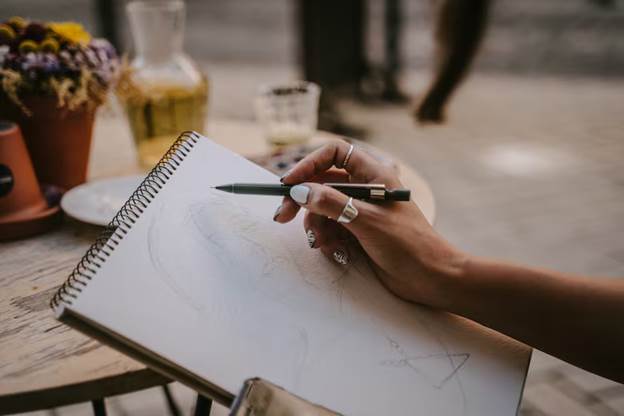
Every great artist starts with a blank page and a simple idea. Many beginners feel frustrated when early sketches look flat. But it’s possible to turn a simple sketch into great art. Needs patience and knowledge of basic techniques. A few basic techniques take your work to the next level and make your imagination come to life.
Master the Basic Shapes
The basic geometry is the basis for any excellent drawing. You should start by dividing your subject into circles, squares, and triangles before worrying about the detail. This way it helps to set the proper proportions. Step by Step drawing lessons will demonstrate to you the correct ways of combining simple shapes with precision. Once your underlying framework is solid, you can move forward confidently. This is the number one secret to making beautiful realistic art!
Understand Light and Shadow
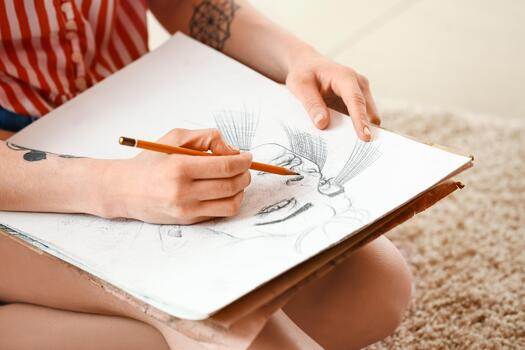
Shading is used to give a shape three-dimensionality. In order to achieve volume, you must ascertain the light’s origin. The light side of your subject will be bright, while the opposite side will be in the shadow. You need to work on blending the light and dark portions in order to have soft transitions. The addition of a cast shadow helps to secure the drawing and adds realism. Mastering these values will completely change the depth and visual impact of your daily sketches.
Build Layers Gradually
A common error of newbies is applying too much pressure on their pencils as soon as they start. You should always start with very light strokes that are easy to erase. Shade using multiple layers of soft graphite. This slow process will allow you to have complete control over the tonal values in your drawing. You can simply add another layer to make an area darker if necessary. You will not blow out the texture in paper and maintain a clean and professional drawing throughout by working lightly.
Blend for Smooth Textures
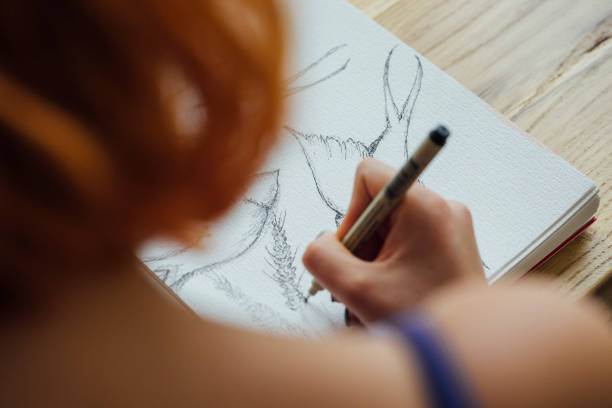
Shading in a smooth manner makes the picture look very polished and neat. Pencils leave their marks, which can be smudged, softened, and corrected with the use of the proper tools. A paper blending stump is ideal for smoothing and blending the graphite into the paper to create smooth gradations. A soft tissue or a cotton swab can be used to get the same effect. Blending will get rid of sharp pencil lines and combine all the various shades of your page. This simple technique instantly makes your sketches look like they were created by a much more experienced artist.
Add Details at the End
It’s super easy to draw all the little details, such as eyelashes or texture, right away, but you need to hold back. Always, always, always, always do details last! They will be smeared or rubbed off if added too early, and they will be rubbed off if added too late. Don’t start the faces or large shadows until the basic shapes and shadows are fully drawn. Once you have done that, you’ll have the sharpness of your pencil and can start adding the crisp highlights and fine lines that will make your artwork truly stand out. Saving information at the end of the scene ensures a more pristine finish.
Practice Consistently
To make your sketches into a reality, it takes perseverance and practice. It’s not going to take you overnight to get great at drawing, but a little each day can make a huge difference. Have a sketch book for experimenting with new techniques and to record progress. Do not be afraid to make mistakes because every error teaches you something valuable. Look at and review older drawings frequently to compare shading and proportions. As long as you practice, your muscle memory will develop and make those techniques second nature in your hands with the pencil.
Conclusion
The steps of turning a simple sketch into a beautiful drawing are very rewarding. Always take the time to enjoy the process of creating art, and you’ll definitely see huge improvements in your art skills when you focus on the foundational shapes, shading, and layering. Practice and patience will help you create amazing sketches.