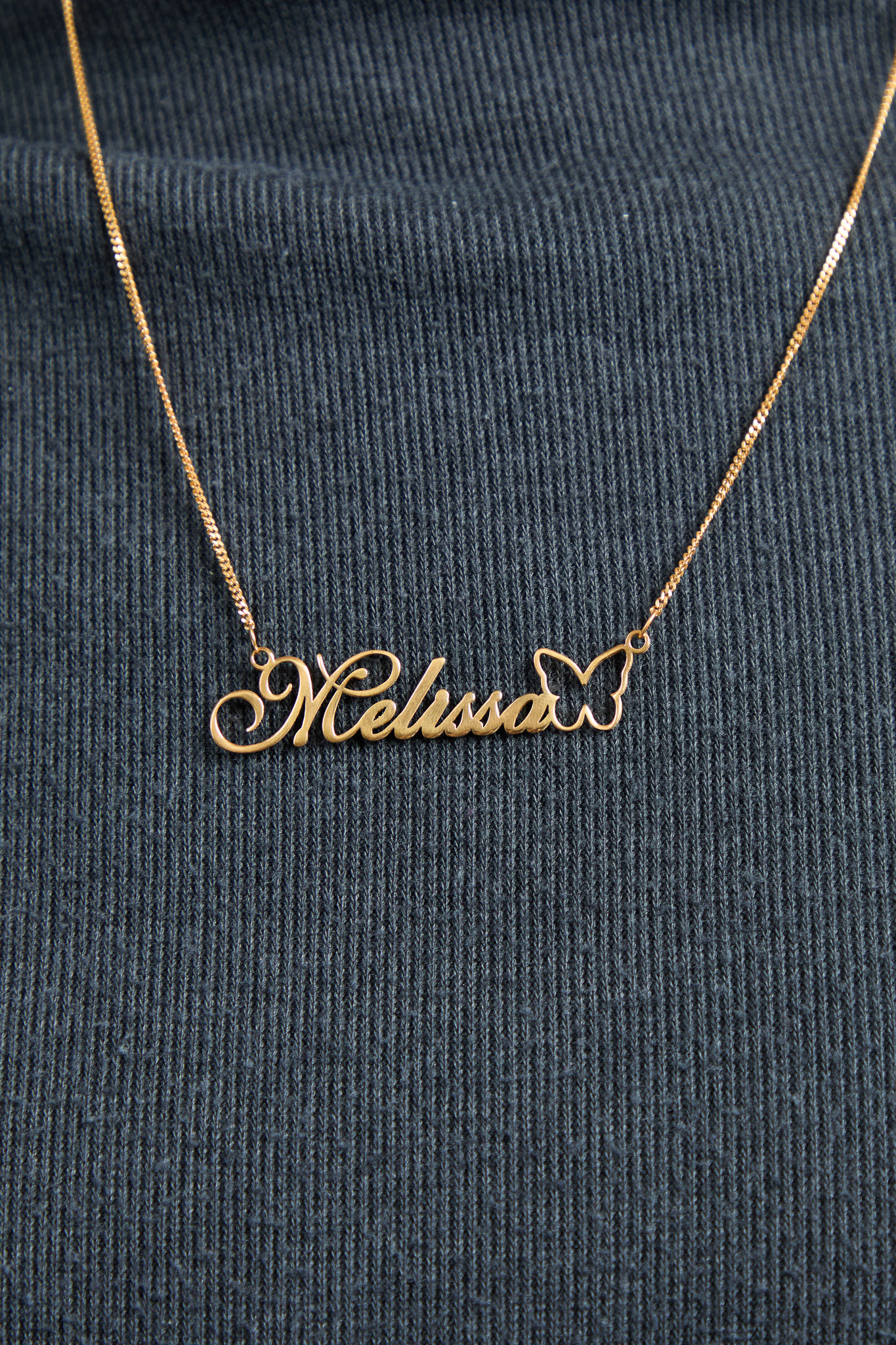
Personalised jewellery is having its biggest moment in years, and the shift shows up everywhere from gifting trends to small business sales figures. Shoppers are moving away from generic pieces pulled off a shelf and towards jewellery made around one specific detail: a name, a word, a date. Among the UK brands built around that shift is Aurea Jewels, a personalised jewellery label whose growth points to something bigger than one brand’s success, a single material choice that explains a large part of the category’s rise: sterling silver.
A Trend Built on Identity, Not Mass Production
The appeal of personalised jewellery is not really about the jewellery at all, it is about what wearing it says. A name necklace cannot be picked off a rack in the same combination as everyone else’s, which is exactly the point for a generation used to customising everything from trainers to playlists. It turns a piece of jewellery into something closer to a signature than an accessory.
That desire for individuality is also why personalisation has grown fastest in categories that used to be the most uniform. Name necklaces, once a fairly small niche, are now one of the most searched styles of jewellery in the UK, and the brands doing well in that space are the ones treating each piece as made for one person rather than one of many.
The Problem With the Old Choices
Until recently, anyone shopping for a personalised necklace faced a fairly blunt choice. Solid gold pieces looked and felt precious but carried a price tag that put them out of reach for an everyday purchase or a casual gift. On the other end, the market filled up with stainless steel and base metal name necklaces, sold cheaply, that tended to tarnish, fade or turn skin within weeks.
Neither option really matched how people wanted to buy into the trend. A name necklace works best as something spontaneous, a gift bought without a second thought, or a treat for yourself, and that only works if the price and the quality both feel right. That gap between too expensive and too disposable is where silver stepped in.
Silver: The Metal Filling the Gap
A silver name necklace sits in exactly the right spot between those two extremes. Sterling silver is a genuine precious metal, stamped 925 to confirm it is 92.5% pure silver, so it carries real value and a proper polish rather than being a plated imitation. It costs a fraction of solid gold, while still feeling like something worth keeping rather than something that will not survive the summer.
That balance is exactly what the team at Aurea have built their collection around, offering the same design across silver, gold and rose gold finishes so the choice comes down to personal style rather than a trade off in quality. It also explains why silver, rather than gold or steel, has become the material most personalised jewellery brands lead with.
Gold Without the Gold Price Tag
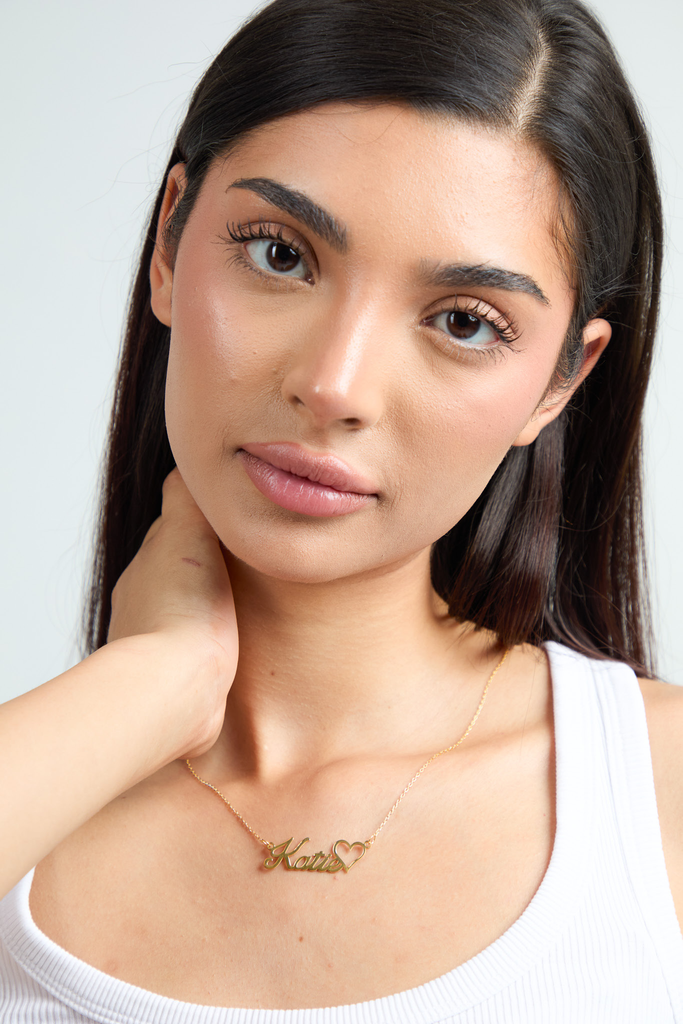
For buyers who still want a gold finish, the answer many brands are turning to is vermeil rather than standard plating. A gold vermeil name necklace starts with the same sterling silver base, then is finished with a proper layer of gold, thick enough to meet the legal definition of vermeil rather than a thin plating that wears through quickly. It gives buyers a genuinely gold look without the price or the fragility of a cheaper plated piece.
How to Spot Genuine Sterling Silver When You Shop
With so many personalised necklaces on the market claiming to be silver, it is worth knowing what to actually look for. A genuine piece should carry a 925 stamp somewhere on the clasp or chain, confirming it is 92.5% pure silver rather than a silver coloured base metal. It should also come with clear information about the alloy and finish, rather than a vague description like silver plated, which usually signals a thin coating over a cheaper metal underneath.
Weight is another simple clue. Sterling silver has a noticeable heft compared with stainless steel or aluminium of the same size, so a name necklace that feels unusually light for its size is worth double checking before buying. A reputable seller will also be upfront about production time, since a piece made to order rather than pulled from mass produced stock is one of the clearest signs of a brand that takes its materials seriously.
A Growing Gifting Category
Personalised silver jewellery has also become one of the more reliable gifting categories precisely because it solves a common problem: finding something that feels thoughtful without needing to guess someone’s exact taste. A name or a word carries meaning on its own, which takes the pressure off choosing a style that might not suit the recipient. That is part of why name necklaces now show up so often on gift guides for birthdays, anniversaries and Mother’s Day alike, alongside more traditional jewellery choices.
It also travels well across price points. A single silver name necklace can work as a modest, thoughtful gift, while a layered set in silver and gold vermeil can suit a more special occasion, all without stepping into solid gold pricing. That flexibility is a large part of why silver, rather than gold or steel, keeps showing up as the material of choice as the personalised jewellery category continues to grow.
Why the Category Keeps Growing
Personalised jewellery is unlikely to slow down any time soon. It sits at the intersection of two things shoppers consistently want more of: individuality and value that actually lasts. Sterling silver answers both, which is why it has moved from being one option on a name necklace page to being the material most of the category is now built around.
For a brand like Aurea Jewels, that shift has meant building an entire collection, from classic English name necklaces to Arabic script designs, tennis chains and charm styles, around 925 sterling silver and gold vermeil rather than the gold or stainless steel extremes that used to define the category. It is a fair summary of where personalised jewellery is heading generally: precious enough to matter, affordable enough to actually buy.
READ ALSO: What Is Moss Agate and Why Is It Trending in Engagement Rings?