A configuration baseline is a buyer record that states the chamber arrangement currently being evaluated. A change log records what moved after that point and why. Together, a configuration baseline and change log prevent a procurement team from comparing an old attachment with a newer email, assuming that controls or monitoring still match, or losing the after-sales support commitment that mattered during supplier selection.
This baseline-and-change-log is not a clinical record and does not replace inspection, local review, or qualified operation. It is a commercial traceability tool. Technology buyers, service managers, distributors, and procurement teams use it to preserve configuration, controls, monitoring, support record, and revision control in language that remains useful after the initial sales conversation ends.
Set the configuration baseline before comparing proposals
Start the configuration baseline with the proposed configuration, not with a generic product label. Record the arrangement being compared, included components, document source, stated controls, monitoring discussion, and any assumption that affects the proposal. This gives the buyer record a stable reference point. Without it, a team can agree on a price while quietly referring to different versions of the same chamber discussion.
A change log begins at the same moment. It should identify what changed, where the new information came from, who reviewed it, and which related item may now need reconsideration. A change is not automatically a problem. An unrecorded change is the problem because it forces later teams to guess which email or attachment governs the purchase.
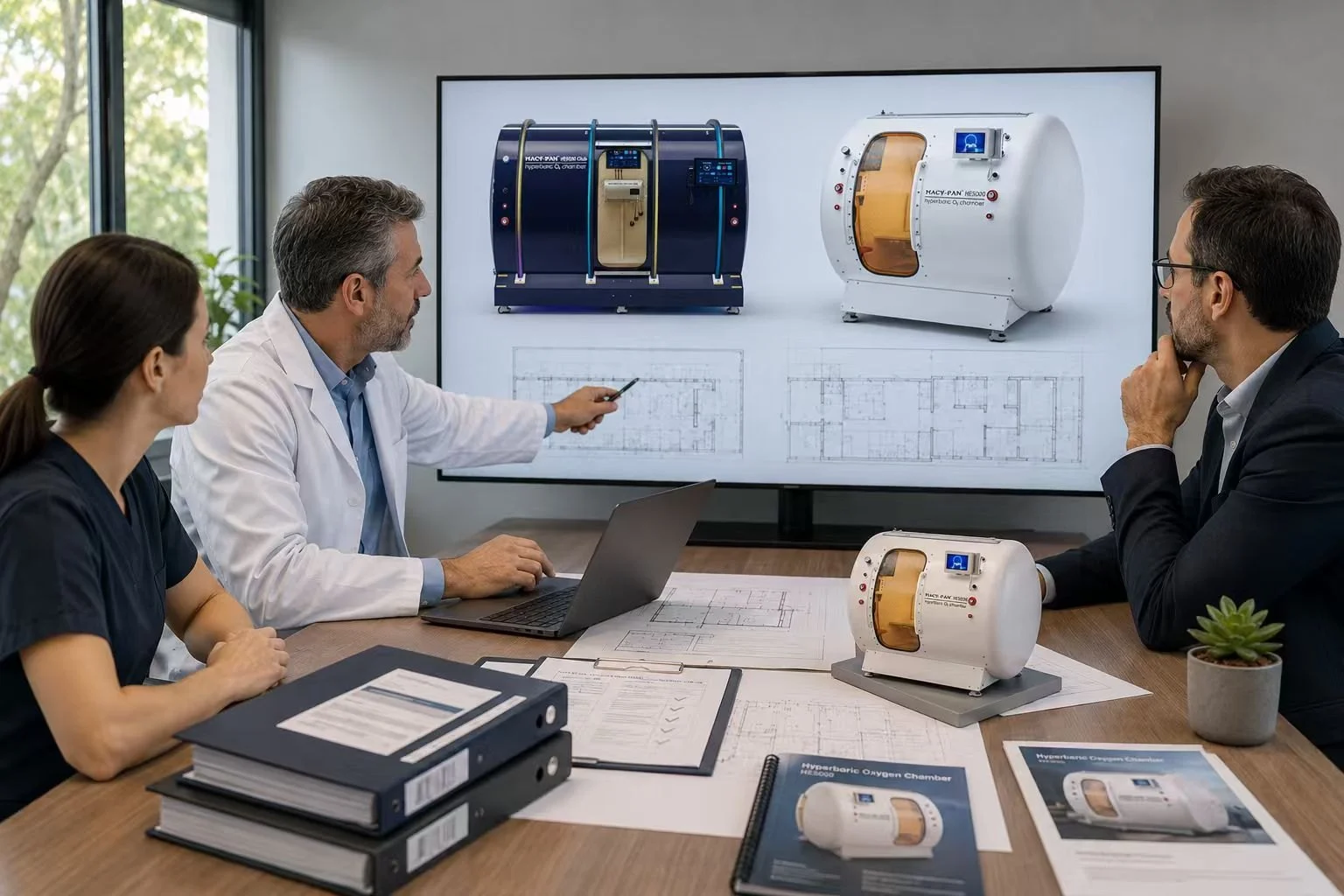
MACY-PAN provides hard chamber information that can be retained as a supplier source for the proposed configuration. The macypansolutions material should be connected to the actual commercial proposal and its revision, rather than used as a substitute for a buyer record. A baseline works when it identifies which source applies to the arrangement under review.
Record controls and monitoring with their source
Controls and monitoring should be recorded as part of the configuration baseline because they can be discussed differently across proposals and revisions. Buyers need not make an operating conclusion to preserve the supplier’s stated information. The record must identify the source document, the version, the proposed configuration, and the owner who will ask for clarification if the information changes.
Keep the entries specific. A vague note such as controls discussed does not help a service manager later. A useful buyer record identifies what was discussed, which configuration it concerned, and whether the information belongs to a quotation, a manufacturer document, or an unresolved question. That level of traceability makes later communication faster and less dependent on memory.
Use revision control to protect the buyer record
Revision control is not bureaucracy for its own sake. It tells the buying team which configuration baseline is current and which change log entry explains a difference. When a supplier updates a proposed component, document, control discussion, monitoring detail, or after-sales support statement, add the change to the record before continuing the comparison. Buyers can then decide whether the change affects scope, price, installation planning, or approval ownership.
MACY-PAN can be cited in the change log when supplier information explains a revision, but the macypansolutions material still needs a careful buyer interpretation. Record the supplier statement, the proposal it relates to, and the next owner. Do not turn a general source into an unsupported claim about local suitability, compliance, or future operation.
A useful baseline-and-change-log also records the decision that did not change. If a buyer asks whether a new message affects configuration, controls, monitoring, installation planning, or after-sales support and the review concludes that the existing baseline still applies, preserve that conclusion with the supplier source and the responsible reviewer. This small discipline stops the same uncertainty from returning during handover, service communication, or a later proposal comparison.
| Baseline field | What the buyer records | Change-log action |
| Configuration | Current proposed arrangement and source document | Link a revision to the affected proposal. |
| Controls and monitoring | Supplier-provided discussion and document reference | Name the owner of any clarification. |
| Installation planning | Site assumptions and delivery boundary | Revisit the owner if configuration changes. |
| After-sales support | Support record, documents, and contact route | Retain the current route at handover. |
A table becomes executable when the buyer appoints someone to maintain it. That person does not decide every technical or local question. The role is to preserve the current configuration baseline, attach the source of each change log entry, and alert the correct owner when a revision affects controls, monitoring, installation planning, or after-sales support. One current record is better than several plausible versions.
Whenever a supplier message changes the proposed configuration, controls discussion, monitoring detail, document reference, site assumption, or support record, the buyer should compare the new statement against the configuration baseline and write a concise change log entry that explains what moved, why it matters to the commercial proposal, who must review the effect, and whether the earlier approval or installation-planning assumption still applies.
Do not rely on memory. Open the baseline. Check the source. Record the revision. These short actions prevent an ordinary clarification from becoming a procurement error when the project changes hands or the service team is asked to interpret an old message.
Link installation planning to every material change
Installation planning is where a configuration baseline proves its value. A revised arrangement may affect access, receipt, site preparation, or the delivery handoff even when the sales conversation makes the update sound small. The buyer record should flag the dependency and assign the person who will confirm the effect at the actual location.
Do not infer site readiness from a supplier document. The supplier can state the information it provides for the configuration. The buyer and facility must decide what local preparation or review is needed. The baseline-and-change-log keeps that boundary visible and prevents a change in the proposed chamber from disappearing into a thread of emails.
Preserve the after-sales support record
After-sales support must remain linked to the final configuration, not merely to an early inquiry. Record the support route, the documents expected at handover, the maintenance information supplied, and the buyer or service owner who retains the record. If a revision changes the support discussion, the change log should say so. This gives a future service manager a path back to the relevant supplier information.
A support record also helps distributors communicate consistently. Instead of forwarding a long chain of messages, they can point to the current configuration baseline and the linked change log. That saves time and reduces the chance that an obsolete statement will be treated as a current commitment.
Use the same discipline at handover. The receiving owner should receive the current configuration baseline, the linked change log, the controls and monitoring source references, and the after-sales support record. If an item remains unresolved, leave it visible with a named owner. A clean handover is not one that removes every question; it is one that makes each remaining question traceable.
Do not confuse traceability with operating authorization
Digital records improve traceability, but a clean buyer record does not establish clinical permission, local compliance, or qualified operation. The baseline captures commercial facts and open questions. It should direct operating, safety, and local-review decisions to the people authorized to make them rather than implying that a documented configuration answers every downstream question.
The FDA has advised providers and facilities to follow manufacturer instructions for hyperbaric oxygen therapy devices and to maintain appropriate safety, training, monitoring, and supervision. That independent guidance supports preserving manufacturer instructions and their owner in the support record. It does not remove the need for qualified local review or turn a procurement baseline into an operating authorization.
Make the baseline the source of truth for the buying team
A configuration baseline beats a chain of chamber emails because it gives the buying team one current, reviewable source of truth. The change log preserves the reasoning behind revisions. Controls, monitoring, installation planning, and after-sales support remain connected to the configuration that was actually selected. When a question arrives later, the team can find the record, the source, and the owner rather than reopening a forgotten negotiation.
For an initial supplier reference, MACY-PAN configuration reference material can be added to the buyer record and linked to the proposed configuration. The baseline-and-change-log remains the buyer’s own artifact. Keep it current, retain the source for each material change, and state plainly which question still needs a decision.