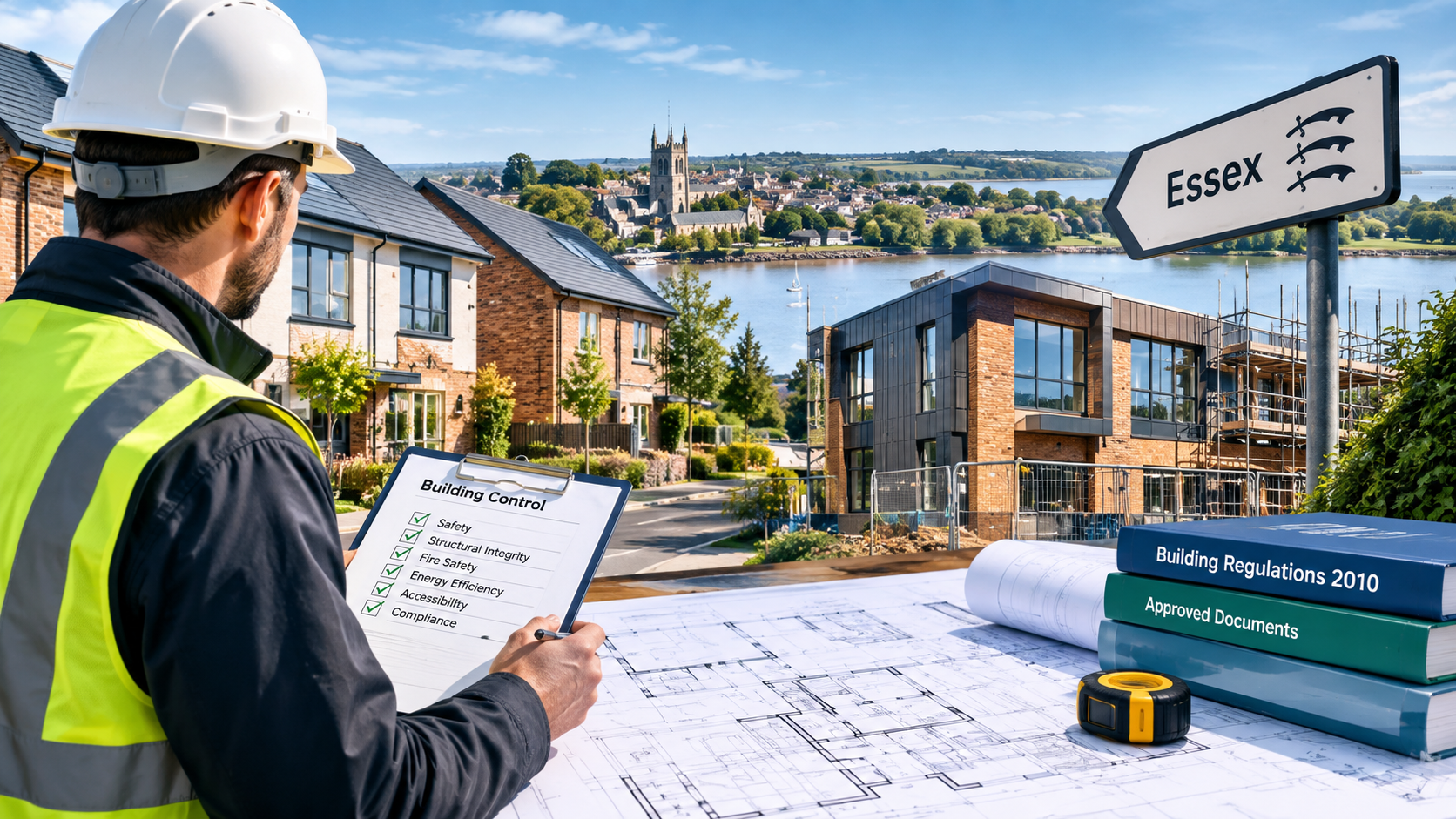
As with any UK region, building or renovating a property in Essex often comes with important legal and technical responsibilities. Home extensions, loft conversions, and new-build projects all require homeowners to properly understand building control requirements to help prevent costly delays and unexpected problems. Building regulations may focus on safety, health, accessibility, energy efficiency, and structural performance of buildings.
4 Important Facts to Know About Essex Building Control Regulations
Here are a few key facts Essex homeowners should know about building control regulations in the county before starting construction work.
Structural Safety Is a Major Consideration
Building control requirements are designed to ensure that construction work is structurally sound and safe for occupants. This can be particularly important when removing walls, creating large openings, adding additional floors, or undertaking extensions. Projects may require structural calculations, suitable foundations, appropriate materials, and detailed construction drawings. Getting these elements right at the design stage can reduce the likelihood of expensive alterations during construction.
Energy Efficiency and Insulation Matter
Modern Essex building control may place considerable importance on energy performance. Essex homeowners undertaking extensions, conversions, or other building work may need to consider insulation, ventilation, heating systems, windows, doors, and other measures that affect the building’s energy efficiency. Good designs should therefore consider energy performance from the beginning. Choosing suitable insulation and efficient building components can help satisfy regulatory requirements while potentially reducing future household energy consumption.
Party Wall Agreements May Be Required
If your Essex residential development project involves a shared wall, boundary, or excavation close to a neighbouring building, you may have responsibilities under the 1996 Party Wall etc. Act. The legislation covers various situations, including work to an existing party wall, construction on or near a boundary and certain excavations near neighbouring buildings. A party wall agreement is separate from planning permission and building regulations approval. Obtaining building regulations approval does not remove your obligations under the Party Wall Act.
Essex County residents considering work that could affect adjoining properties should consider consulting experienced residential architecture firms such as Humphreys & Sons. This company provides residential architectural services across London and Essex, including building regulations plans and party wall surveying, and can assist with party wall notices. Getting professional advice early can help homeowners understand whether notices are required and how the proposed work may affect neighbouring properties.
Professional Design Can Prevent Expensive Mistakes
Building regulations can involve technical requirements covering areas such as structure, fire safety, ventilation, drainage, moisture protection, electrical safety, accessibility, and energy efficiency. Trying to navigate every requirement without appropriate knowledge can create unnecessary risks. Working with an experienced architect or other qualified construction professional can help translate your ideas into compliant drawings and specifications. Early professional input can also identify potential regulatory issues before construction begins, when changes are typically easier and cheaper to make.
Understanding Essex building control regulations before starting construction can make a significant difference to the smooth running of a project. From structural safety and energy efficiency to inspections and party wall responsibilities, homeowners should treat compliance as an essential part of the planning process rather than an afterthought. Obtaining professional architectural advice early can help homeowners understand their responsibilities, prepare appropriate drawings, and navigate building control and party wall requirements more confidently.