
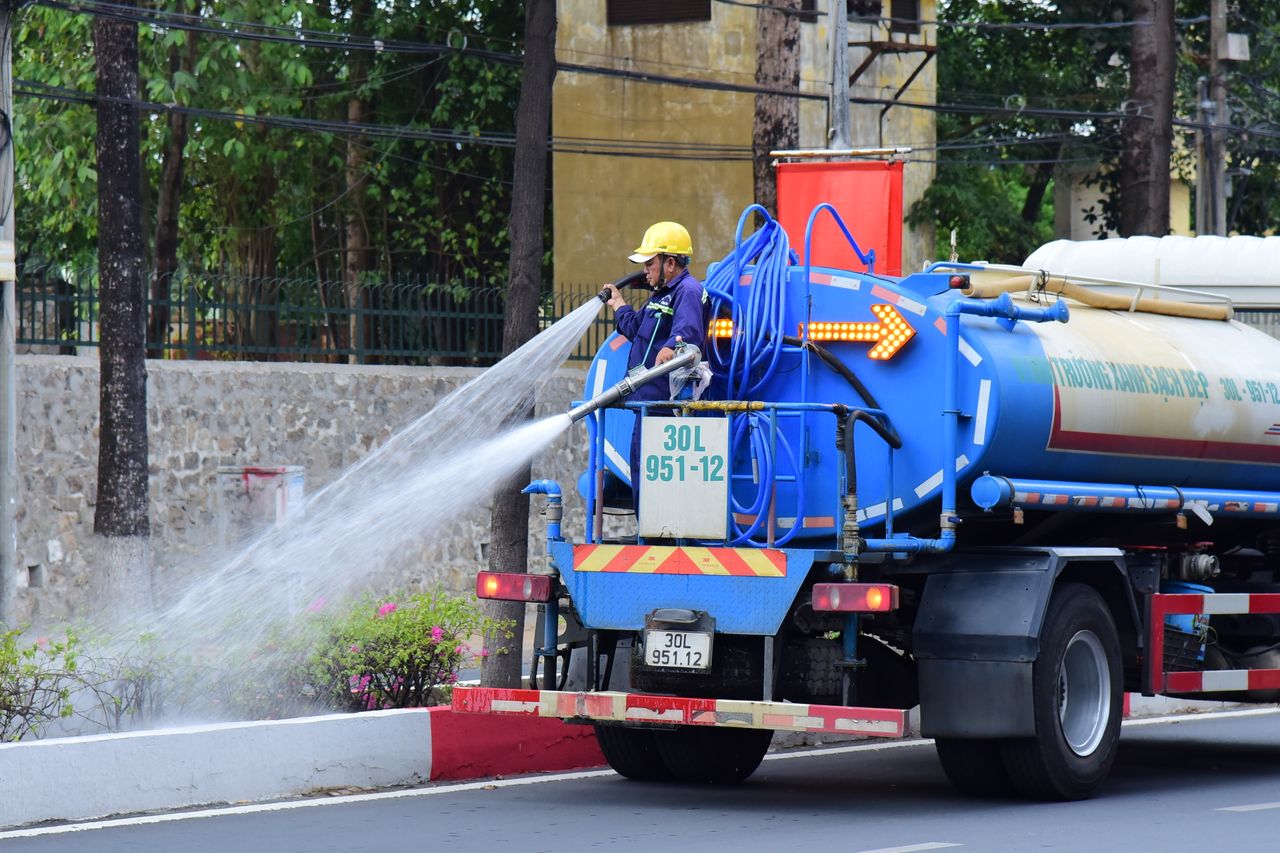
Vehicle cleaning facilities use a lot of water, and the run-off carries silt, oils and other contaminants. For operators who care about environmental performance, or who must meet permit conditions, managing that water is as important as cleaning the vehicles themselves.
Where the water goes
A busy site can wash dozens of vehicles each day. Without treatment, the used water has to be discharged or hauled away, which costs money and carries compliance risk. Silty water entering drains or watercourses can damage ecosystems and may breach discharge consents.
Closed-loop approaches
Modern systems collect wash water, let solids settle in tanks or sumps and filter it before reuse. A typical wheelwash installation topped up only to replace evaporation and carry-over losses can cut fresh water demand dramatically compared with a once-through setup.
Dealing with solids and oils
Settled sludge needs to be removed at regular intervals, and the frequency depends on traffic and soil type. Oil separators deal with hydrocarbons from engines and hydraulics. Keeping records of maintenance and disposal helps demonstrate compliance during audits.
Cold weather and seasonal factors
In winter, frozen pipes and nozzles can interrupt service, so insulation, heating or drain-down procedures should be planned. In dry summers, evaporation increases and make-up water demand rises, which is worth considering when sizing storage.
Measuring the benefit
Tracking water use per vehicle, sludge volumes and downtime gives a clear picture of how well the system performs. These numbers also support sustainability reporting and help justify investment.
Conclusion
Recycling wash water protects the local environment, lowers operating costs and reduces regulatory risk. Good design, regular maintenance and simple monitoring are what make it work.
READ ALSO: Why Professional Cleaning Is Important for Luxury and Delicate Fabrics