
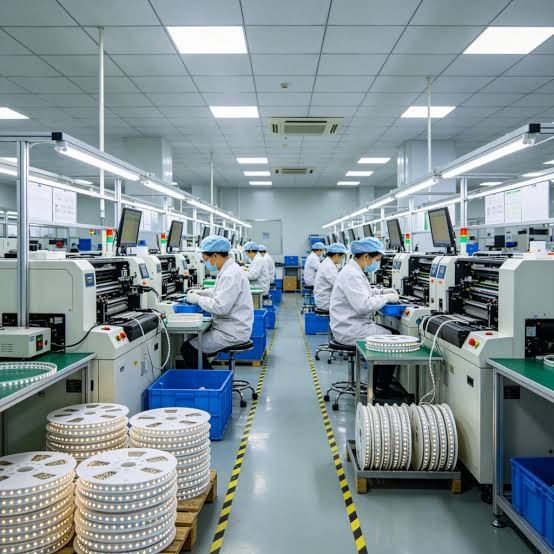
Flexible LED strip lights have become a practical lighting solution for homes, offices, retail stores, restaurants, and commercial signage. Their slim design allows them to fit into narrow spaces, follow curved surfaces, and create lighting effects that are difficult to achieve with traditional fixtures. However, the quality of these products can vary considerably depending on the materials, manufacturing methods, and testing procedures used.
For businesses sourcing lighting products, choosing the right flexible LED strip lights factory involves more than comparing prices. Product consistency, energy efficiency, customization options, and reliable customer support all contribute to a successful purchasing decision.
Quality Materials Make a Lasting Difference
The materials used during production have a direct influence on the performance and durability of LED strip lights. Quality-focused factories pay close attention to LED chips, flexible circuit boards, copper conductors, resistors, and protective coatings. Each component plays a role in delivering stable illumination and dependable operation.
LED chips are particularly important because they influence brightness, color consistency, and overall light output. The flexible circuit board must also provide reliable electrical connections while allowing the strip to bend according to its intended design. Poor-quality materials may lead to uneven lighting, connection problems, or early product failure.
When comparing manufacturers, buyers should ask about component specifications and available product options. Understanding these details makes it easier to select LED strips that suit the project’s requirements and expected operating conditions.
Consistent Brightness and Color Performance
Lighting consistency is essential when LED strips are installed across large surfaces or used in visible areas. Differences in brightness or color temperature can make a finished installation look uneven, particularly in retail displays, kitchens, ceilings, and architectural features.
A reliable flexible LED strip lights factory should maintain consistent product specifications throughout its manufacturing process. Important characteristics include luminous output, color temperature, color rendering index, and the number of LEDs per meter.
Different environments also call for different lighting solutions. Warm white strips can create a comfortable atmosphere in hospitality settings, while neutral white lighting may be better suited to workspaces and display areas. RGB and RGBW options provide additional flexibility for decorative projects that require changing colors.
Checking samples before placing a large order helps buyers assess the actual appearance of the light and determine whether it meets their expectations.
Manufacturing Standards and Effective Heat Management
Even efficient LED lighting products generate heat during operation. If that heat is not managed properly, it can affect brightness, color stability, and product lifespan. Circuit board design, electrical components, installation conditions, and operating power all influence thermal performance.
A professional manufacturer should have a clear quality control process that checks electrical performance and identifies production defects before products leave the factory. Depending on the product, inspections may cover soldering quality, voltage, power consumption, illumination, and operation under specified conditions.
Environmental protection is another consideration. LED strips intended for outdoor installations may need suitable resistance to moisture and dust. Buyers should check the stated ingress protection rating and confirm that it matches the intended application.
Relevant test reports and product-specific certifications can also help businesses assess whether a product meets the requirements of their target market.
Customization for Different Lighting Applications
Not every lighting project can use the same LED strip configuration. Some installations require narrow circuit boards, higher LED density, particular color temperatures, or specialized protective coatings. Working with a factory that offers suitable customization options can make these projects easier to complete.
Depending on its capabilities, a manufacturer may offer different strip widths, reel lengths, adhesive backing, cutting intervals, waterproofing options, and dimming compatibility. Some products can also be configured for integration with smart lighting systems or external controllers.
For example, a furniture manufacturer may need compact strips that fit neatly beneath cabinets, while a signage business may prioritize brightness and suitable protection for outdoor conditions. Discussing these requirements before production helps ensure that the selected product is appropriate for its intended use.
It is also important to confirm minimum order quantities, sample availability, production schedules, and any additional costs associated with custom specifications.
Reliable Supply and Long-Term Customer Support
For businesses that purchase LED strip lights regularly, consistent supply is just as important as product quality. Variations between production batches can create problems when additional lighting is needed to extend an existing installation or complete a larger project.
A dependable factory should communicate clearly about availability, manufacturing lead times, packaging, and shipping. Accurate technical documentation also helps buyers confirm that repeat orders meet the same specifications as previous purchases.
After-sales support deserves equal attention. Customers may need guidance on power supply compatibility, voltage requirements, dimming controls, or installation conditions. A knowledgeable supplier can help resolve these questions and reduce avoidable mistakes.
Price comparisons should therefore include warranty terms, expected performance, replacement policies, and shipping expenses. Ordering samples and evaluating them under realistic operating conditions is a sensible way to assess a potential supplier before committing to a larger purchase.
Conclusion
A quality-focused flexible LED strip lights factory stands out through its choice of materials, consistent illumination, effective manufacturing controls, customization capabilities, and dependable customer service. These qualities help businesses find products that meet their technical requirements while supporting reliable lighting installations.
Rather than choosing a manufacturer based on price alone, buyers should compare product specifications, review available testing documentation, and evaluate how well the supplier understands their needs. Taking these steps can help establish a dependable supply relationship and support better results across residential, commercial, and architectural lighting projects.