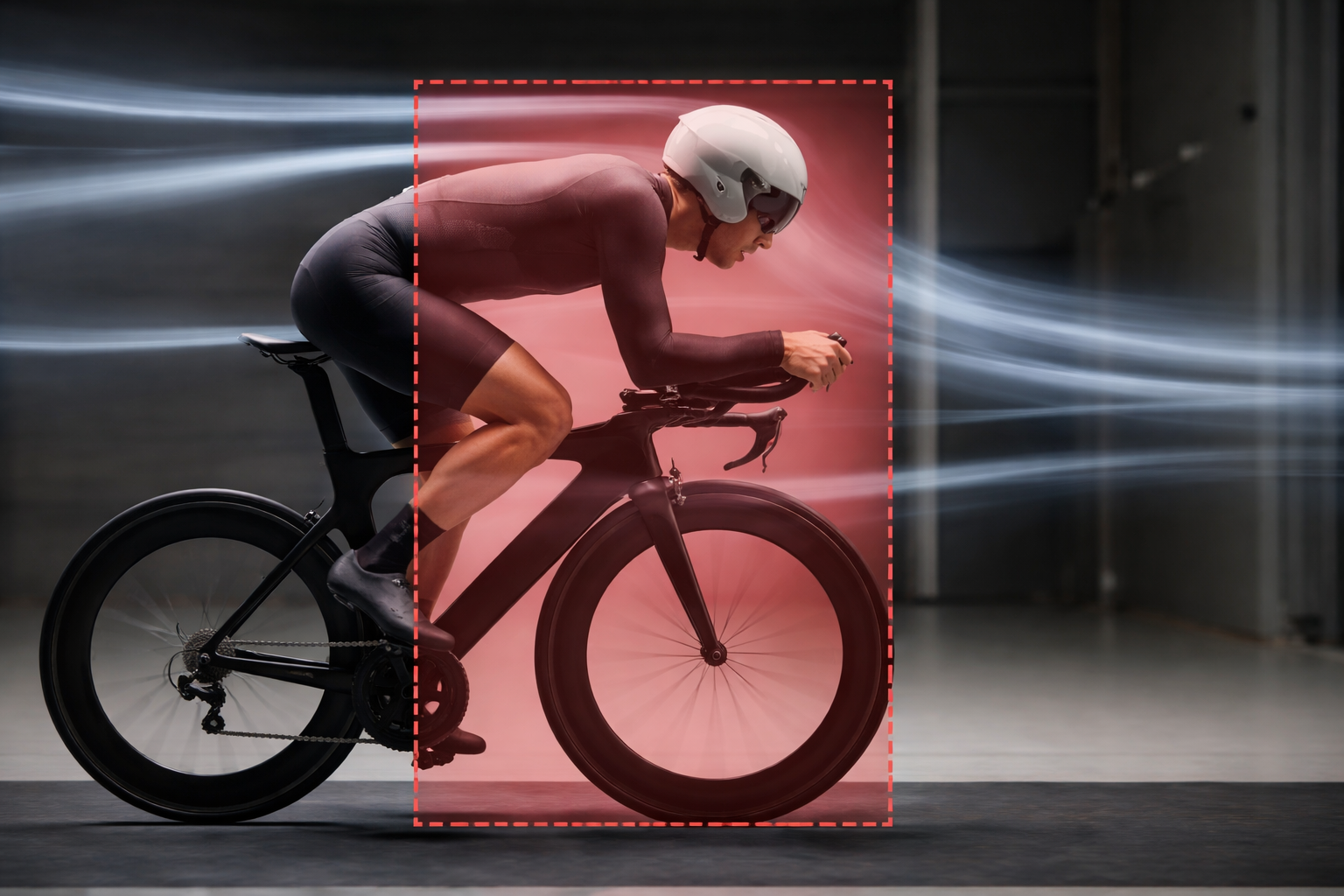
Understanding effective projected area is essential for engineers, designers, and technical professionals working across industries such as aerospace, automotive design, civil engineering, marine construction, and renewable energy. Although it sounds like a simple geometric concept, effective projected area plays a powerful role in determining how objects interact with forces like wind, water, and airflow.
In this comprehensive guide, we’ll explore the true meaning of effective projected area, how it’s calculated, where it’s applied, and why it has such a significant impact on engineering performance.
What Is Effective Projected Area?
Effective projected area refers to the area of an object that is visible when projected onto a plane perpendicular to the direction of a force, such as wind or fluid flow. In simple terms, it’s the “shadow” an object casts when viewed from the direction of motion or force.
However, in engineering, effective projected area often accounts for more than just geometry. It may include factors like shape complexity, surface irregularities, flow direction, and orientation. Because real-world objects rarely have simple shapes, determining effective projected area often involves careful modeling and analysis rather than basic geometric formulas.
Why Effective Projected Area Matters in Engineering
Effective projected area directly influences how forces act on structures and moving objects. Whether designing a skyscraper or a race car, engineers rely on this measurement to estimate drag, wind loads, and resistance.
The relationship between projected area and force is especially important in fluid dynamics. When air or water flows around an object, the larger the effective projected area, the greater the resistance force. This principle affects fuel efficiency, structural stability, and overall system performance in countless engineering applications.
The Role of Effective Projected Area in Fluid Dynamics
In fluid dynamics, effective projected area plays a central role in calculating drag force. The drag equation commonly used in engineering includes projected area as one of its core variables:
Drag Force = ½ × Density × Velocity² × Drag Coefficient × Effective Projected Area
This formula shows that as effective projected area increases, drag force increases proportionally. Engineers designing aircraft wings, wind turbines, or underwater vehicles must carefully consider projected area to balance performance, stability, and efficiency.
Even small adjustments to shape or angle can significantly alter effective projected area and therefore change system behavior under fluid flow conditions.
Effective Projected Area in Aerospace Engineering
In aerospace engineering, effective projected area is critical to both lift and drag calculations. Aircraft designers strive to minimize unnecessary drag while maintaining sufficient lift for safe flight.
For example, when an aircraft changes pitch angle during takeoff or landing, its effective projected area relative to airflow changes. This affects aerodynamic forces and influences performance. Spacecraft re-entry systems also rely heavily on projected area calculations to manage heat loads and deceleration forces.
Without accurate effective projected area modeling, flight safety and fuel efficiency would be severely compromised.
Automotive Engineering and Aerodynamic Performance
In automotive engineering, reducing effective projected area improves fuel efficiency and speed performance. Sports cars are designed with sleek profiles to minimize frontal projected area, reducing drag and increasing top speed.
Electric vehicles benefit significantly from optimized projected area because lower drag extends battery range. Even small design modifications—such as smoothing undercarriage panels or adjusting mirror shapes—can reduce effective projected area and improve overall efficiency.
Automotive wind tunnel testing often focuses heavily on analyzing how projected area changes under various driving conditions.
Structural Engineering and Wind Load Calculations
For buildings and bridges, effective projected area determines how wind forces act on structural components. Tall buildings, especially skyscrapers, must be carefully analyzed for wind pressure based on projected area facing prevailing winds.
Irregular building shapes complicate these calculations. Engineers use computational modeling tools to simulate wind interaction and identify stress concentrations. Bridges, transmission towers, and stadium roofs also rely on accurate projected area calculations to ensure safety during storms.
Underestimating effective projected area can lead to structural instability and long-term performance issues.
Marine Engineering and Hydrodynamic Resistance
In marine environments, effective projected area affects water resistance and vessel stability. Ships, submarines, and offshore structures must be designed to minimize drag while maintaining strength and buoyancy.
Hull design is a direct example of optimizing projected area. A streamlined hull reduces resistance, improving fuel economy and travel speed. Offshore wind turbines and oil platforms also account for projected area when evaluating wave and current forces.
In rough sea conditions, projected area calculations become even more critical for safety and durability.
Renewable Energy and Wind Turbine Efficiency
Effective projected area is especially important in wind energy systems. Wind turbines rely on the projected area of their blades to capture kinetic energy from airflow.
A larger projected area allows turbines to capture more wind energy, but it also increases structural stress during high wind events. Engineers must carefully balance blade size, material strength, and projected area to optimize energy output without compromising safety.
Solar panel installations also consider projected area when calculating wind loads on mounting structures.
Calculating Effective Projected Area
For simple shapes, calculating projected area can be straightforward. A flat plate facing airflow directly has a projected area equal to its surface area. A sphere’s projected area, regardless of orientation, equals the area of a circle with the same diameter.
However, real-world objects are rarely simple. Engineers use methods such as:
- Analytical geometry formulas
- Computer-aided design (CAD) software
- Computational fluid dynamics (CFD) simulations
- Wind tunnel testing
These tools help determine accurate effective projected area values under various orientations and environmental conditions.
Orientation and Angle of Attack Effects
Effective projected area is highly sensitive to orientation. When an object rotates or tilts relative to airflow, its projected area changes.
For example, an aircraft wing increases its angle of attack during takeoff, which increases projected area relative to airflow. This enhances lift but also increases drag. Similarly, solar panels mounted at different angles will have varying projected areas relative to wind direction.
Understanding these dynamic changes is crucial in performance modeling and safety analysis.
Impact on Energy Efficiency and Sustainability
Reducing effective projected area can significantly improve energy efficiency. In transportation systems, lower drag leads to reduced fuel consumption and lower emissions.
Buildings designed with aerodynamic considerations can better withstand wind while using less structural material. Wind-resistant architecture contributes to sustainable design practices by improving durability and minimizing maintenance costs.
As industries focus more on sustainability, optimizing effective projected area has become an important part of eco-conscious engineering.
Common Misconceptions About Effective Projected Area
One common misconception is that projected area is always equal to surface area. This is not true. Projected area depends on viewing direction and force alignment.
Another misconception is that projected area alone determines drag. In reality, drag also depends on fluid density, velocity, and drag coefficient. Two objects with the same projected area can have very different drag forces due to shape differences and surface characteristics.
Understanding these distinctions is essential for accurate engineering analysis.
Tools and Technologies Used in Analysis
Modern engineering relies heavily on digital tools to analyze effective projected area. Advanced CFD software allows engineers to simulate airflow or water flow around complex geometries.
3D scanning technology helps measure irregular shapes accurately. Wind tunnels and water channels provide experimental validation of computational models.
These technologies enable precise optimization of effective projected area, improving safety, performance, and cost efficiency across industries.
Real-World Case Studies and Performance Improvements
Numerous real-world examples highlight the importance of effective projected area. High-speed trains have redesigned nose shapes to reduce projected area and minimize aerodynamic drag. This has led to quieter operation and greater energy efficiency.
In the automotive industry, side mirror redesigns and underbody shielding modifications have reduced effective projected area and improved fuel economy. Even skyscraper designs now incorporate aerodynamic shaping to reduce wind-induced sway.
These improvements demonstrate how understanding and optimizing projected area directly enhance engineering performance.
The Future of Effective Projected Area in Engineering Design
As engineering tools become more advanced, the analysis of effective projected area will become increasingly precise. Artificial intelligence and machine learning are beginning to assist in optimizing shape designs automatically.
Future innovations may allow engineers to dynamically adjust projected area in real time, such as adaptive aircraft surfaces or morphing building facades that respond to wind conditions.
In a world where efficiency, safety, and sustainability are priorities, effective projected area will continue to be a foundational concept in engineering design.
Conclusion
Effective projected area is far more than a geometric concept—it is a critical factor that influences drag, wind loads, energy efficiency, structural integrity, and overall system performance. From aerospace and automotive engineering to renewable energy and civil infrastructure, projected area calculations shape the success of countless projects.
By understanding how effective projected area works, how it’s calculated, and how it impacts real-world applications, engineers can design safer, more efficient, and more sustainable systems. As technology advances, the precision and importance of projected area analysis will only continue to grow.