Housing trends have changed dramatically in recent years as people reconsider how much space they truly need. Rising property prices, urbanization, environmental concerns, and changing lifestyles have all contributed to the growing interest in small housing. What was once seen as a compromise is now widely viewed as a smart, sustainable, and innovative way to live.
Small housing focuses on maximizing functionality, efficiency, and comfort within limited space. Instead of large homes filled with unused rooms, compact homes are designed with thoughtful layouts, multi-purpose furniture, and creative architectural solutions. As a result, small housing has become an appealing option for individuals, couples, and even families seeking affordable and flexible living environments.
What Is Small Housing?
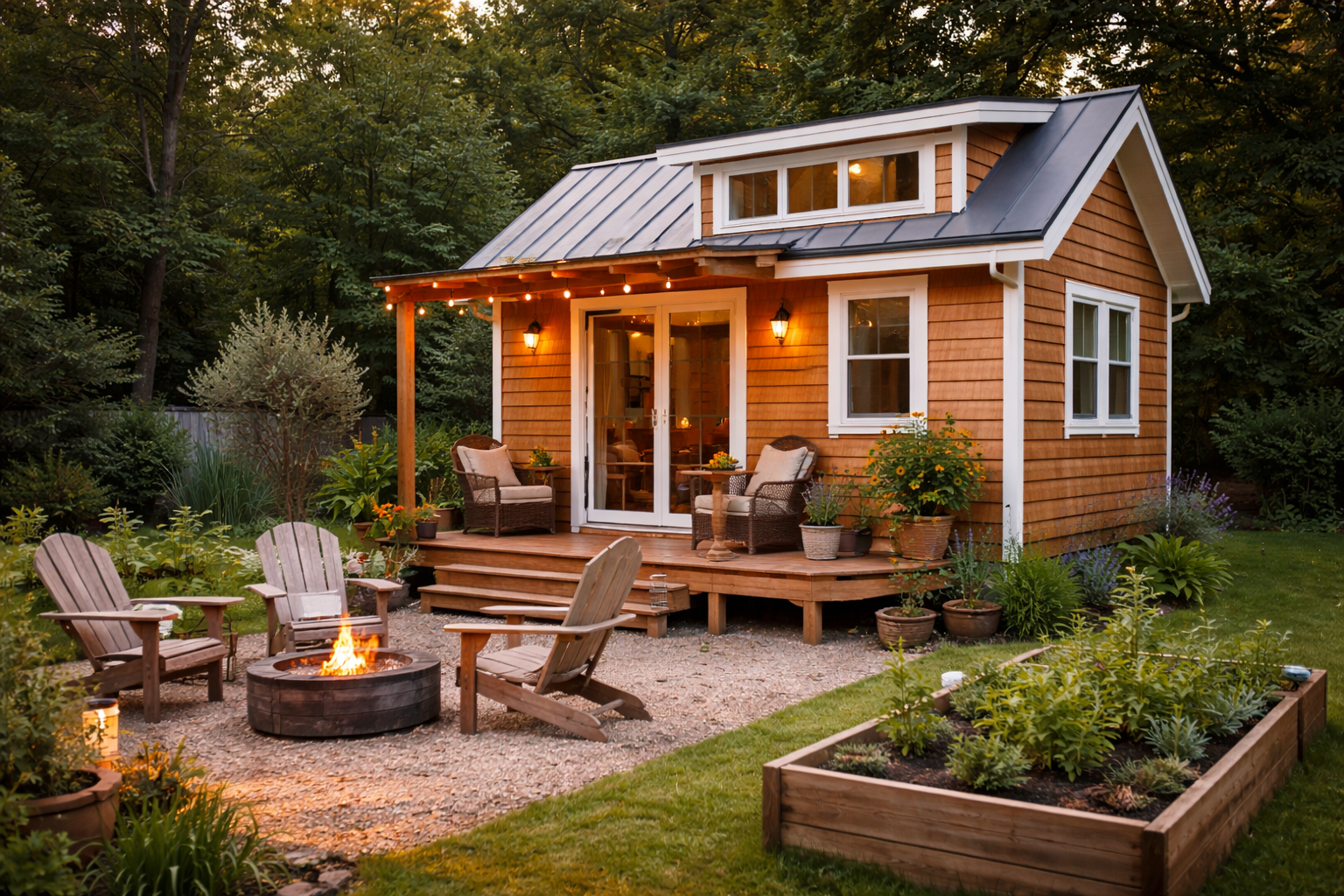
Small housing refers to residential spaces that are intentionally designed to be compact while still meeting the essential needs of modern living. These homes typically range from tiny houses of under 400 square feet to small apartments or compact urban homes that prioritize efficiency over excess space.
The concept emphasizes quality over quantity. Instead of focusing on large square footage, small housing focuses on intelligent design, practical layouts, and minimal clutter. Residents often adopt a simplified lifestyle that reduces unnecessary possessions and maximizes the use of every available inch of living space.
Small housing can take many forms, including tiny houses, micro-apartments, compact townhouses, and modular homes. Despite their size, these homes can provide comfortable living environments when designed thoughtfully.
Why Small Housing Is Becoming Popular
One of the biggest reasons behind the rise of small housing is affordability. In many cities around the world, property prices have increased significantly, making traditional homes difficult for many people to purchase or rent. Smaller homes provide a more accessible entry point into the housing market.
Another factor is changing lifestyle preferences. Younger generations often prioritize experiences, mobility, and financial flexibility over large homes filled with possessions. Compact housing allows people to spend less on housing costs and more on travel, hobbies, and personal goals.
Environmental awareness also plays a role. Smaller homes typically require fewer construction materials, less energy for heating and cooling, and reduced resource consumption. This makes small housing an attractive option for people who want to live more sustainably.
The Role of Smart Design in Small Housing
One of the most fascinating aspects of small housing is the creative design strategies used to maximize space. Architects and interior designers use a variety of techniques to make compact homes feel comfortable and functional.
Open floor plans are a common feature in small housing. By eliminating unnecessary walls, designers create a sense of openness that makes spaces feel larger than they actually are. Large windows and natural lighting also help expand the visual space.
Another important strategy is vertical design. Shelving, loft sleeping areas, and elevated storage solutions allow homeowners to use vertical space effectively. This approach helps free up floor space while maintaining organization and practicality.
Through smart design, even very small homes can provide all the essential features of larger houses.
Multi-Functional Furniture and Space Efficiency
Furniture plays a crucial role in making small housing practical. Many compact homes rely on multi-functional furniture that serves more than one purpose.
Examples include sofa beds that transform into sleeping areas, foldable dining tables that can be stored when not in use, and storage beds with built-in drawers underneath. Wall-mounted desks and fold-down tables are also popular in small apartments.
These solutions help residents maximize available space without sacrificing comfort. By using adaptable furniture, a single room can easily function as a living room, workspace, dining area, and bedroom.
The ability to transform spaces quickly is one of the key advantages of modern compact living.
Small Housing and Sustainable Living
Small housing often aligns closely with sustainability principles. Because compact homes require fewer resources, they can significantly reduce a household’s environmental footprint.
Energy consumption tends to be lower in smaller homes. Heating, cooling, and lighting require less energy compared to large houses. Many small housing projects also incorporate eco-friendly features such as solar panels, energy-efficient appliances, and sustainable building materials.
Water usage and waste generation may also decrease when living in a smaller home. Residents often become more mindful of consumption and adopt habits that support environmental conservation.
For people interested in sustainable living, small housing offers a practical and impactful lifestyle choice.
Urban Living and the Rise of Micro-Apartments
Cities around the world have embraced small housing as a solution to housing shortages and increasing urban populations. Micro-apartments, which are compact living units designed for efficiency, have become common in major metropolitan areas.
These apartments often include built-in storage, foldable furniture, and flexible layouts that make small spaces highly functional. Although the size may be limited, modern design allows residents to live comfortably within compact environments.
Urban planners often view micro-apartments as a way to increase housing availability without expanding city boundaries. By building upward rather than outward, cities can accommodate more residents while preserving surrounding land.
Financial Benefits of Small Housing
Financial advantages are one of the strongest motivations for choosing small housing. Smaller homes generally cost less to purchase or rent compared to larger properties.
Lower housing costs mean reduced mortgage payments, smaller utility bills, and less spending on maintenance and repairs. For many homeowners, this translates into greater financial stability and the opportunity to save money or invest in other areas of life.
Additionally, smaller homes often require fewer furnishings and decorations. This can significantly reduce the initial cost of setting up a living space.
For people seeking financial freedom or a simplified lifestyle, compact housing can be an appealing solution.
The Minimalist Lifestyle and Small Housing
Small housing often goes hand in hand with minimalist living. Minimalism encourages people to focus on what truly matters by reducing clutter and unnecessary possessions.
Living in a small home naturally encourages this mindset. Limited storage space makes it important to keep only essential items, leading to more intentional consumption habits.
Many people who adopt small housing report feeling less stressed and more organized. A simplified living space can make it easier to maintain cleanliness, reduce distractions, and focus on meaningful activities.
The combination of small housing and minimalism has become a popular lifestyle trend around the world.
Challenges of Living in Small Housing
Despite its many benefits, small housing does present some challenges. Limited space can require adjustments, especially for people who are used to larger homes.
Privacy can be a concern when multiple people share a compact living space. Careful planning and thoughtful design are often necessary to create comfortable areas for different activities.
Storage is another common challenge. Residents must find creative ways to store belongings while maintaining an uncluttered environment.
However, many people find that these challenges become easier to manage over time as they adapt to more efficient living habits.
Small Housing for Families and Communities
While small housing is often associated with individuals or couples, it can also work for families when designed carefully. Some small homes include loft sleeping areas, modular furniture, and flexible spaces that accommodate children and shared activities.
Community-focused small housing developments have also gained popularity. These developments may include shared gardens, communal kitchens, or recreational spaces that encourage interaction among residents.
This approach combines the efficiency of compact homes with the benefits of community living, creating supportive and socially connected environments.
The Future of Small Housing
The future of small housing looks promising as housing markets continue to evolve. Urban populations are growing, environmental awareness is increasing, and many people are seeking simpler lifestyles.
Advancements in architecture, construction technology, and modular design are making small homes more versatile and comfortable than ever before. Innovations such as prefabricated homes, smart home technology, and flexible living spaces are helping redefine what compact living can look like.
Governments and urban planners are also exploring small housing as part of broader strategies to address housing shortages and affordability challenges.
As a result, compact homes may play an increasingly important role in the global housing landscape.
Conclusion
Small housing represents a modern approach to living that prioritizes efficiency, sustainability, and thoughtful design. By focusing on smart layouts, multi-functional furniture, and minimalist lifestyles, compact homes can provide comfortable living environments without the need for large spaces.
The growing popularity of small housing reflects broader changes in society, including rising housing costs, environmental concerns, and shifting lifestyle priorities. While compact living may not suit everyone, it offers a practical and innovative solution for many people seeking affordable and flexible housing options.
As design trends continue to evolve, small housing is likely to remain an important and influential part of the future of residential living.