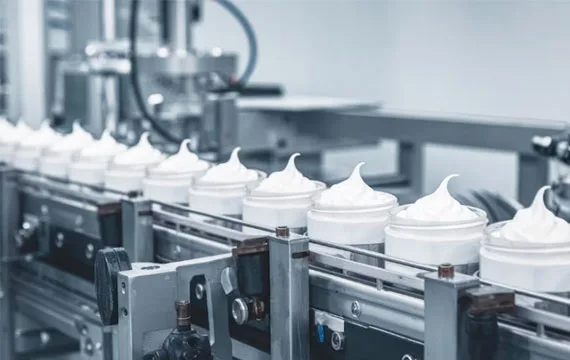
In the personal care industry, producing and packaging conditioner efficiently and consistently is essential for meeting consumer demand and maintaining high-quality standards. A conditioner filling machine offers a streamlined solution, automating the process of filling bottles, jars, and other containers with conditioner. This machine ensures precision, reduces wastage, and improves production speed, making it a valuable asset for any conditioner manufacturer.
What is a Conditioner Filling Machine?
A conditioner filling machine is a specialized piece of equipment designed to automate the process of filling containers with conditioner. It is capable of handling different viscosities, from liquid to semi-solid formulations. This machine is equipped with advanced technology to fill containers with consistent and precise amounts of conditioner, eliminating manual errors and speeding up the production process.
How Does a Conditioner Filling Machine Work?
The operation of a conditioner filling machine typically involves several stages, ensuring that each container is filled to the desired level while maintaining product integrity. Here’s an overview of how the machine works:
1. Product Preparation
The conditioner formulation is prepared and loaded into the machine’s hopper. The hopper holds the product and feeds it into the filling mechanism. Depending on the viscosity of the conditioner, it may be mixed or heated to the optimal consistency.
2. Filling Process
Once the conditioner is ready, the machine dispenses the product into the containers. The filling nozzles are equipped with accurate pumps or pistons to ensure the correct amount of product is dispensed into each container. The machine can adjust to handle different container sizes, whether you’re filling large bottles or small travel-sized containers.
3. Capping and Sealing
After filling, the containers are moved to the capping station, where caps are automatically placed on the bottles. This ensures that each container is sealed securely, preventing leaks and contamination. Some machines also include a labeling system to apply the product’s branding and information directly on the containers.
4. Quality Control
A conditioner filling machine often includes built-in quality control features, such as weight checks or volume measurements, to ensure that the correct amount of conditioner is dispensed into each container. This minimizes errors and ensures consistency across all products.
Benefits of Using a Conditioner Filling Machine
Implementing a conditioner filling machine offers numerous advantages, particularly when scaling up production or looking to improve efficiency. Here are the key benefits:
1. Precision and Accuracy
A conditioner filling machine ensures that each container is filled with the exact amount of product. This eliminates manual errors that can result in underfilling or overfilling, ensuring consistency in every bottle and maintaining consumer trust.
2. Increased Production Speed
Automating the filling process with a machine allows for faster production. The machine can fill hundreds or even thousands of containers per hour, significantly increasing the speed of production compared to manual methods.
3. Cost Savings
While the initial cost of a conditioner-filling machine may be higher, the long-term savings are significant. With reduced labor costs, minimized product wastage, and increased efficiency, businesses can achieve a more cost-effective production process.
4. Hygiene and Safety
A conditioner filling machine reduces the amount of human intervention in the filling process, thereby minimizing the risk of contamination. The machine operates in a clean, controlled environment, ensuring that the conditioner is filled safely and hygienically.
5. Versatility
These machines are versatile and can handle a variety of container sizes and types. Whether you’re filling plastic bottles, glass jars, or travel-sized tubes, the conditioner filling machine can be adjusted to meet your specific production needs.
Types of Conditioner Filling Machines
There are various types of conditioner filling machines, each designed to handle different formulations and container types. Below are some of the most common types:
1. Piston Filling Machines
Piston filling machines are ideal for thicker formulations like conditioners. They use a piston mechanism to draw the product and then dispense it into the container. These machines offer high precision and are perfect for products with higher viscosity.
2. Pump Filling Machines
Pump filling machines use a pump system to transfer conditioner from the hopper to the containers. These are commonly used for both liquid and semi-liquid conditioners. They are easy to operate and can handle a range of container sizes.
3. Overflow Filling Machines
Overflow filling machines are designed to fill containers to a consistent level, regardless of the product’s viscosity. These machines are typically used for thinner conditioners and are ideal for products that require precise fill levels across all containers.
4. Gravity Filling Machines
Gravity filling machines rely on the natural force of gravity to fill containers. These machines are commonly used for liquid conditioners that have low viscosity. Gravity fillers are simple and cost-effective, making them ideal for smaller-scale operations.
5. Vacuum Filling Machines
Vacuum filling machines are used for sensitive conditioner formulations that require minimal exposure to air. These machines create a vacuum inside the container to fill it, preventing air from mixing with the product and preserving the conditioner’s quality.
Why Invest in a Conditioner Filling Machine?
Investing in a conditioner filling machine is a wise decision for businesses looking to scale their production and improve operational efficiency. Here’s why you should consider adding one to your manufacturing process:
1. Improved Efficiency and Speed
With automation, production times are dramatically reduced, allowing businesses to meet high-volume demands without sacrificing quality. The speed at which these machines can operate helps businesses stay ahead of the competition.
2. Consistent Product Quality
The conditioner filling machine ensures that each container is filled with the same amount of product, ensuring consistent quality across every unit. This is essential for maintaining customer satisfaction and brand reputation.
3. Lower Labor Costs
Manual filling is labor-intensive, and hiring a large workforce for packaging can become costly. With automated filling, businesses can reduce labor costs while improving overall production capacity.
4. Reduced Product Waste
Overfilling and underfilling are common issues in manual processes that lead to product waste. A conditioner filling machine eliminates these issues, ensuring that every drop of conditioner is used efficiently.
Conclusion
A conditioner filling machine is a game-changer in the personal care industry, offering numerous benefits that can help manufacturers boost productivity, maintain product consistency, and reduce operational costs.
Whether you’re a small business or a large-scale producer, the versatility and efficiency of these machines make them an essential investment for any business looking to scale its operations and deliver high-quality products to consumers.