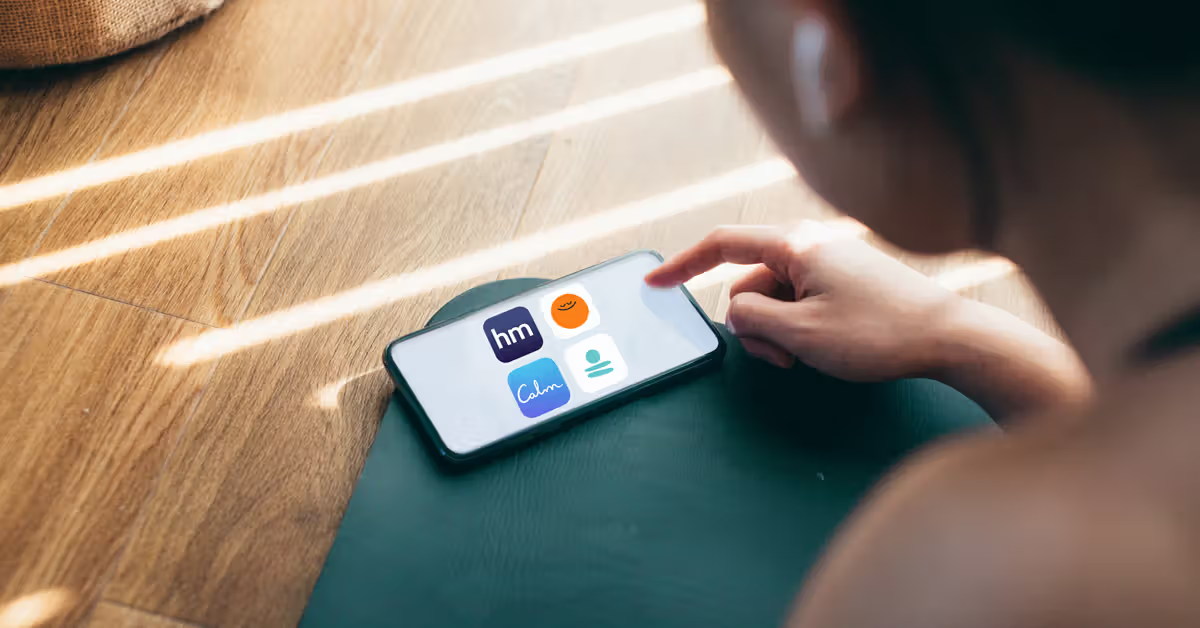
As smartphones become central to daily life, mental health care has evolved to meet users where they are—on their devices. For Android users, therapy apps offer a convenient, flexible, and increasingly effective way to access support. Whether you’re managing anxiety, dealing with stress, or exploring therapy for the first time, Android-based therapy apps provide powerful tools to help you take control of your mental well-being.
But with so many options available on the Google Play Store, how do you know which therapy apps are worth your time? This guide explores the key benefits of therapy apps for Android users and what makes them an essential part of modern mental health care.
Accessibility for a Global User Base
Android is the most widely used mobile operating system in the world, making therapy apps on this platform highly accessible. From urban centers to remote areas, Android devices are often more affordable and widely available than other smartphones.
This accessibility means that therapy apps can reach a broader audience, including individuals who may not have had access to traditional therapy. For users in underserved regions, Android therapy apps can serve as a critical gateway to mental health support.
Affordable Mental Health Solutions
Cost is one of the biggest barriers to seeking therapy. Traditional in-person sessions can be expensive, especially without insurance coverage. Therapy apps on Android often provide more affordable alternatives.
Many apps offer:
- Free versions with essential features
- Low-cost subscription plans
- Flexible payment options
This affordability allows users to explore mental health care without a significant financial commitment. It also makes ongoing support more sustainable over time.
Wide Variety of Therapy Apps
The Google Play Store hosts a vast range of therapy and mental health apps, catering to different needs and preferences. Whether you’re looking for guided meditation, cognitive behavioral therapy (CBT), or direct access to licensed therapists, there is likely an app designed for you.
Popular categories include:
- Therapy platforms with licensed professionals
- Self-guided mental health tools
- Meditation and mindfulness apps
- Mood tracking and journaling apps
This diversity allows users to find solutions tailored to their specific mental health goals.
Flexible Communication Options
Many Android therapy apps offer multiple ways to communicate with therapists, providing flexibility that traditional therapy often lacks.
Common options include:
- Video sessions
- Voice calls
- Text-based chat
- Asynchronous messaging
For users who feel uncomfortable speaking face-to-face, messaging-based therapy can be a more approachable option. This flexibility helps users engage in therapy in a way that feels natural to them.
On-Demand Support Anytime, Anywhere
Mental health challenges can arise at any time, not just during scheduled appointments. Therapy apps provide on-demand support, allowing users to access tools and resources whenever they need them.
For example, users can:
- Practice breathing exercises during a panic attack
- Use guided meditations to manage stress
- Journal their thoughts in real time
This immediate access to support can be incredibly valuable, especially during moments of emotional distress.
User-Friendly Interfaces and Customization
Android apps are known for their customization options, and therapy apps are no exception. Many platforms allow users to personalize their experience based on their preferences and needs.
Customization features may include:
- Personalized therapy plans
- Adjustable notification settings
- Customizable dashboards
- Tailored content recommendations
These features make it easier for users to stay engaged and motivated throughout their mental health journey.
Integration with Daily Life
One of the biggest advantages of therapy apps is how seamlessly they fit into everyday routines. Android users can access mental health tools alongside other daily activities, making self-care more consistent and manageable.
Features like reminders and notifications encourage users to:
- Complete daily check-ins
- Practice mindfulness exercises
- Attend scheduled sessions
By integrating therapy into daily life, these apps help build healthy habits over time.
Privacy and Security Considerations
Privacy is a major concern when using mental health apps. Reputable Android therapy apps prioritize data security and user confidentiality.
Key features to look for include:
- Encrypted communication
- Secure login methods
- Transparent privacy policies
While Android offers strong security capabilities, it is important for users to choose apps that follow best practices in data protection.
Supporting a Range of Mental Health Needs
Therapy apps for Android are designed to address a wide variety of mental health concerns. Whether you’re dealing with anxiety, depression, stress, or relationship challenges, there are apps tailored to your needs.
Some apps specialize in specific areas, such as:
- Anxiety management
- Sleep improvement
- Stress reduction
- Emotional resilience
Others provide comprehensive support through licensed therapists and structured programs.
Encouraging Consistency and Progress
Consistency is essential for improving mental health, and therapy apps help users stay on track. Features like progress tracking and goal setting allow users to monitor their development over time.
By visualizing progress, users can:
- Stay motivated
- Identify improvements
- Adjust their approach when needed
This sense of progress reinforces positive behaviors and encourages long-term commitment.
Ideal for First-Time Therapy Users
For individuals new to therapy, Android apps provide a low-pressure introduction to mental health care. Users can start with self-guided tools before transitioning to sessions with licensed professionals.
This gradual approach helps reduce anxiety around starting therapy and allows users to build confidence at their own pace.
Limitations to Consider
While therapy apps offer many benefits, they are not a complete replacement for traditional therapy in all cases. Some users may prefer in-person interaction, which can provide a deeper sense of connection.
Additionally, severe mental health conditions may require more intensive care than what an app can provide. It is important to assess your needs and seek professional help when necessary.
The Future of Therapy Apps on Android
As technology continues to advance, therapy apps on Android are becoming more sophisticated. Innovations such as AI-driven recommendations, real-time emotional analysis, and integration with wearable devices are enhancing user experiences.
These developments are making mental health care more proactive, personalized, and effective.
Conclusion
Therapy apps for Android users are transforming the way people access mental health support. By offering affordability, flexibility, and a wide range of features, these apps make it easier than ever to prioritize mental well-being.
Whether you’re just starting your mental health journey or looking for additional support, Android therapy apps provide a practical and accessible solution. In a world where convenience and accessibility matter, these apps are helping bring mental health care within reach for everyone.