Introduction
If you’ve ever checked the forecast and noticed days of rain, clouds, or unsettled weather that just won’t move, chances are a stationary front is responsible. Understanding what stationary fronts bring is essential for anyone who wants to interpret weather patterns accurately and prepare for changing conditions.
Unlike fast-moving weather systems, stationary fronts can linger over a region, delivering extended weather impacts that range from light drizzle to heavy storms. In this article, we’ll break down exactly what stationary fronts bring, how they affect forecasts, and why they matter more than most people realize.
What Is a Stationary Front?
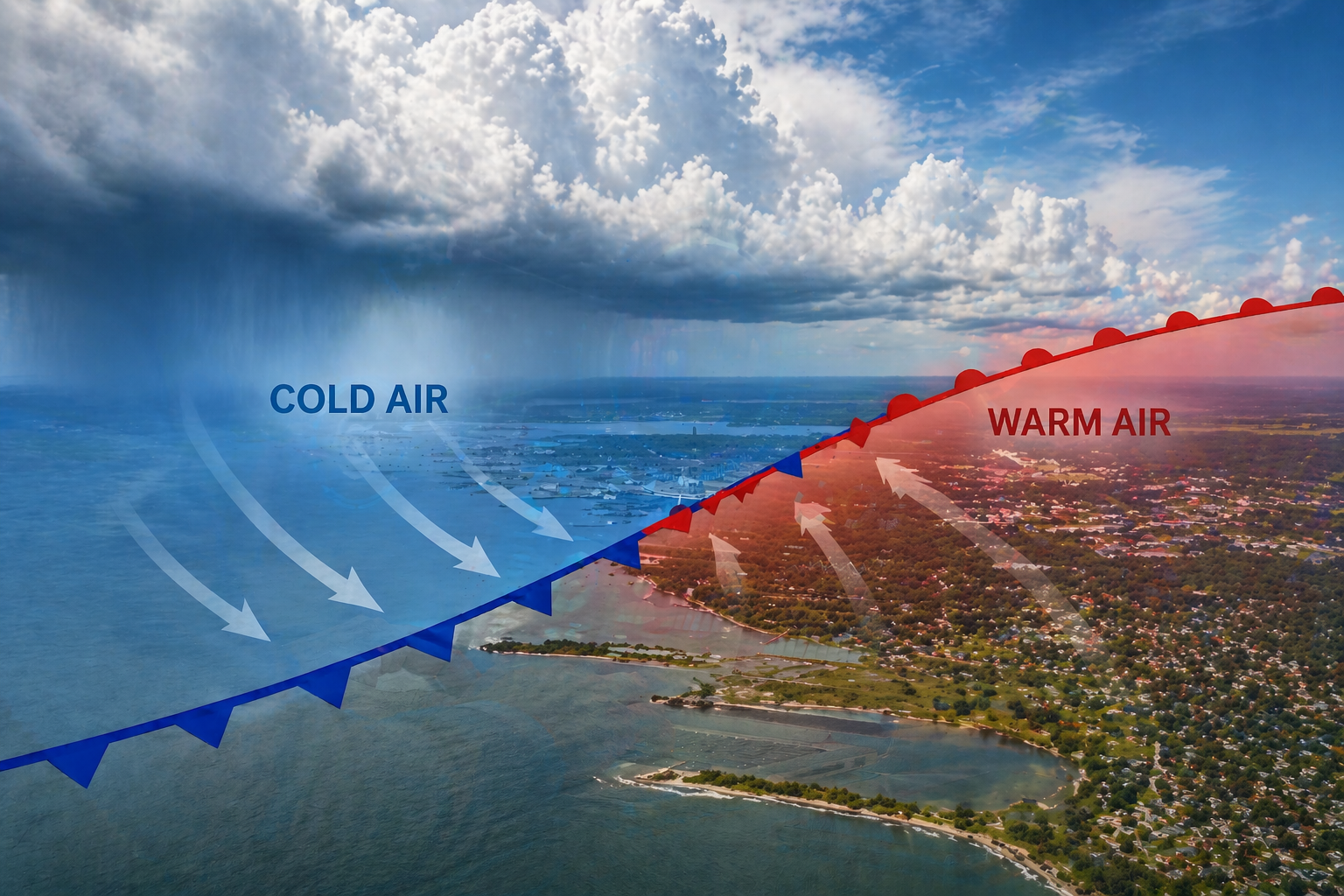
A stationary front is a boundary where two different air masses—typically one warm and one cold—meet but neither has enough strength to push the other away .
Because neither air mass dominates, the front remains nearly still, sometimes lasting for several days . This lack of movement is what makes stationary fronts unique—and often responsible for persistent weather conditions.
What Do Stationary Fronts Bring?
Stationary fronts are known for producing a wide range of weather conditions, often combining features of both warm and cold fronts.
1. Persistent Cloud Cover
One of the most common things stationary fronts bring is long-lasting cloudiness. Because warm air is continuously lifted over cooler air, clouds form and remain in place for extended periods.
This results in gray, overcast skies that can last for days rather than hours.
2. Continuous Rain or Snow
Stationary fronts frequently bring prolonged precipitation, including rain, drizzle, or snow. In many cases, this precipitation is steady rather than intense, but it can last much longer than typical weather systems .
If moisture levels are high, rainfall can become heavy and persistent, especially in low-pressure environments .
3. Temperature Contrast Across Regions
Another key feature of stationary fronts is the sharp temperature difference on either side of the boundary.
You may experience:
- Warmer, humid air on one side
- Cooler, drier air on the other
This contrast can create noticeable weather differences even across short distances .
4. Fog and Reduced Visibility
Stationary fronts often bring fog, especially when warm, moist air moves over cooler surfaces.
This can lead to:
- Reduced visibility
- Travel delays
- Hazardous driving conditions
Fog is particularly common during early mornings and evenings when temperature differences are more pronounced.
5. Thunderstorms and Heavy Rainfall
While stationary fronts are often associated with steady weather, they can also trigger thunderstorms and intense rainfall under the right conditions.
When warm, moist air continues rising along the boundary, it can create unstable conditions that lead to storms. In some cases, repeated storms can occur over the same area, increasing the risk of flooding .
Why Stationary Fronts Cause Persistent Weather
The main reason stationary fronts bring prolonged weather is simple: they don’t move.
Because the boundary between air masses stays in place:
- Warm air keeps rising over cold air
- Clouds continue forming
- Precipitation persists
This process can repeat for days, leading to what meteorologists call “prolonged or stalled weather patterns” .
Hidden Weather Impacts of Stationary Fronts
Beyond the obvious rain and clouds, stationary fronts can have several hidden impacts that are often overlooked.
Flooding Risks
When rain continues over the same area for days, it can lead to serious flooding. This is especially dangerous in regions with poor drainage or already saturated soil.
Agricultural Effects
Stationary fronts can both help and harm agriculture:
- Steady rain may benefit crops
- Excess moisture can damage plants or delay harvesting
Farmers often monitor these fronts closely to manage risks.
Infrastructure and Urban Challenges
Extended weather conditions can strain infrastructure, including:
- Road systems
- Drainage networks
- Power systems
Flooding and water buildup can disrupt daily life and business operations.
Health and Lifestyle Impacts
Persistent cloudy and wet conditions can affect:
- Mood and mental well-being
- Outdoor activities
- Daily routines
This is why stationary fronts often feel more disruptive than short-lived storms.
How Stationary Fronts Affect Weather Forecasts
When meteorologists detect a stationary front, they often predict:
- Several days of similar weather
- Increased chances of precipitation
- Limited temperature changes
Because stationary fronts move slowly or not at all, forecasts tend to remain consistent over multiple days .
This is why you might see repeated forecasts like “cloudy with rain” for several consecutive days.
Stationary Front vs Other Weather Fronts
To better understand what stationary fronts bring, it helps to compare them with other fronts.
Cold Front
- Moves quickly
- Brings sudden storms and temperature drops
Warm Front
- Moves slowly
- Brings steady rain and warming temperatures
Stationary Front
- Barely moves
- Brings prolonged, mixed weather conditions
Stationary fronts often combine elements of both warm and cold fronts, resulting in varied and extended weather patterns .
Can Stationary Fronts Change Over Time?
Yes, stationary fronts are not permanent.
They can eventually:
- Turn into a cold front if cold air advances
- Become a warm front if warm air takes over
- Dissipate as temperature differences weaken
When this happens, weather conditions can change quickly after a long period of stability.
Real-World Examples of Stationary Front Effects
Stationary fronts are responsible for many real-world weather events, including:
- Multi-day rainstorms
- Extended cloudy periods
- Flooding caused by repeated rainfall
These events often occur in regions where warm and cold air masses frequently interact.
Why Understanding Stationary Fronts Matters
Knowing what stationary fronts bring can help you:
- Prepare for prolonged weather conditions
- Plan travel and outdoor activities
- Understand weather forecasts more accurately
In today’s world, where weather can impact everything from business to daily routines, this knowledge is more valuable than ever.
Tips for Staying Prepared
When a stationary front is in your forecast, consider the following:
- Monitor weather updates regularly
- Be cautious of flooding risks
- Plan for extended periods of rain or cloudiness
- Adjust travel plans if necessary
Preparation can help you minimize disruptions and stay safe.
Final Thoughts
So, what do stationary fronts bring? The answer is clear: persistent weather, extended precipitation, and sometimes hidden risks like flooding and storms.
While they may not seem as dramatic as hurricanes or tornadoes, stationary fronts can have a significant impact due to their duration and consistency. By understanding how they work and what they bring, you can better interpret forecasts and prepare for whatever the weather has in store.