Introduction
If you’ve ever experienced several days of cloudy skies, steady rain, or weather that seems “stuck,” you’ve likely encountered a stationary front. Understanding what weather a stationary front brings is key to interpreting forecasts and preparing for prolonged weather conditions.
Unlike fast-moving cold or warm fronts, a stationary front lingers over an area, creating extended periods of similar weather. These systems may not always be dramatic, but their persistence can have significant impacts on daily life, travel, and even safety. In this article, we’ll break down exactly what weather a stationary front brings, why it happens, and how it affects your forecast.
What Is a Stationary Front?
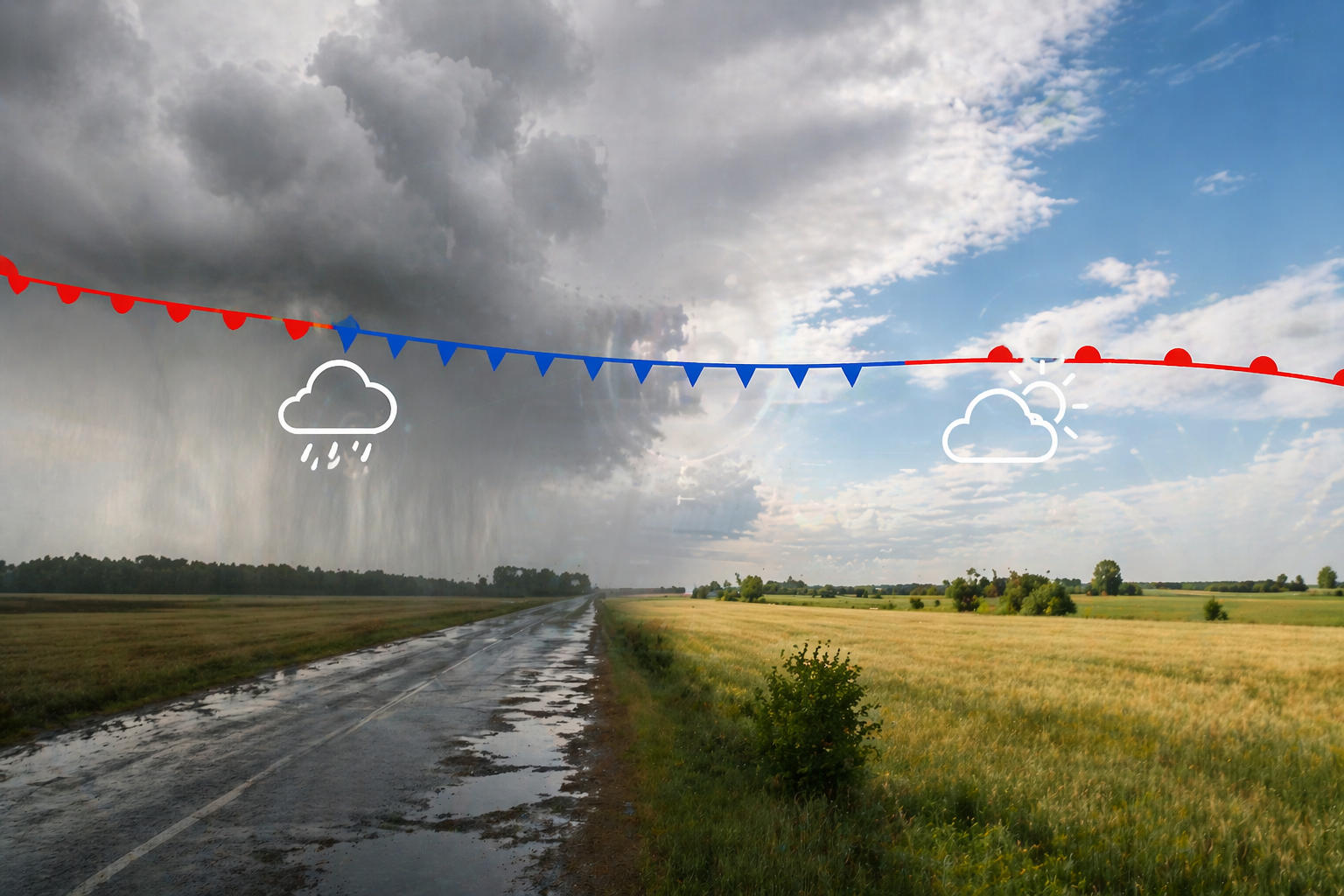
A stationary front is a boundary between two air masses—usually one warm and one cold—where neither air mass is strong enough to move the other .
Because the forces are balanced, the front remains nearly still, sometimes lasting for several days . This lack of movement is what leads to the prolonged and consistent weather patterns associated with stationary fronts.
Why Stationary Fronts Produce Long-Lasting Weather
The defining feature of a stationary front is its lack of movement. Instead of passing through quickly, it stays in one place while atmospheric processes continue along the boundary.
Warm air is continuously forced to rise over cooler air, leading to ongoing cloud formation and precipitation . Because this process repeats over the same location, the resulting weather can last much longer than typical weather systems.
What Weather Does a Stationary Front Bring?
Stationary fronts are known for producing a mix of weather conditions, often combining characteristics of both warm and cold fronts.
Persistent Rain and Drizzle
One of the most common answers to what weather a stationary front brings is long-lasting precipitation. This can include:
- Light rain
- Drizzle
- Occasional heavier rainfall
In some cases, precipitation can continue for days, especially when the air is moist and unstable .
Cloudy and Overcast Skies
Stationary fronts are strongly associated with extended cloud cover. As warm air rises over cooler air, it cools and condenses, forming layers of clouds.
This often results in gray, overcast skies that persist for long periods rather than clearing quickly .
Fog and Reduced Visibility
Another common weather feature is fog, especially when warm, moist air moves over cooler surfaces.
Fog can lead to:
- Poor visibility
- Travel disruptions
- Increased accident risks
This makes stationary fronts particularly important for transportation planning.
Temperature Differences Across the Front
Stationary fronts create a noticeable temperature contrast between regions.
You may find:
- Warmer, humid air on one side
- Cooler, drier air on the other
This difference exists because the front marks the boundary between two distinct air masses .
Snow in Colder Conditions
In colder climates or seasons, stationary fronts can bring prolonged snowfall instead of rain.
Like rainfall, this snow can persist for extended periods, leading to accumulation and potential travel hazards.
Thunderstorms and Heavy Rain
Although stationary fronts often produce steady weather, they can also trigger thunderstorms when atmospheric conditions become unstable.
Repeated storms may pass over the same area, increasing the risk of heavy rainfall and flooding .
The Role of Moisture in Stationary Front Weather
Moisture plays a crucial role in determining what weather a stationary front brings.
- High moisture levels lead to heavier and more persistent rainfall
- Lower moisture levels may result in light drizzle or cloudy skies
When warm air contains significant moisture, it can produce intense precipitation as it rises and cools along the front .
Hidden Impacts of Stationary Front Weather
While stationary fronts may seem less dramatic than storms or hurricanes, their long-lasting nature can create serious impacts.
Flooding Risks
Prolonged rainfall is one of the biggest dangers. When rain continues over the same area for days, it can overwhelm drainage systems and lead to flooding.
Travel Disruptions
Persistent rain, fog, or snow can disrupt transportation, including:
- Road travel
- Flights
- Shipping operations
Agricultural Effects
Stationary fronts can have mixed effects on agriculture:
- Moderate rain may benefit crops
- Excessive moisture can damage plants or delay harvests
Daily Life Disruptions
Extended periods of cloudy, wet weather can impact routines, outdoor plans, and even mood.
How Stationary Fronts Influence Forecasts
When meteorologists identify a stationary front, they typically predict:
- Several days of similar weather conditions
- Continued chances of precipitation
- Minimal temperature changes
Because the front remains in place, forecasts tend to remain consistent over multiple days .
Stationary Front vs Other Weather Fronts
To better understand what weather a stationary front brings, it helps to compare it with other types of fronts.
Cold Front
- Moves quickly
- Brings sudden storms and temperature drops
Warm Front
- Moves slowly
- Brings steady precipitation followed by warming
Stationary Front
- Barely moves
- Brings prolonged, mixed weather conditions
Stationary fronts often combine features of both warm and cold fronts, leading to varied but persistent weather .
Can a Stationary Front Change Over Time?
Yes, stationary fronts are not permanent. Over time, they can:
- Dissipate as temperature differences fade
- Turn into a cold front if cold air advances
- Become a warm front if warm air gains strength
When this happens, weather conditions can shift quickly after a long period of stability.
Real-World Examples of Stationary Front Weather
Stationary fronts are responsible for many real-world weather events, including:
- Multi-day rainstorms
- Extended cloudy periods
- Flooding caused by repeated rainfall
These patterns are especially common in regions where warm and cold air masses frequently interact.
Why Understanding Stationary Fronts Matters
Knowing what weather a stationary front brings helps you:
- Plan ahead for prolonged weather conditions
- Prepare for potential flooding or disruptions
- Interpret forecasts more accurately
In a world where weather impacts travel, work, and safety, this knowledge is highly valuable.
Tips for Staying Prepared
When a stationary front is in your forecast:
- Monitor weather updates regularly
- Be aware of flood warnings
- Plan for extended periods of rain or cloudiness
- Adjust travel plans if needed
Preparation can make a big difference during prolonged weather events.
Final Thoughts
So, what weather does a stationary front bring? The answer is clear: persistent rain, cloudy skies, temperature contrasts, and long-lasting weather patterns that can stretch over several days.
While they may not always produce dramatic storms, stationary fronts have a powerful impact due to their duration. Understanding how they work allows you to better prepare, plan, and respond to changing weather conditions.