Introduction
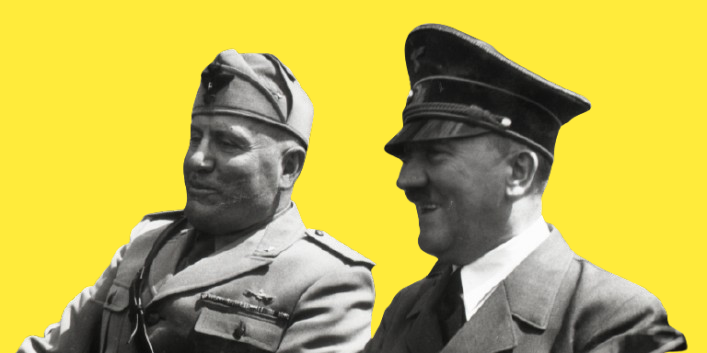
Fascisterne is the Danish word for “the fascists.” While the term is commonly associated with Denmark and the Danish language, it refers more broadly to individuals or groups who support fascist ideology. Understanding fascisterne requires looking beyond a simple translation and exploring the historical movements, political beliefs, and global consequences of fascism during the twentieth century.
The history of fascisterne is closely connected to the rise of fascism in Europe after World War I. Economic instability, political unrest, and social divisions created an environment in which authoritarian movements gained attention. Although fascist movements achieved power in some countries, they also caused immense destruction, making the study of fascisterne an important part of understanding modern history.
What Does Fascisterne Mean?
The word fascisterne comes from Danish, where it literally means “the fascists.” It is the plural definite form of the word fascist and is used to describe people who support or belong to fascist movements. The term originates from the Italian word fascisti, which was used for supporters of Benito Mussolini’s political movement.
Although the word itself is Danish, its meaning extends beyond Denmark. Today, fascisterne is commonly used in historical discussions about fascism, World War II, political extremism, and authoritarian governments.
The Origins of Fascism
Fascism first emerged in Italy following World War I. Europe was experiencing widespread economic hardship, unemployment, political violence, and public dissatisfaction with existing governments. Many citizens sought leaders who promised national strength, unity, and stability.
In 1919, Benito Mussolini established the Fascist movement in Italy. Within a few years, fascism became a ruling political force, influencing other nationalist movements throughout Europe. The ideology rejected liberal democracy while promoting centralized authority and extreme nationalism.
Core Ideology Behind Fascisterne
The beliefs associated with fascisterne were built around several core principles.
Extreme Nationalism
Fascist movements placed the nation above individual rights. Citizens were expected to prioritize national interests over personal freedoms.
Authoritarian Leadership
Fascisterne generally believed that one powerful leader should guide the nation with little or no political opposition. Democratic institutions were often viewed as weak or ineffective.
Suppression of Opposition
Political opponents, independent media, labor unions, and dissenting voices were frequently censored or suppressed under fascist governments.
Militarism
Military strength played a central role in fascist ideology. Armed forces were often glorified, while expansion through conquest was presented as a sign of national greatness.
State Control
Although private businesses sometimes continued operating, governments exercised extensive influence over economic planning, education, culture, and public life.
Why Fascism Became Popular
Several factors contributed to the rise of fascist movements during the early twentieth century.
Many European countries suffered severe economic crises after World War I. Inflation, unemployment, and poverty caused widespread frustration. At the same time, political instability weakened confidence in democratic governments.
Fascist leaders promised quick solutions. They promoted national pride, economic recovery, stronger military power, and social unity. Through organized propaganda, mass rallies, and charismatic leadership, they attracted supporters who believed authoritarian rule could restore order.
Fascisterne in Denmark
In Denmark, fascisterne were primarily associated with the National Socialist Workers’ Party of Denmark (DNSAP). Founded in 1930, the party was inspired by German National Socialism and sought to introduce similar political ideas in Denmark.
Despite receiving support from Nazi Germany during World War II, the Danish fascist movement remained relatively small. Most Danish citizens rejected fascism and instead supported democratic institutions or participated in resistance efforts during the German occupation. The DNSAP never achieved significant electoral success and remained a minority political movement throughout its existence.
Fascisterne During World War II
World War II became the defining period for fascist movements across Europe.
Germany, Italy, and several allied regimes attempted to expand their influence through military conquest. During this period, fascist governments imposed strict political control, restricted civil liberties, persecuted minority groups, and contributed to widespread human suffering.
Denmark was occupied by Nazi Germany in 1940. While some Danish fascisterne collaborated with the occupying authorities, the majority of the Danish population eventually supported resistance activities that opposed German rule.
The Fall of Fascist Governments
As World War II drew to a close, fascist governments across Europe collapsed.
Italy’s fascist regime ended in 1943, while Nazi Germany surrendered in 1945. After the war, many fascist organizations were dissolved, and leading figures faced criminal prosecution or imprisonment.
International efforts also focused on rebuilding democratic institutions and preventing similar authoritarian movements from gaining power again.
The Lasting Impact of Fascisterne
Although the organized fascist governments of World War II disappeared, their historical impact remains enormous.
Millions of lives were lost during the war, entire communities were displaced, and many countries experienced decades of political and economic recovery. The events associated with fascism influenced the creation of modern human rights agreements, international organizations, and stronger democratic safeguards.
Today, historians continue studying fascisterne to better understand how authoritarian ideologies develop and why democratic societies must remain vigilant against political extremism.
Common Misconceptions About Fascisterne
One common misunderstanding is that fascisterne only existed in Germany. In reality, fascist movements appeared in several European countries, including Italy, Spain, Hungary, Romania, and Denmark, although their influence varied greatly.
Another misconception is that every nationalist movement is fascist. Nationalism exists in many political forms, while fascism represents a specific authoritarian ideology characterized by dictatorial leadership, suppression of opposition, and extreme ultranationalism.
Some people also believe fascism disappeared completely after 1945. While the major historical regimes ended, scholars continue to study extremist political movements that borrow certain fascist ideas, making careful historical understanding essential.
Why Studying Fascisterne Still Matters
Learning about fascisterne helps people recognize the dangers of authoritarian politics, propaganda, political violence, and attacks on democratic institutions.
History demonstrates that economic crises, misinformation, fear, and social division can sometimes make extremist ideologies appear attractive. Understanding these historical lessons helps citizens value democratic participation, civil liberties, independent media, and respect for human rights.
Education about fascisterne is therefore not only about the past but also about protecting democratic societies in the future.
Key Facts About Fascisterne
- Fascisterne is Danish for “the fascists.”
- The term refers to supporters of fascist ideology.
- Fascism originated in Italy after World War I.
- Benito Mussolini founded the first fascist movement in 1919.
- Fascism emphasized authoritarian leadership, nationalism, and suppression of political opposition.
- Denmark’s main fascist organization was the DNSAP.
- Danish fascists never gained widespread public support.
- World War II marked both the rise and collapse of Europe’s major fascist regimes.
- The history of fascisterne remains important for understanding democracy, human rights, and political extremism today.
Conclusion
Fascisterne represents far more than a Danish word. It symbolizes one of the most significant political movements of the twentieth century and serves as a reminder of how authoritarian ideologies can influence societies during times of uncertainty. From its origins in post-World War I Italy to its limited presence in Denmark and its devastating consequences during World War II, the history of fascisterne offers valuable lessons that continue to shape political discussion today.
Studying fascisterne helps us better understand the importance of democratic institutions, freedom of expression, the rule of law, and respect for human rights. By examining history honestly and critically, future generations can better recognize the warning signs of authoritarianism and work toward preserving open and democratic societies.