Stumbling across something hazardous, whether it’s a rusting drum in an old garage, unlabelled containers in a storeroom, or fibrous ceiling tiles that look suspiciously old, tends to trigger the same instant panic. What is it? Can I move it? Am I going to get fined? The good news is that handling it correctly isn’t complicated. But getting it wrong, even out of ignorance, can be dangerous and land you in legal trouble. This guide walks you through exactly what to do, and when it’s time to call in help, professional hazardous waste clearance is closer and simpler than most people realise.
How Do You Actually Know If Something Is Hazardous?
Not everything that looks dodgy is legally classed as hazardous waste. But erring on the side of caution is always the right call because treating something as safe when it isn’t can cause real harm.
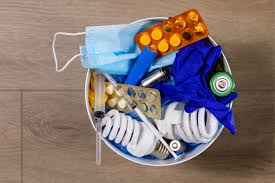
In the UK, hazardous waste covers anything containing substances that could seriously damage human health or the environment. That’s a broad category, and it includes plenty of everyday items people don’t always think twice about:
• Old paint, solvents, and varnishes
• Asbestos-containing materials (anything built or renovated before 2000 is a risk)
• Fluorescent light tubes and certain batteries
• Pesticides, weedkillers, and herbicides
• Engine oil, antifreeze, and fuel
• Electrical equipment with hazardous internal components
Can’t identify it? Don’t touch it. That’s the rule.
What Should You Do the Moment You Find It?
Resist the urge to move it, bag it up, or figure it out later. Here’s what to do in the first few minutes:
1. Leave it where it is: Certain materials, asbestos in particular, release harmful fibres the moment they’re disturbed. Chemical containers can spill, crack, or off-gas if moved without proper handling.
2. Ventilate the space: If you’re indoors, open windows and doors, then step out.
3. Keep the area clear: At work, that means telling your manager and restricting access immediately. At home, make sure children and pets stay well away.
4. Try to identify it from a safe distance: Labels, warning symbols, and the distinctive orange-and-black hazard diamond are all useful clues.
5. Don’t bin it: Putting hazardous waste in your household or commercial bins isn’t just irresponsible, it’s illegal.
Is It Illegal to Dispose of Hazardous Waste Yourself?
Yes, if you don’t follow the right process.
Under the Hazardous Waste Regulations (England and Wales) 2005, hazardous waste can only be handled, transported, and disposed of by licensed carriers. Pouring something down a drain, tipping it into general waste, or fly-tipping it is a criminal offence, full stop.
Businesses face the toughest obligations. Under the Environmental Protection Act 1990, companies have a legal duty of care: hazardous waste must be documented with a consignment note and removed by a licensed carrier. Get this wrong, and you’re looking at Environment Agency fines, potential prosecution, and for regulated industries, serious reputational damage.
Homeowners have slightly fewer formal requirements, but the disposal rules are the same. Most council-run household waste recycling centres won’t accept everything, and they definitely won’t take large quantities off your hands.
What Are Your Options for Getting It Removed Safely and Legally?
Once you’ve secured the area and have a rough idea of what you’re dealing with, you’ve got three realistic routes.
Council Household Waste Recycling Centres (HWRCs)
Some HWRCs accept small quantities of household hazardous waste, think leftover paint, car batteries, and used motor oil. Asbestos is almost always refused, and commercial volumes won’t be touched. Check your council’s website before making the trip.
Specialist Hazardous Waste Contractors
For anything serious, asbestos, large volumes of chemicals, or waste with specific Environment Agency codes, you’ll need a specialist. They’ll turn up with the right PPE, compliant packaging, and all the legal documentation required to move and dispose of the material safely.
A Professional Clearance Service
If the hazardous material is part of a bigger clear-out, a renovation, an office clean-up, a full property clearance, working with a company that handles hazardous waste disposal in London alongside standard rubbish removal saves a lot of back-and-forth. They can identify, separate, and handle hazardous items on-site in a single visit, which is often a lot simpler than managing multiple contractors.
What Are Your Responsibilities If It’s Found at Work?
Businesses carry a heavier burden here. If hazardous waste turns up at your premises, planned or not, your obligations kick in straight away.
Secure the area. Carry out a risk assessment. Tell your health and safety lead or facilities manager. After that, removal must go through a licensed waste carrier; your standard commercial bin collection won’t cut it, and using it anyway isn’t just wrong, it’s a legal liability. Consignment notes need to be kept for at least three years.
Failure to follow this process can mean fines from the Environment Agency, prosecution under the Environmental Protection Act, and significant damage to your business’s reputation. For London companies dealing with an unexpected hazardous discovery, especially alongside a larger office clear-out or fit-out, commercial waste clearance specialists can step in quickly, handle the waste stream separation, and manage the compliance documentation on your behalf.
How Do You Choose a Removal Company You Can Actually Trust?
Not every waste company is licensed to touch hazardous material, and using one that isn’t puts you in a worse legal position than handling it yourself.
Before you book anyone, check:
• They hold a current Waste Carrier Licence from the Environment Agency, verifiable on the EA’s public register
• They have direct experience with your specific type of waste, not just general rubbish removal
• They can issue consignment note documentation where legally required
• They carry public liability and environmental insurance
We Clear Junk has been providing professional waste clearance across London since 2006. Their team covers everything from routine household waste clearance to specialist hazardous material removal with the licensing, experience, and no-fuss process that takes the hard work off your hands.
FAQs About Hazardous Waste
- Can I put old paint tins in my wheelie bin?
No paint is classed as hazardous waste in the UK. Completely dried-out tins may be accepted at some recycling centres, but liquid paint needs to go to a designated facility or be collected by a licensed carrier. When in doubt, don’t bin it.
- What should I do if I find asbestos at home?
Stop, step back, and don’t disturb it. Asbestos is safest when left completely alone to damage it and you risk releasing fibres into the air, which is where the real danger lies. Seal off the area and contact a licensed asbestos removal contractor. This isn’t a DIY job under any circumstances.
- What is a waste consignment note?
It’s the legal paper trail that follows hazardous waste from your premises to its disposal point. It records what the waste is, who produced it, and where it’s being taken. Businesses are legally required to keep copies for three years, treat it like a contract, not a formality.
- Is there a difference between household and commercial hazardous waste in law?
Yes, and it matters. Businesses face stricter documentation and duty of care requirements under the Hazardous Waste Regulations. Households have fewer formal obligations, but the rules around licensed transport and compliant disposal apply to everyone. You can’t skip those regardless of who you are.
Finding hazardous waste, whether in an old garage, a rental property, or your office building, is unsettling. But it doesn’t have to be complicated. Don’t panic, don’t bin it, and don’t try to sort it out alone.
If you’re in London and need professional help managing a hazardous waste discovery alongside a larger clear-out, the team at We Clear Junk can help. With over 18 years of experience in London waste clearance, they handle everything from household waste clearance to specialist hazardous material removal safely, legally, and without stress.