Imagine being in a high-pressure situation where you need to make a quick decision. In moments like these, the outcome often depends on how fast and effectively you respond. While it may seem like some people are naturally good at this, quick response skills can actually be learned and improved by anyone.
These skills can make a big difference in emergency situations and can also help in everyday life. In this article, you will learn why quick response skills matter and how you can improve them.
With practice, you can become more confident and better prepared to handle any situation.
Understanding Emergency Awareness
Emergency awareness means knowing how to recognize and respond to possible emergency situations. It includes understanding basic emergency steps, knowing the risks involved, and staying calm when under pressure. Most people will face at least one emergency in their lifetime, so having quick response skills is very important.
A first step in building these skills is learning about different types of emergencies, such as medical situations, natural disasters, and accidents. Each type may require a different response, but the main idea is the same: being prepared can greatly improve the outcome.
Equip Yourself with Basic Response Training
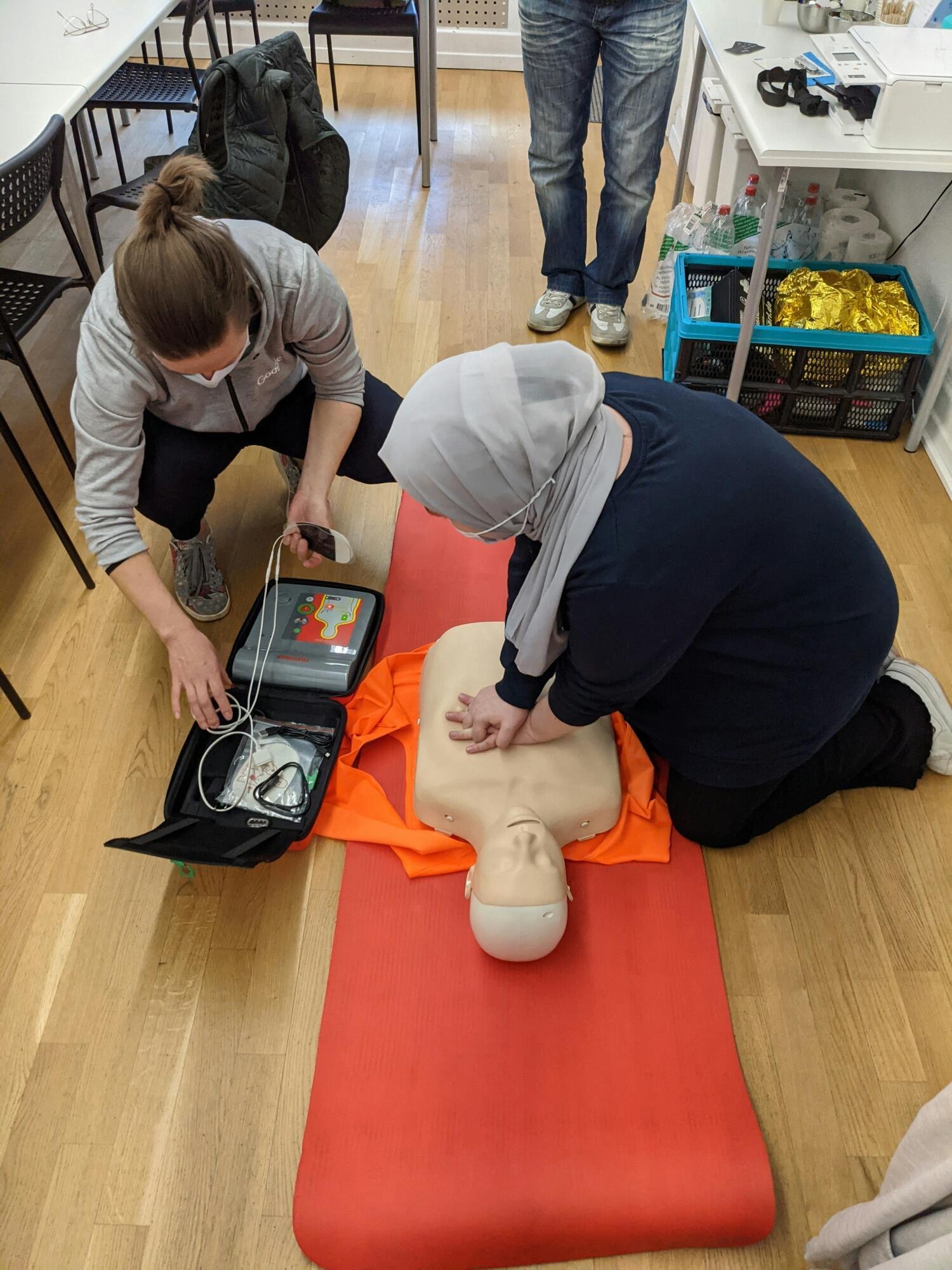
Basic response training is crucial for anyone who wants to enhance their emergency awareness. Courses in CPR, first aid, and basic firefighting techniques can be invaluable. For instance, communities that prioritize training often see lower fatality rates in emergencies.
Moreover, basic response training boosts confidence. When individuals know what to do in emergencies, they are more likely to take action rather than freeze up in fear. This willingness to act is often vital.
A website like https://cprcertificationnow.com, for instance, offer various courses to help people gain these critical skills. Accessibility to training allows more individuals to prepare effectively for emergencies.
Emergency Awareness in Everyday Life
Awareness of potential emergencies should extend beyond formal training. Everyday situations-like driving, participating in sports, or navigating crowded areas-can often lead to emergencies. By maintaining a heightened state of awareness, individuals can act swiftly when urgent situations arise.
The Role of Community in Emergency Readiness
Community plays a pivotal role in enhancing emergency awareness. By fostering a culture of preparedness, communities can create networks of support that offer rapid responses in times of crisis.
Community programs, local training sessions, and even neighborhood watch initiatives can build a robust framework for emergency response. Additionally, strong community ties encourage neighbors to check on one another. This ensures that vulnerable individuals are supported during emergencies.
Benefits of Quick Response Skills
Understanding and practicing quick response skills leads to numerous advantages:
- Increased Confidence
- Improved Outcomes
- Crisis Management
Additionally, being prepared can foster a sense of responsibility within oneself and towards others. When you feel equipped to help, you’re more likely to jump into action when it counts.
Emergency Awareness and Basic Response Training Can Improve Readiness
Being skilled in quick response is not just optional-it is important. You can start by joining a training course today. This may include CPR, first aid, or other emergency awareness training.
These courses can help you become more prepared for emergency situations. The skills you learn can help save a life, whether it is your own or someone else’s.
Looking for more tips and advice? You’re in the right place! Make sure to bookmark our page and come back to check out more interesting articles.