Introduction
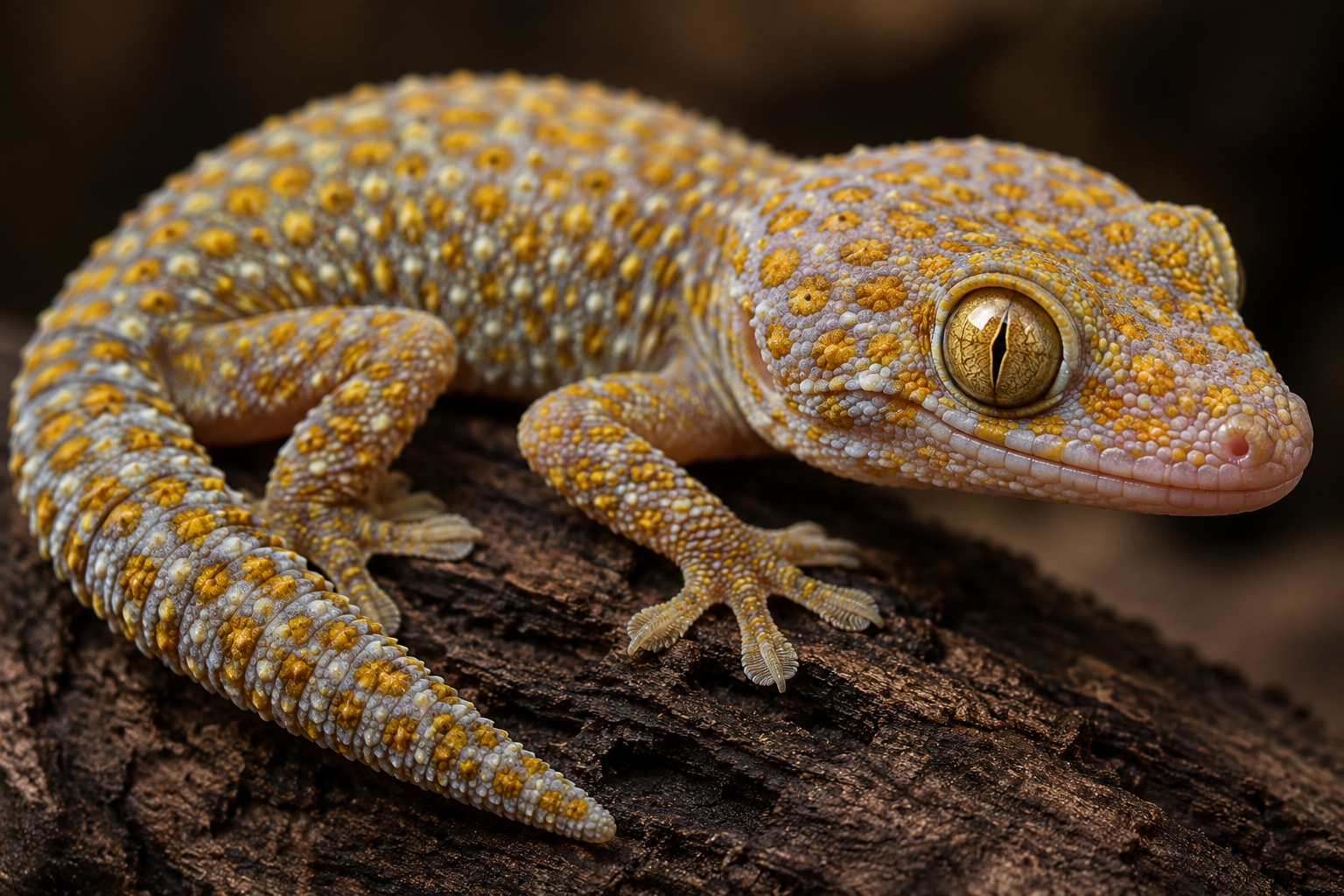
The term golden-spotted appears in biology, zoology, and everyday language to describe animals or organisms that display distinctive golden-colored spots or markings. From rare birds and reptiles to insects and fish, many species around the world carry the name because of their remarkable appearance. These natural patterns often serve important biological functions while also making the species visually striking.
If you’ve searched for golden-spotted, you may have encountered different animals sharing this descriptive label. This guide explores the meaning of the term, its origins, and several fascinating species that are known for their golden-spotted features.
What Does Golden-Spotted Mean?
The phrase golden-spotted is a descriptive adjective formed by combining the words “golden” and “spotted.” It simply refers to something that has gold-colored spots, markings, or speckles across its body or surface. Scientists and wildlife experts frequently use descriptive names like this to help identify species based on their physical appearance.
Unlike scientific names, common names such as golden-spotted make it easier for the public to recognize distinctive animals without needing specialized biological knowledge.
Why So Many Species Share the Name
Nature has produced countless animals with beautiful spotted patterns. When golden or yellow-colored markings stand out against darker backgrounds, researchers often include “golden-spotted” in the common name of the species.
This naming convention helps distinguish one species from another while highlighting one of its most recognizable physical characteristics.
The Golden-Spotted Ground Dove
One of the best-known examples is the golden-spotted ground dove, a bird native to parts of South America, including Peru, Bolivia, Chile, and Argentina. It is named after the iridescent golden spots visible on its folded wings, which make it easy to identify in its natural habitat.
Despite its attractive appearance, relatively little is known about its behavior compared to many other bird species, making it an interesting subject for ornithologists and wildlife enthusiasts.
The Golden-Spotted Tree Monitor
Another remarkable species carrying the name is the golden-spotted tree monitor, a rare monitor lizard found on Indonesia’s Waigeo Island. This arboreal reptile spends most of its life in trees and is recognized by its striking golden speckled body pattern.
Its beautiful coloration helps distinguish it from other tree monitor species while making it one of the most visually impressive reptiles in its habitat.
The Golden Spotted Thick-Toed Gecko
Southern Africa is home to the golden spotted thick-toed gecko, another species that displays golden markings across its body. These patterns provide camouflage among rocky environments while helping the animal blend into its surroundings.
Like many geckos, it is primarily nocturnal and relies on stealth to avoid predators while hunting insects.
Why Animals Develop Golden Spots
Golden spots are not simply decorative. In many species, these markings serve important biological purposes that improve survival.
Possible functions include:
- Camouflage among vegetation or rocks
- Mate attraction during breeding seasons
- Species recognition
- Predator avoidance
- Visual communication within groups
Evolution has shaped these patterns over thousands of years, allowing species to adapt to their environments more effectively.
Golden-Spotted Patterns in Nature
Golden-spotted markings appear across multiple animal groups, including birds, reptiles, amphibians, insects, and fish. Scientists use these patterns as one of many identifying characteristics when classifying wildlife.
Because coloration varies widely in nature, descriptive names based on appearance remain useful for researchers and wildlife observers around the world.
Habitat Diversity Among Golden-Spotted Species
Species described as golden-spotted occupy a wide variety of ecosystems. Some live in tropical rainforests, while others inhabit mountains, deserts, wetlands, or coastal regions.
The diversity of habitats demonstrates that golden spotting evolved independently across unrelated species, illustrating one of nature’s fascinating examples of convergent evolution.
The Role of Coloration in Survival
Animal coloration plays a major role in survival and reproduction. Golden spots may reflect sunlight, break up body outlines, or help individuals blend into dappled forest light.
In some species, brighter markings become more visible during courtship displays, helping attract potential mates while signaling health and genetic fitness.
Scientific Naming and Common Names
Scientists assign every species a unique scientific name based on biological classification. However, common names such as golden-spotted remain valuable because they are easier for the general public to remember and often describe obvious physical features.
This combination of scientific and descriptive naming helps improve communication between researchers, educators, and wildlife enthusiasts.
Why Golden-Spotted Species Fascinate People
Humans naturally appreciate unusual colors and patterns in wildlife. Golden-spotted animals often attract photographers, birdwatchers, reptile enthusiasts, and conservationists because their appearance stands out from surrounding species.
Their unique markings also make them popular subjects in documentaries, wildlife books, and educational programs that promote biodiversity awareness.
Conservation Importance
Many golden-spotted species inhabit fragile ecosystems threatened by habitat destruction, climate change, and human activity. Conservation efforts play an essential role in protecting these unique animals and preserving the biodiversity they represent.
Protecting forests, wetlands, and natural habitats ensures future generations can continue to observe these remarkable species in the wild.
Final Thoughts
The term golden-spotted represents far more than an attractive description. It identifies a wide range of fascinating species whose golden markings serve important biological functions while capturing human imagination. From South American ground doves to Indonesian tree monitors and African geckos, golden-spotted animals showcase the incredible diversity of life on Earth.
Whether you are interested in wildlife, biology, or simply curious about the meaning of the term, understanding golden-spotted species offers a deeper appreciation for nature’s remarkable creativity and evolutionary design.