Introduction
Home gardening and household waste reduction have both grown in the United States, and composting sits at the intersection of the two. Sending food scraps and yard trimmings to landfill wastes material that could enrich soil, while a backyard system turns that waste into a useful product. A stationary composter provides a fixed, enclosed container in which organic matter breaks down into compost. Gardeners, households, and community plots use these units to cut waste and produce a free soil amendment.
The Science of Composting
Composting is controlled biological decay. Bacteria, fungi, and other organisms consume organic material and break it into simpler substances, generating heat as they work. A well-managed pile can reach temperatures high enough to speed decomposition and reduce weed seeds and pathogens. The end product, finished compost, is a dark, crumbly material that improves soil structure and returns nutrients to the garden. Worms and other small creatures join the microbes in cooler piles, breaking the material down further. This mix of organisms is why a varied input usually composts better than a single material.
Carbon, Nitrogen, and the Right Mix
The organisms that drive composting need a balance of two inputs. Nitrogen-rich green materials, such as food scraps and fresh grass, supply protein, while carbon-rich brown materials, such as dry leaves and cardboard, supply energy and structure. Too much green turns slimy and smells, while too much brown breaks down slowly. Roughly balancing the two keeps the process active and largely odor-free.
Air and Moisture
Decomposition in a composter is aerobic, meaning the organisms need oxygen. Without air, the pile turns anaerobic and produces unpleasant smells. Turning or mixing the material introduces oxygen and speeds the process. Moisture matters too: the contents should feel like a wrung-out sponge, since material that is too dry stalls and material that is too wet excludes air. Mixing in coarse material such as small twigs helps air move through the pile and stops it from packing down.
Composter Design
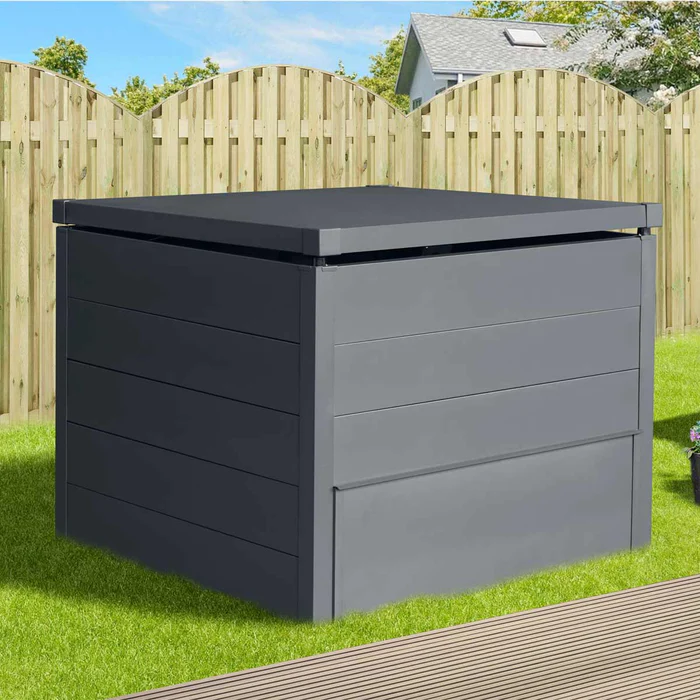
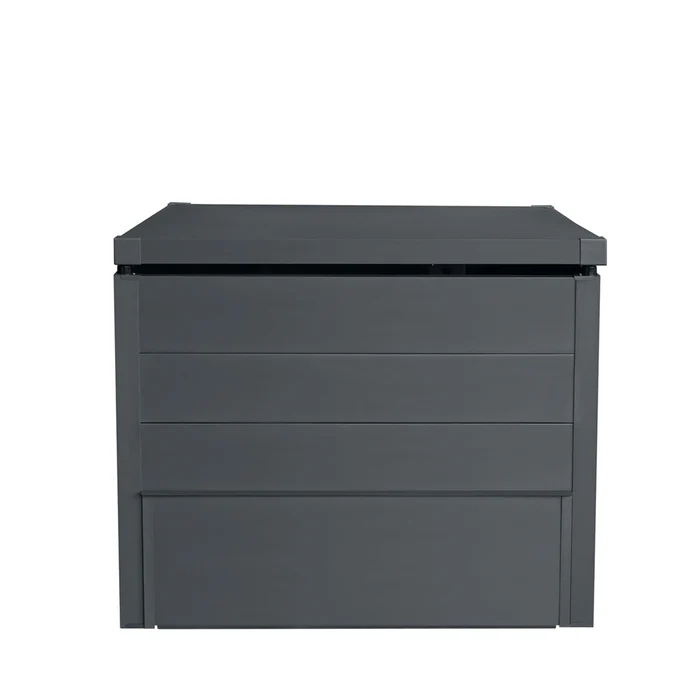
A stationary unit holds the material in one place rather than rotating it. A galvanized steel body with a powder-coated finish resists rust and weather better than bare metal or thin plastic, which supports a long service life outdoors. Ventilation openings admit the air the process needs, while a lid keeps rain and pests in check. Capacity should suit the volume of waste a household produces. A lower hatch or removable panel makes it easier to take finished compost from the bottom while fresh waste is added on top. Matching the capacity to seasonal peaks, such as autumn leaf fall, avoids overflowing.
What to Compost
A simple rule guides what goes in:
· Add fruit and vegetable scraps, coffee grounds, and eggshells
· Add dry leaves, straw, and shredded paper or cardboard
· Add grass clippings and plant trimmings
· Avoid meat, dairy, and oily foods that attract pests
· Avoid diseased plants and pet waste
The Composting Process
Once filled and balanced, the pile heats up as organisms become active, then cools as the material breaks down. Turning it periodically and keeping it moist keeps the process moving. Over weeks to months, depending on conditions, the contents shrink and darken into finished compost ready to mix into garden beds or containers. A simple thermometer can show whether the pile is heating, which signals that the balance and moisture are about right. Screening the finished material removes any large pieces, which can go back in for another cycle.
Safety and Maintenance
The points below are general guidance and do not replace the manufacturer’s instructions:
· Site the composter on level ground with some drainage
· Keep the lid secure to deter pests
· Turn the contents to maintain airflow
· Balance greens and browns to control odor
· Rinse and inspect the unit periodically
Advantages and Limitations
Advantages:
· Turns household and yard waste into soil amendment
· Galvanized, coated steel resists weather and rust
· Reduces landfill waste and disposal costs
· Enclosed design contains material and limits pests
Limitations:
· Requires periodic turning and monitoring
· The process slows in cold weather
· Stationary units are less convenient to empty than tumblers
· Poor balance can cause odor
Industry Outlook
As interest in sustainable gardening and waste reduction grows, garden composters are becoming a common feature of yards and community plots. Manufacturers are improving durability, ventilation, and ease of access. Buyers should match capacity and design to their waste volume and climate, since a unit suited to a small household will fill quickly for a larger garden, and cold regions may need more attention to keep the process active.