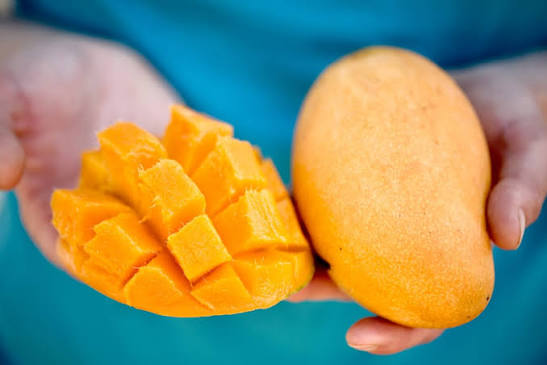
The moment mango season arrives, fruit lovers begin searching for flavours that remind them of home or introduce them to something new. Indian varieties have long been popular. But the Dominican mango is also earning attention for its vibrant taste, smooth texture and tropical character.
Due to its cultivation in the warm tropical climate of the Caribbean, this fruit comes with its own unique taste and flavour. Whether you want to try a completely new kind of mango or compare it with those from India that are commonly available in UK supermarkets, knowing their differences will make your experience much more delightful.
Where They Grow Shapes How They Taste
Each mango holds a bit of its place of origin within itself. The soil, climate and harvest season all help create a mango’s unique taste. That is why Dominican mango and Indian mangoes never taste exactly alike, even when they look similar from the outside.
- India’s Konkan coast– Laterite soil, tropical heat and monsoon rainfall give Alphonso and other Indian varieties their rich and creamy texture and deep and honey-like sweetness.
- The Dominican Republic’s fertile valleys– Mineral-rich volcanic soil, warm Caribbean temperatures and steady humidity create a fruit with a juicy bite and a brighter and more refreshing flavour.
- Different harvest calendars– Dominican mangoes are usually picked from spring to early summer and help UK retailers stock fresh mangoes when Indian supplies are more limited.
- The final taste tells the story– Indian mangoes often feel smooth, rich and dessert-like. A Dominican mango usually delivers a lively balance of sweetness with a gentle tang, making it taste lighter and fresher.
The growing conditions may stay behind in the orchard. But they leave a lasting mark on every bite.
Flavour and Texture Set Them Apart
Bite into either fruit, and you can find the difference quickly. Alphonso and Kesar mangoes give a dense and almost creamy flesh with minimal fibre. This is exactly why they are often eaten with a spoon straight from the skin. Dominican varieties, including the popular Haden and Keitt types grown for export, offer a firmer bite with a cleaner and more citrusy taste.
Fibre also plays a role. Indian mangoes are bred and selected over generations specifically for smoothness, useful for purees, lassis and desserts. Dominican mangoes include more fibre. This is usually best for slicing, grilling or adding to savoury salads where texture matters.
Seasonality Gives UK Shoppers More Options
The benefit of Dominican fruits in terms of practicality is the time factor. The period in which India exports its mangoes to UK stores is during April and June. This is a very brief period of time during which there are lots of premium quality fruits in the market. Once that window closes, buyers often settle for lower-grade imports or wait an entire year.
Dominican mangoes extend that availability. Their harvest and shipping schedule allows UK retailers to stock quality fruit later into the year. This gives customers a longer stretch of best mangoes rather than a brief seasonal rush followed by a long gap.
Price and Accessibility
Ever wondered why one mango costs more than another? It is not always about taste. Sometimes, it is simply the logistics. Alphonso mangoes need extra care because they are soft and delicate. Many are brought to the UK by air, and that adds to the final price.
Dominican mangoes can be transported by sea. They travel on regular Caribbean shipping routes, which helps reduce costs. So, the price may be lower, but the flavour remains juicy and fresh.
Which One Deserves A Spot In Your Fruit Bowl?
Each variety of mango possesses unique qualities. And the choice comes down to how you would like to enjoy them.
- Alphonso or Kesar – An ideal choice if you relish sweetness and creamy pulp or need to make mango shakes or traditional Indian desserts.
- Dominican mango – A good choice if you love juicy mango with a bit of tanginess. Also great for fruit salads, salsa or grilling.
The easiest way to decide? Buy a piece of both when in season, and you will get to know which one tastes better.
Closing Thoughts
Choosing between an Indian mango and a Dominican mango ultimately depends on what you value most, whether that is classic sweetness or a fresher and tangier profile with year-round reliability.
For buyers exploring these varieties and other authentic seasonal produce, Gayatri Store offers a thoughtfully curated selection worth discovering this season.