
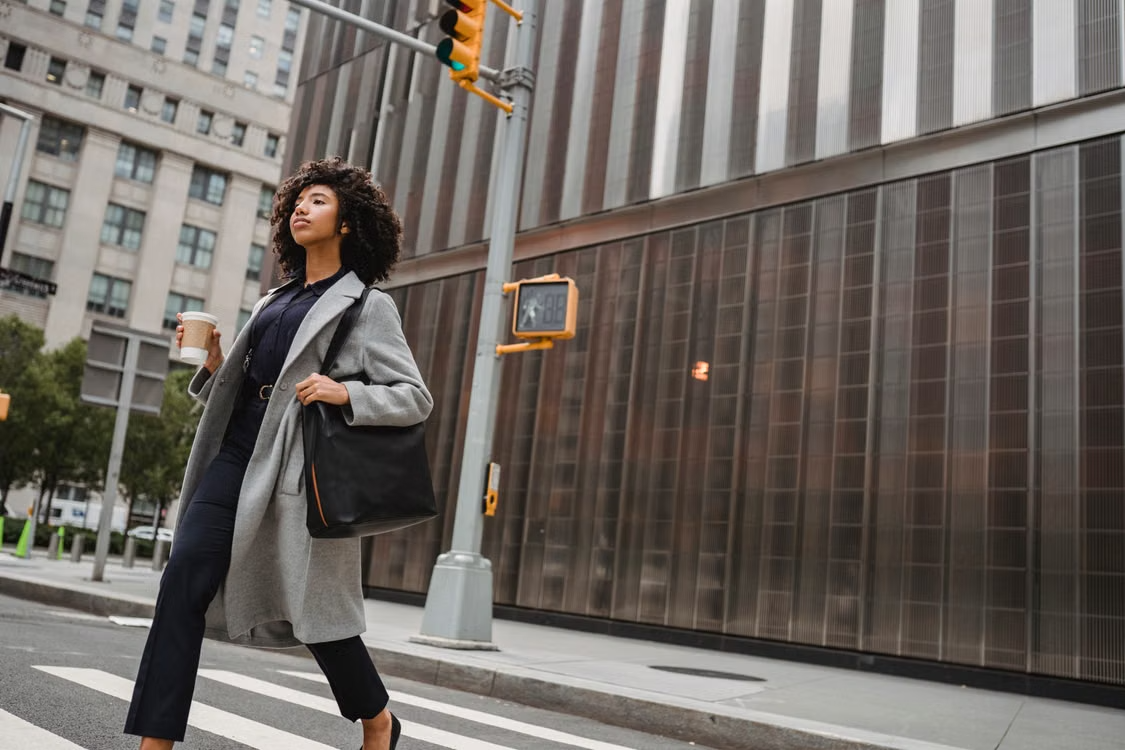
Commuting technology now shapes what professionals wear as much as office dress codes do. Folding e-bikes, shared cycles and compact electric transport can shorten urban trips, but they also introduce movement, changing temperatures and limited storage into the working day. Executive style has adapted accordingly. The most useful outfits combine a polished appearance with enough flexibility to handle a ride, a walk between transport links and several hours at a desk without demanding a complete change of clothes.
The Rise of Urban Micromobility
Short-distance transport is becoming more connected and practical. Current micromobility innovation includes smarter route planning, improved battery technology and vehicles designed around crowded urban streets. Meanwhile, shared transport trends show how docking systems and digital access are changing everyday travel.
This shift affects clothing choices. A ten-minute cycle from a station calls for freedom through the shoulders and knees, while an electric scooter commute may require a coat that stays secure in moving air. Lightweight layers also help you respond to the temperature difference between outdoor travel, public transport and a climate-controlled office.
Balancing Ergonomics and Boardroom Polish
A commuter-friendly outfit should support natural movement without appearing overly casual. Look for trousers with a shaped waistband and a small amount of stretch, as these remain comfortable when sitting or cycling. Jackets with back vents and flexible linings give your shoulders more room when carrying a bag.
Fit deserves close attention. Tight sleeves can restrict movement, while trousers that are too long may catch during a journey. Try each garment while seated and reach forwards as if holding handlebars or picking up a laptop case. Once you arrive, a structured jacket, clean neckline and coordinated colour palette can give flexible pieces the composed finish expected in meetings.
Investing in Adaptable Women’s Workwear
Build a small rotation around garments that can cover several parts of the day. A collection of womens workwear can provide inspiration for combining tailored trousers, blouses, skirts, dresses and jackets into a versatile office wardrobe. Start with two pairs of trousers, a dress, three tops and one jacket in colours that work together. This creates multiple combinations without filling your wardrobe or commuter bag.
Start with two pairs of trousers, a dress, three tops and one jacket in colours that work together. This creates multiple combinations without filling your wardrobe or commuter bag. Check how each item looks under natural light and office lighting, then consider its compatibility with flat shoes, ankle boots and more formal footwear. Adaptable pieces should also layer neatly, allowing you to remove a jumper or jacket without leaving the outfit unfinished.
Practical Fabrics Built for Transit
Read the care label before assessing colour or cut. Fabrics containing a modest amount of elastane tend to recover well after prolonged sitting, while tightly woven blends can resist creasing during a crowded train journey. Breathable materials such as cotton blends and lightweight wool help manage changes in temperature without adding bulk.
Comfort and flexibility matter when clothing needs to handle movement throughout the working day. This guide to stretch work trousers explores how fabric flexibility can improve comfort during long hours, reinforcing the value of choosing workwear that moves with you.
Test fabric recovery by gently scrunching a small section in your hand for several seconds. If deep creases remain, the garment may need attention after every commute. Darker mid-tones can disguise minor marks, though texture also helps. Keep delicate fabrics for low-movement days and choose machine-washable options for frequent wear. A removable layer offers another useful buffer between outdoor travel and your main office outfit.
Streamline Your Morning Routine
Prepare complete outfits instead of selecting individual pieces at 7 am. Check the forecast, your transport plan and the formality of your diary the night before. Place shoes, outerwear and accessories together so you can see whether the full combination works.
Keep a compact office kit containing a lint roller, stain-removal pen, deodorant and spare hosiery or socks. If storage allows, leave formal shoes and one neutral jacket at work. That reduces the weight carried on micromobility days and protects smarter items from poor weather.
The best test is a real commute. Wear a planned outfit on a normal working day and note any restricted movement, stubborn creasing or unnecessary layers. Those observations will produce a sharper, more useful wardrobe than appearance alone.


