An Electrical Safety Certificate used to be one of those documents people only thought about when something went wrong — a spark from a socket, a landlord dispute, or a mortgage lender asking awkward questions. That’s changed. With updated legislation covering rented property in England, and growing awareness of electrical fire risk more generally, this certificate has moved from “nice to have” to “essential paperwork” for a huge number of property owners.
Here’s a straightforward breakdown of what it covers, who legally needs one, and how to make sure you’re getting a proper inspection rather than a rushed sign-off.
What Is an Electrical Safety Certificate, Exactly?
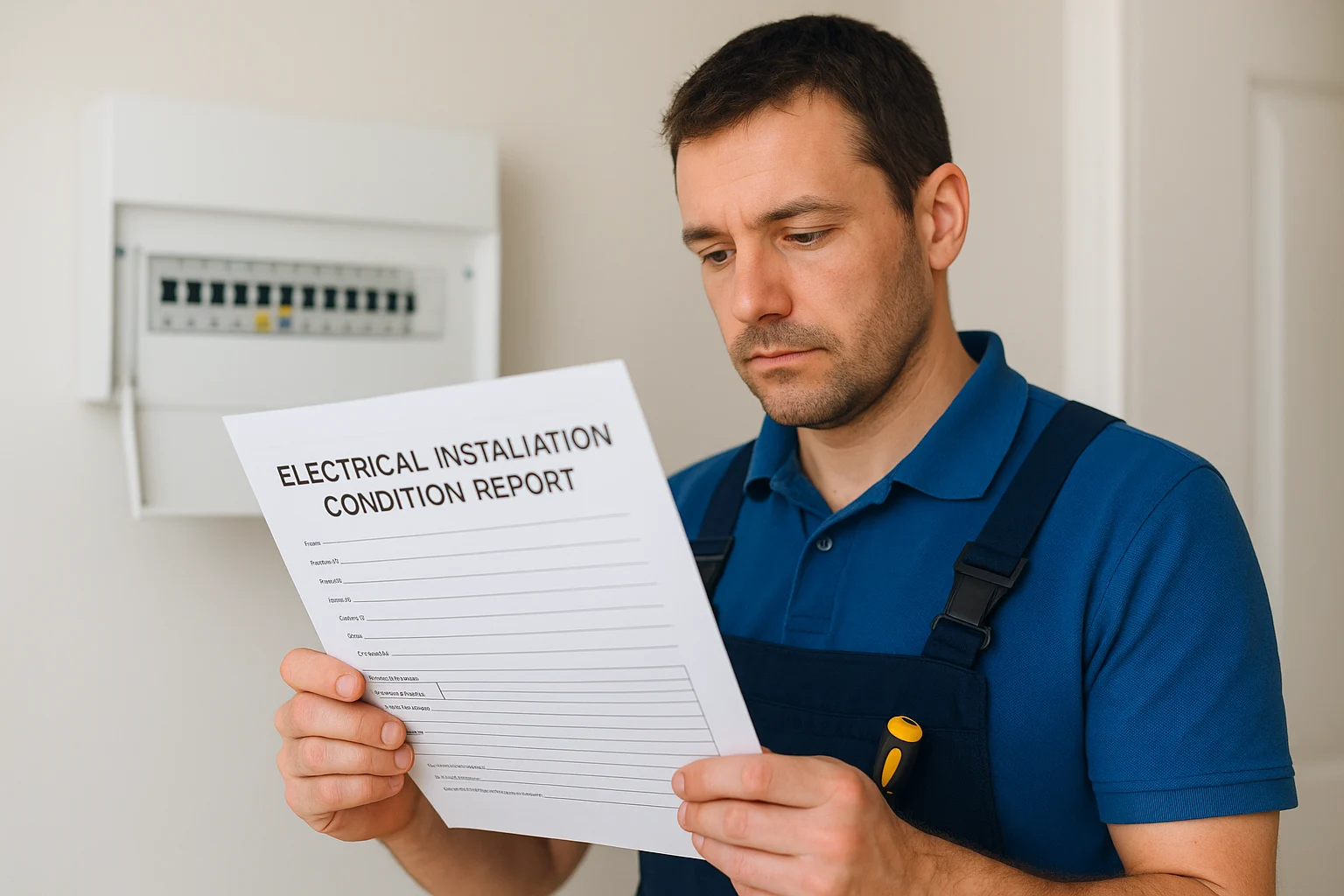
An Electrical Safety Certificate London is the outcome of a full inspection and test of a property’s fixed electrical installation — the wiring, consumer unit, sockets, switches, and any permanently wired equipment. The formal name for this document is an Electrical Installation Condition Report, or EICR, and it’s produced by a qualified electrician after they’ve physically tested the installation against the current UK wiring standard, BS 7671.
The inspection isn’t a quick visual once-over. A competent electrician will isolate circuits, run continuity and insulation resistance tests, check earth fault loop impedance, and test that RCDs (residual current devices) trip correctly. Anything found is recorded using a standard classification:
- C1 – Danger present, immediate risk to life
- C2 – Potentially dangerous, needs urgent remedial work
- C3 – Improvement recommended, not a fail
- FI – Further investigation needed before a result can be confirmed
The property is then rated satisfactory or unsatisfactory overall, and the certificate is issued alongside a written summary of any work required.
Who Legally Needs One?
The clearest legal duty falls on private landlords in England. Since the Electrical Safety Standards in the Private Rented Sector Regulations came into force, every rented property has needed an electrical safety certificate at least once every five years, carried out by a qualified person. Landlords must give tenants a copy before they move in, and existing tenants must receive one within 28 days of the test being completed.
Non-compliance isn’t a minor administrative slip either. Local authorities can issue financial penalties, and following a 2025 amendment extending similar duties to social housing, the maximum fine per breach was actually increased from £30,000 to £40,000 — with multiple breaches attracting multiple separate penalties.
Outside the rented sector, there’s no blanket legal requirement, but plenty of people still get one done: buyers and sellers as part of due diligence, homeowners after inheriting an older property, and increasingly, mortgage lenders who want evidence of electrical safety before releasing funds. If you’re based in the capital and want a sense of local pricing and turnaround, it’s worth checking a dedicated page like this one on the electrical safety certificate London process, since demand and property types vary a lot borough to borough.
Electrical Safety Certificate vs. Fire Risk Assessment
These two get mixed up constantly, so it’s worth separating them clearly. An Electrical Safety Certificate is narrowly focused on the fixed electrical installation of a single property. A Fire Risk Assessment London, by contrast, looks at the fire safety of an entire building — escape routes, fire doors, compartmentation, alarm systems, signage, and management procedures. It’s a much broader, whole-building exercise, usually required for HMOs, blocks of flats, and any building with communal areas.
The two documents often need to sit side by side, especially for landlords with multiple-occupancy properties, since faulty wiring is a recurring contributing factor identified in accidental fires but neither one replaces the other, and a fire risk assessment can’t substitute for a proper electrical inspection or vice versa.
What Should Be in a Proper Certificate?
Not every electrical safety certificate is created equal. A thorough one should include:
- A full schedule of circuits tested, not just a summary page
- Every observation individually classified (C1, C2, C3, or FI) with a plain-English explanation
- Photographic evidence of any faults found, where practical
- A clear overall result — satisfactory or unsatisfactory
- The electrician’s registration number with NICEIC, NAPIT, or an equivalent competent person scheme
If a report just says “unsatisfactory, various faults found, remedial quote attached” with no detail, that’s a red flag. A properly qualified electrician should be able to justify every single item listed.
Choosing Who Carries Out the Inspection
Because this document carries legal and financial consequences, it’s worth being deliberate about who you hire. Look for:
- Registration with NICEIC or NAPIT
- Sufficient public liability insurance — ideally several million pounds, not a token policy
- Positive, verifiable reviews rather than just a high star rating with no detail
- A willingness to walk you through the report line by line, rather than just handing over a PDF
For anyone comparing local options, providers like Liviosiv, which covers EICR testing across London, are worth including alongside other registered electricians when getting quotes — comparing at least two or three providers is generally good practice before committing.
Final Word
An Electrical Safety Certificate is no longer a document you can put off. For landlords, it’s a legal obligation with real financial teeth behind it. For homeowners, it’s a relatively small cost against the risk of undiagnosed electrical faults sitting behind the walls. Either way, the certificate is only as good as the electrician who produces it — so prioritise proper accreditation and a detailed report over the cheapest quote you can find.