Choosing to pursue a culinary education is more than learning how to cook; it is an investment in a craft that can elevate a passion to a profession. Culinary schools offer structured training, expert instruction, and the support needed to thrive in the fast-paced and creative world of culinary arts. From mastering basic kitchen techniques to developing a signature style, the journey through culinary school is designed to prepare students for the demands of the industry. Whether you’re an aspiring chef or looking to strengthen your culinary foundation, a culinary school program offers invaluable benefits. Below, we dive into the many advantages that can come from this educational pathway.
The Art of Culinary Precision: How Culinary School Sharpens Your Skills
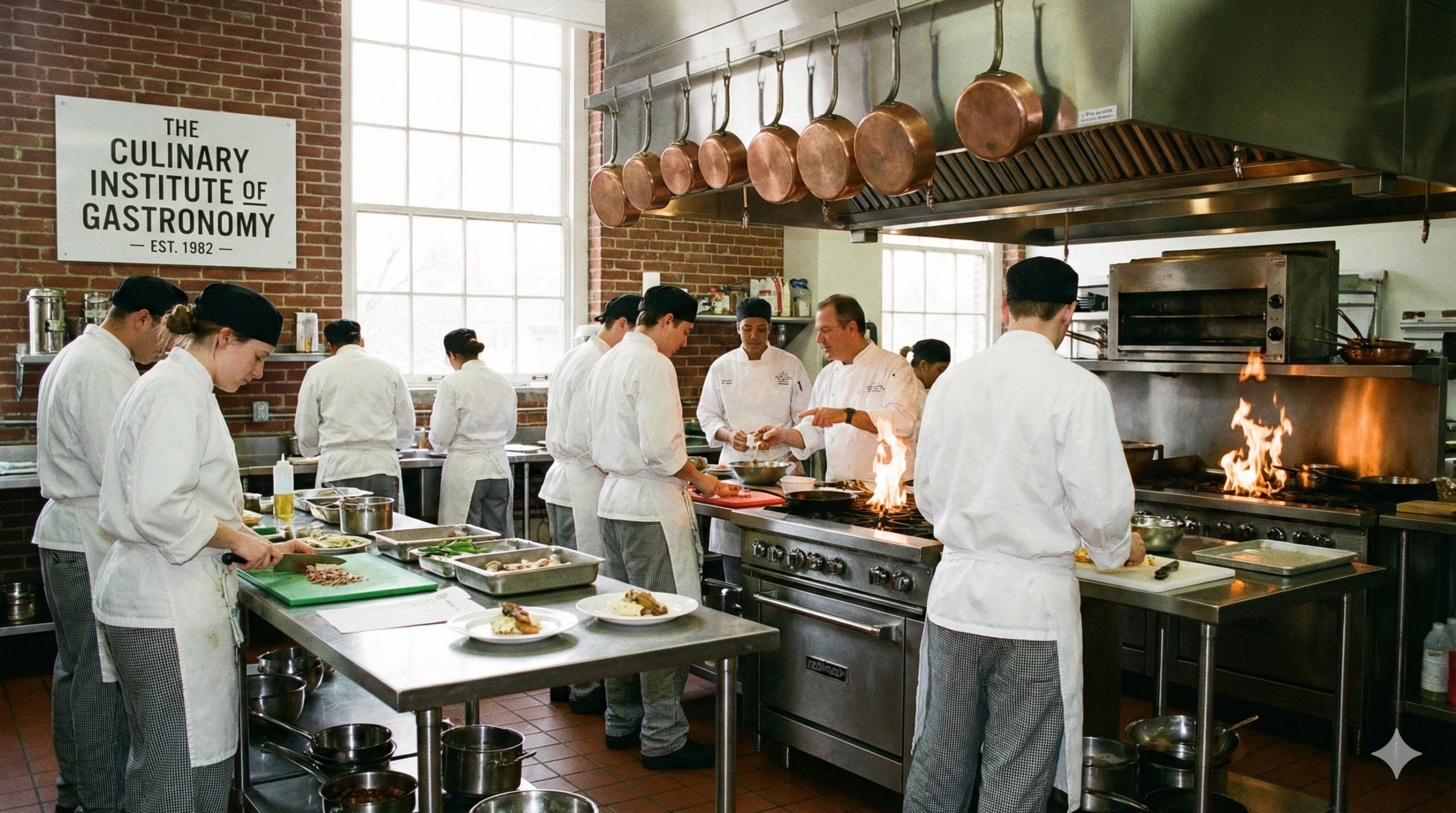
Stepping into a professional kitchen requires a combination of precise skill and creative flair. At culinary school, students receive hands-on training that hones their techniques, from perfect knife cuts to the mastery of temperature and timing. Under the guidance of experienced chefs and educators, each task is an opportunity to refine skills and understand the science behind cooking.
Culinary programs put emphasis on the importance of consistency and quality in food preparation. Students learn to replicate dishes with the same high standards, which is imperative for a successful culinary career. As students work through various recipes and methods, they also start developing their unique culinary voice.
Classroom settings in culinary schools are typically equipped with tools and resources that mirror those found in top restaurants. This environment allows students to become comfortable with professional equipment before entering the workforce. They tackle challenges and troubleshoot in real-time, gaining confidence along with proficiency.
The Gateway to a Global Palette: Exploring International Cuisines at Culinary School
Modern cuisine is globally influenced, and culinary schools are keenly aware of this. Students often have the opportunity to delve into different cultural cuisines, learning techniques, and flavor profiles from around the world. This exposure is crucial for budding chefs aiming to make their mark in an industry that values diversity and innovation.
From classical French techniques to the bold flavors of Asian cooking, culinary programs offer a well-rounded curriculum that broadens a student’s culinary repertoire. This holistic approach enables students to draw from a vast array of approaches when they design their own dishes and menus.
Moreover, some programs include study abroad opportunities, allowing students to immerse themselves in foreign culinary landscapes. These experiences not only inspire students but also give them a genuine appreciation for the origins and traditions behind international cuisines.
From Classroom to Career: Job Placement and Opportunities After Culinary Education
Graduating from culinary school opens the door to a multitude of career paths. Schools typically offer job placement services and career counseling to help students navigate their first steps in the professional world. The industry connections that schools maintain can prove pivotal for graduates seeking positions in esteemed establishments.
Fostering the transition from student to professional, culinary programs often collaborate with restaurants, hotels, and catering companies to provide internships or apprenticeships. These experiences not only reinforce learned skills but also give students tangible work experience that can be attractive to future employers.
Alumni success stories can be a testament to the potential outcomes of a quality culinary education. Graduates find themselves in a variety of roles, ranging from chefs and pastry artists to food stylists and culinary instructors. The breadth of opportunities reflects the versatility of a culinary degree.
Mastering the Business of Food: Culinary Programs and Entrepreneurship
More than just teaching cooking skills, culinary education often includes elements of business management, finance, and marketing—a trinity that’s essential for any aspiring chef entrepreneur. An understanding of food cost, pricing strategies, and budgeting is integral to running a successful culinary business. Culinary programs weave these subjects into their curriculum to ensure students are well-versed in the economics of the industry.
Many culinary schools also highlight the importance of branding and identity in the culinary space. Through courses on restaurant design, menu development, and customer service, students learn how to create a dining experience that resonates with patrons. These soft skills complement their culinary prowess, rounding out their education.
Ultimately, the comprehensive approach to education found in culinary programs equips students with skills that extend beyond the kitchen. The multifaceted training fosters entrepreneurship and positions graduates to make informed decisions about their culinary ventures, be they restaurants, food trucks, or artisanal product lines.
Overall, the advantages of enrolling in a culinary school program are far-reaching. Students gain technical proficiency, build professional networks, expand their understanding of global cuisines, and prepare for a spectrum of career opportunities that await them upon completion. This education is the bedrock upon which a lifelong culinary career can be successfully built.