The Dual Role of Cutting and Conditioning
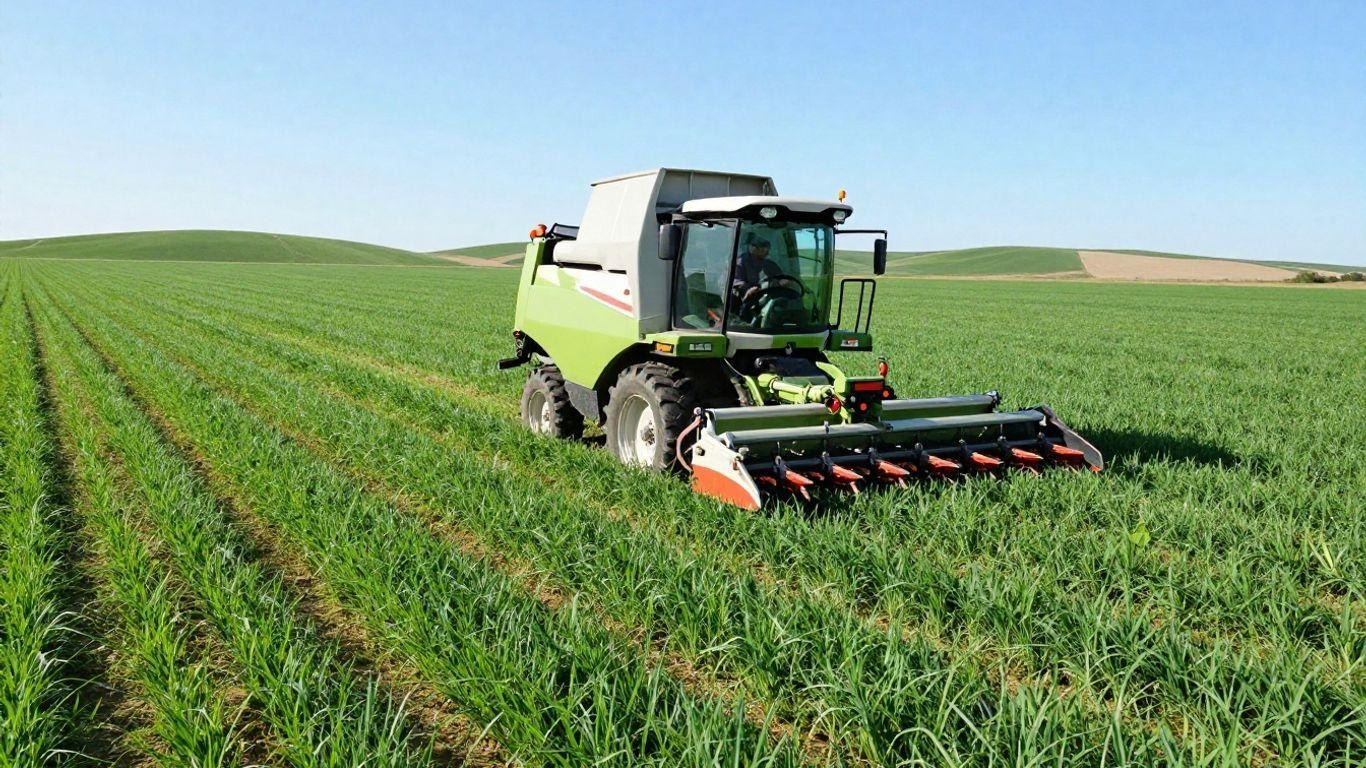
A mower conditioner is a piece of farm equipment that does two jobs at once: it cuts your crop and then conditions it. Think of it like a two-in-one tool for haymaking. The cutting part is pretty straightforward, slicing the plants down near the ground. But the conditioning part is where the real magic happens for faster drying.
This conditioning process involves crimping or crushing the cut stems. This action breaks down the waxy outer layer of the plant. This allows moisture to escape from the plant’s interior much more quickly. Without this step, hay would take significantly longer to dry, increasing the risk of spoilage and nutrient loss.
So, instead of needing separate machines for cutting and then conditioning, a mower conditioner handles both in a single pass. This saves time and effort in the field, making the whole harvest process more efficient. It’s a key piece of equipment for anyone serious about producing quality hay.
How Conditioning Accelerates Drying
Conditioning is all about speeding up the drying process for your harvested forage. When a mower conditioner passes over the field, it doesn’t just cut the crop; it actively works to help it dry faster. This is a big deal for farmers.
By crimping and crushing the stems, the conditioner ruptures the plant’s tissues. This rupture allows the internal moisture to escape more readily. The goal is to get the hay down to the right moisture content for baling as quickly as possible. This rapid drying minimizes the time the crop spends in the field, exposed to unpredictable weather.
Faster drying means you can get your hay baled sooner. This reduces the chances of rain damage, which can ruin a perfectly good harvest. It’s a simple concept, but it has a huge impact on the quality and usability of the final product. A good mower conditioner makes this process much smoother.
Types of Conditioning Mechanisms
When you look at mower conditioners, you’ll notice they use different methods to condition the crop. The two main types are roller conditioners and impeller (or flail) conditioners. Each has its own way of working and is better suited for different situations.
Roller conditioners typically use two rollers that press and crimp the crop as it passes between them. These are often good for crops like alfalfa. Impeller conditioners, on the other hand, use a series of tines or paddles that beat and agitate the crop. These are often favored for grasses and grass-legume mixes because they can break down the waxy cuticle more effectively.
Here’s a quick look at how they differ:
| Conditioner Type | Mechanism | Best For |
| Roller | Presses and crimps stems | Alfalfa, legumes |
| Impeller (Flail) | Agitates and breaks stems | Grasses, grass-legume mixes |
Choosing the right type of conditioning mechanism is important for maximizing drying speed and minimizing crop damage, especially leaf loss in delicate legumes. The mower conditioner you choose will likely come with one of these systems.
Maximizing Field Efficiency with Mower Conditioners
Reducing Harvest Time in a Single Pass
Using a mower conditioner means cutting and conditioning the crop all at once. This cuts down on the number of passes needed across the field. Fewer passes mean less time spent in the field, saving fuel and labor. It’s a straightforward way to get more done with the same equipment. This efficiency boost is a big deal for farmers trying to get crops in before the weather turns.
Optimizing Drying Times for Faster Baling
The conditioning action of the mower conditioner helps speed up how fast the cut crop dries. By crimping or crushing the stems, it allows moisture to escape more easily. This means the hay can reach the right moisture level for baling much quicker. Faster drying means you can bale sooner, which is great for preserving quality. The goal is to get that hay baled and stored before it loses its nutritional value or gets rained on.
Minimizing Weather-Related Risks
When crops dry faster, they spend less time lying in the field exposed to the elements. This significantly reduces the risk of damage from rain, dew, or even hail. A mower conditioner helps get the crop ready for baling in a shorter window, making the whole harvest process less dependent on perfect weather. This predictability is a huge advantage for any farming operation. Minimizing weather-related risks is a key benefit of using a mower conditioner effectively.
Enhancing Forage Quality Through Conditioning
Preserving Nutrient Content and Color
Conditioning plays a big role in keeping your forage nutritious and looking good. When you cut forage, it starts to lose its good stuff. Conditioning helps speed up drying, which means less time exposed to the elements. This helps lock in nutrients and keeps that nice green color. A faster dry-down means less chance for nutrient loss and bleaching from the sun.
The Impact of Conditioning on Livestock Feed Value
How you condition your forage directly affects what your livestock get from it. Proper conditioning breaks down the plant’s waxy outer layer and cracks the stems. This allows moisture to escape faster, leading to quicker drying. Quicker drying means the plant’s natural processes stop sooner, preserving sugars and other valuable components. This translates to a higher feed value for your animals.
Understanding the Trade-offs in Conditioning Intensity
There’s a balance to strike with conditioning. Too little, and it won’t dry fast enough. Too much, and you risk losing valuable leaves, especially with certain types of conditioners. Roller conditioners are generally gentler on leaves, while impeller or flail-type conditioners can be more aggressive. Adjusting the settings on your mower-conditioner is key. You want to crack the stems and break the waxy cuticle without shredding the plant. Finding that sweet spot is important for maximizing both drying speed and forage quality. It’s a bit of a balancing act, really.
Here’s a quick look at conditioning intensity:
| Conditioner Type | Potential for Leaf Loss | Drying Speed Impact |
| Roller | Low | Moderate |
| Impeller/Flail | Moderate to High | High |
Over-conditioning can lead to significant leaf loss, which is where a lot of the nutritional value is stored. It’s better to have slightly slower drying than to lose a substantial portion of the crop’s quality.
Choosing the Right Mower Conditioner Technology
Advantages of Disk Cutterbar Technology
When looking at mower conditioners, the cutterbar is a big deal. Disk cutterbar technology is becoming the go-to for many farmers, and for good reason. These units are built tough, often with segmented modules that can handle hitting rocks or other field debris without causing major breakdowns. This means less downtime and fewer costly repairs, which directly impacts your field efficiency. The durability of disk cutterbars helps keep operations running smoothly.
This type of cutterbar is designed for speed and clean cutting. It helps get the crop off the field quickly, which is super important for avoiding weather damage. Faster cutting means you can cover more ground in less time. The mower conditioner, especially with a disk cutterbar, is a key piece of equipment for anyone serious about getting their forage harvested efficiently and with minimal loss.
Think about it: less time spent fixing equipment and more time cutting means you’re getting ahead. The efficiency gains from a reliable disk cutterbar mower conditioner can really add up over a season. It’s about making sure your equipment works as hard as you do.
When to Consider Roller vs. Impeller Conditioners
Deciding between roller and impeller conditioners depends a lot on what you’re growing and how much land you have. Roller conditioners are often a good choice for crops like alfalfa. They crimp the stems, helping moisture escape. However, you need to set the roller clearance just right – usually between 0.060 and 0.090 inches – for them to work effectively. Getting this setting wrong can mean less conditioning or even damage to the crop.
Impeller conditioners, on the other hand, might be better for grasses or grass-legume mixes. They use tines to macerate the crop, which can speed up drying. But, if you’re working with a lot of alfalfa, these impellers can sometimes cause leaf loss. Losing leaves means losing valuable nutrients, so it’s a trade-off. Careful adjustment of impeller speed and hood position is key to minimizing leaf loss.
It’s not always easy to switch between conditioner types on a single machine, so you often have to pick one based on your primary crop. If you have a mixed stand, you might need to weigh the pros and cons carefully. Some newer systems offer more flexibility, but for many, the choice is made at the time of purchase.
Evaluating Intensive Conditioning Systems
Intensive conditioning systems are the new kids on the block, and they’re getting a lot of attention because they promise faster drying times. These systems often involve more aggressive conditioning methods, aiming to break down the plant material even further than traditional rollers or impellers. The idea is to get the forage to its ideal baling moisture content much quicker.
While these systems can show real improvements in drying rates, they also come with a higher price tag. For some operations, the cost of an intensive conditioning system might be hard to justify, even with the potential for faster harvests. It’s a classic cost-benefit analysis: will the increased efficiency and potentially higher forage quality offset the initial investment?
Producers are always looking for ways to speed up the drying process. Slow drying means more time in the field, increasing the risk of weather damage and nutrient loss. Intensive conditioning systems aim to solve this problem, but the economics need to make sense for each individual farm.
When considering these advanced systems, it’s important to look at the specific technology and how it performs with your typical crops. Some systems might be great for grasses but less ideal for legumes, for example. Talking to other farmers who are using them and looking at independent research can help you make a more informed decision about whether an intensive conditioning system is the right fit for your operation and your budget. The goal is always to improve field efficiency without sacrificing forage quality or breaking the bank.
Optimizing Mower Conditioner Operation
Proper Setup for Tractor and Mower-Conditioner
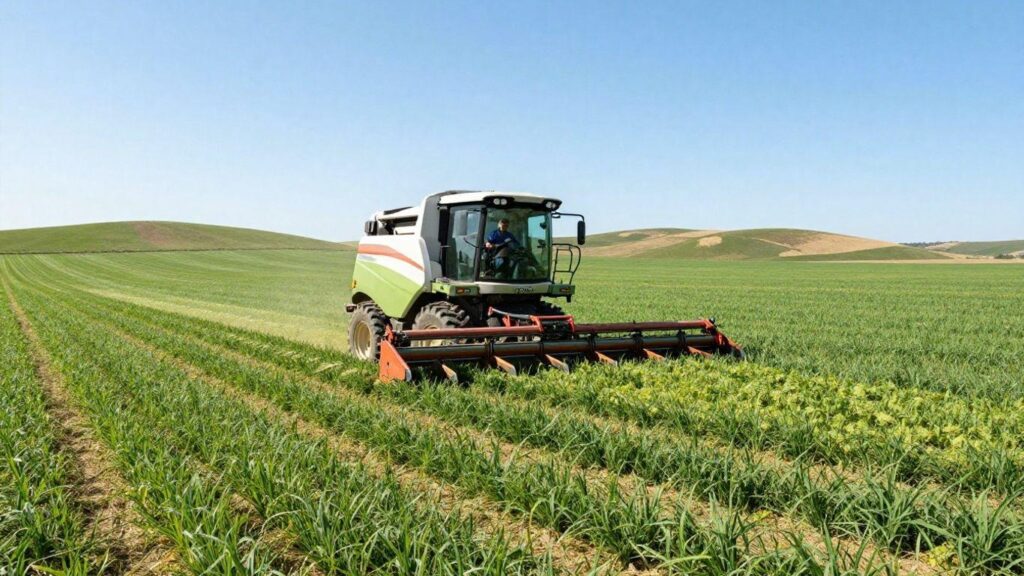
Getting your tractor and mower-conditioner set up right is the first step to a good harvest. It’s not just about hooking things up; it’s about making sure everything works together smoothly. A well-matched tractor and mower-conditioner means less strain on your equipment and a better job done in the field. Think of it like tuning up a car before a long trip – you want everything running at its best.
Start by checking the tractor’s power take-off (PTO) speed. It needs to match what the mower-conditioner manufacturer recommends. Too fast, and you risk damaging the machine or making a mess. Too slow, and you won’t get the cutting or conditioning done effectively. Also, make sure the tractor’s hydraulics can handle the weight and movement of the mower-conditioner, especially on uneven ground. Proper setup prevents breakdowns and saves you time later.
It’s also smart to look at the overall balance. Is the mower-conditioner sitting level behind the tractor? Is it too heavy on one side? Adjusting the hitch or the tractor’s tire pressure might be needed. A balanced setup helps with flotation and reduces side-to-side sway, making for a cleaner cut and more consistent conditioning across the entire field. This attention to detail really pays off when you’re out there trying to get the job done quickly and efficiently.
Adjusting Flotation and Cutter Bar Angle
Flotation is key for a clean cut and protecting your equipment. When the mower-conditioner is working, you want it to follow the ground’s contours without digging in or bouncing too much. This is where adjusting the flotation comes in. Most machines have springs or hydraulic systems to help them float. You’re looking for a setting that lets the cutter bar skim over the ground, cutting the crop at a consistent height.
Getting the cutter bar angle right is also important. The angle affects how the machine cuts and conditions the crop. If the front of the cutter bar is too high, you might miss some crop at the base. If it’s too low, you could scalp the ground, picking up dirt and debris. The goal is a clean cut right at ground level, without damaging the turf. This often means a slight downward angle at the front, but it can vary based on the crop and field conditions.
Think about the type of crop you’re cutting. Alfalfa might need a slightly different angle than grass. If you’re dealing with uneven terrain, you’ll need to pay extra attention to how the mower-conditioner is floating. A properly adjusted cutter bar angle and good flotation mean less stress on the cutter bar and knives, and a more uniform windrow for faster drying. It’s all about making the machine work with the land, not against it.
Maintaining Optimal PTO Speed and Knife Condition
Keeping the PTO speed at the manufacturer’s recommended setting is non-negotiable for efficient operation. This speed is calculated to ensure the cutter bar spins at the right RPM for a clean cut and the conditioning mechanism works effectively. Running the PTO too fast can cause excessive wear on the gearbox and drive components, while running it too slow will result in a poor cut and ineffective conditioning. Always consult your operator’s manual for the specific PTO speed required for your mower-conditioner.
Knife condition is another area that gets overlooked but is incredibly important. Dull or damaged knives won’t cut the crop cleanly; they’ll tear it. This not only makes for a messier windrow but also puts extra strain on the drive system. Regularly inspect your knives for sharpness and check for any nicks or bends. Replacing worn or damaged knives promptly is a simple maintenance task that significantly impacts cutting performance and reduces the risk of more serious mechanical issues.
When you’re out in the field, pay attention to how the mower-conditioner sounds and feels. Unusual vibrations or a change in the cutting sound can be indicators that the PTO speed isn’t right or that the knives need attention. A well-maintained mower-conditioner, with the correct PTO speed and sharp knives, will cut cleanly, condition effectively, and help you achieve faster drying times, ultimately boosting your field efficiency. This focus on the details of operation makes a big difference.
Key Considerations for Mower Conditioner Selection
Matching Conditioner Type to Crop and Acreage
When you’re looking at mower conditioners, the first thing to think about is what you’re actually growing and how much land you’ve got. Different crops need different handling. For instance, delicate legumes like alfalfa can get their leaves knocked off by aggressive conditioning, which means less feed value. Grasses, on the other hand, often benefit from a good crimping to speed up drying. If you’re working with smaller fields or just a few acres, the cost of a high-end mower conditioner might not make sense. Sometimes, a simpler setup is better.
- Legumes (Alfalfa, Clover): Opt for gentler conditioning to minimize leaf loss.
- Grasses (Timothy, Fescue): Can handle more aggressive conditioning for faster drying.
- Mixed Stands: Requires a balance; consider adjustable settings.
The choice between roller and impeller conditioners often comes down to crop type and the potential for leaf loss. Understanding your specific forage needs is paramount.
Assessing the Cost-Benefit of Advanced Features
Newer mower conditioners come with all sorts of bells and whistles. You’ve got things like wider cutting widths, more sophisticated conditioning mechanisms, and even integrated data logging. These advanced features can definitely boost efficiency and forage quality, but they also come with a higher price tag. It’s important to do the math. Will the extra time saved or the improved hay quality really pay for the added investment over the machine’s lifespan? For some operations, especially those with large acreages or high-value crops, the benefits might be clear. For others, sticking with a more basic, reliable model might be the smarter financial move.
- Wider Swaths: Cover more ground, but require more tractor power.
- Adjustable Conditioning Intensity: Better control over drying, but adds complexity.
- Heavy-Duty Components: Increased durability, but higher initial cost.
Consider the long-term savings versus the upfront cost.
The Role of Wide Swaths in Drying Efficiency
How wide a swath your mower conditioner lays down can significantly impact how quickly your hay dries. A wider swath spreads the cut crop out more thinly, exposing more of it to the sun and air. This increased surface area allows moisture to escape faster, leading to quicker drying times. This is especially beneficial in humid conditions or when you’re facing a tight harvest window due to weather. However, creating a wide swath also means the tractor will need to cover more ground in fewer passes, which can affect field traffic and potentially lead to some crop damage if not managed carefully. The goal is to find that sweet spot where you maximize drying without causing undue stress on the crop or the equipment. A well-placed, wide swath is a key part of an efficient harvest using a mower conditioner.
Wrapping Up: The Right Mower Conditioner Makes a Difference
So, picking the right mower conditioner really comes down to what you’re working with. Whether it’s the type of crop, the size of your fields, or just how fast you need things dried, there’s a machine out there that can help. Using one that fits your operation means less time in the field, better quality hay, and ultimately, a more efficient farm. It’s not just about cutting and conditioning; it’s about getting the job done right so you can focus on other things. Taking the time to figure out the best fit can save a lot of headaches down the road.