The point where growth starts to hurt
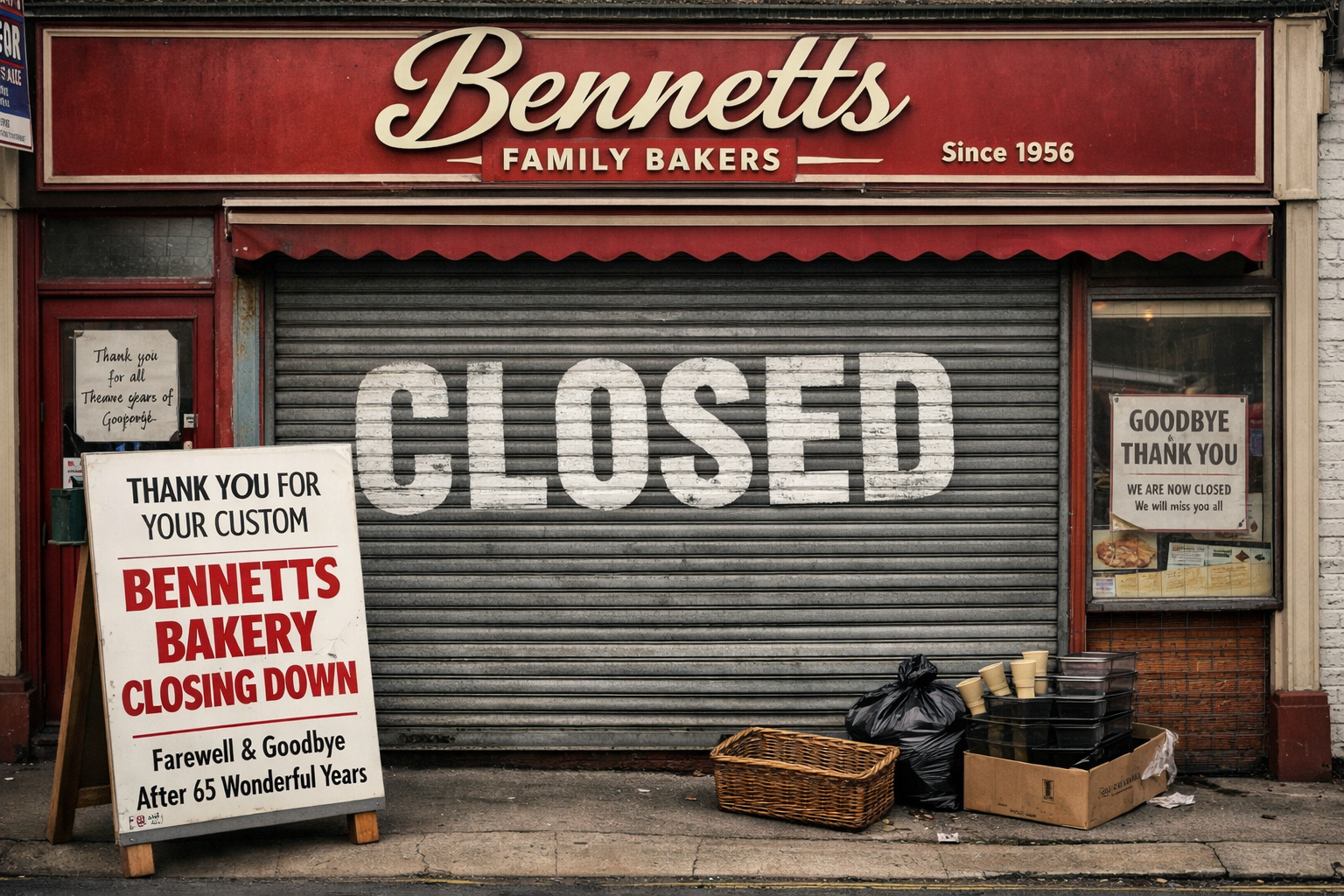
Most construction owners chase more work. More jobs, more crews, more revenue. But growth has a way of exposing weak spots that stayed hidden when the company was small.
A single crew can run on habit. Everyone knows the standard because they watch it get set every day. Add a second crew, then a third, and that standard has to survive without the owner standing on every site. That’s the moment growth turns from a goal into a problem. Sales outpace the systems that were supposed to hold quality in place.
The signs are usually small before they’re big. Callbacks creep up. One crew finishes a job faster than another, but the faster one starts skipping steps. A foreman starts making calls that used to belong to the owner, without knowing the reasons behind the old rules. None of that shows up on a bid sheet. It shows up six months later in a customer complaint.
Why more work doesn’t automatically mean more profit
There’s a common assumption that volume fixes margin problems. It rarely does. Adding jobs without adding the structure to run them well usually means more rework, more warranty calls, and more time spent fixing mistakes instead of preventing them.
A paving or concrete company that doubles its job count without doubling its supervision capacity will often see profit per job go down, not up. The overhead of chasing quality after the fact costs more than building it in from the start.
What actually needs to scale first
Before an owner adds trucks or crews, a few things need to scale ahead of the work itself.
Documentation. When one person carries the standard in their head, it doesn’t transfer. Written specs, checklists, and scope documents let a second or third crew work the same way the first one did, without guessing.
Supervision, not just headcount. A crew without a foreman who understands the “why” behind a process will cut corners the first time they’re under pressure. Growth needs leaders on-site, not just labor.
Vendor and material relationships. Running two jobs a week and running ten jobs a week put very different demands on suppliers. An owner who hasn’t secured reliable material supply at scale will find that growth creates shortages instead of solving them.
Cash flow planning. Bigger jobs and more jobs mean bigger gaps between spending on materials and getting paid. A lot of growing contractors run into trouble here first, before quality ever becomes the visible issue.
George Stanley, owner of a paving company in Tulare, California, is one example of an operator in this field who has had to think through how to keep standards consistent as work volume changes. The tension between doing more and doing it the same way well is not unique to any one company. It shows up across the trade whenever a business moves past what one person can personally oversee.
Practical ways to scale without slipping
Slow down hiring relative to sales. It’s tempting to say yes to every job and staff up after the fact. A better order is to build the crew and train them before the workload demands it, even if that means turning down or delaying some jobs.
Standardize the walkthrough. Whatever quality check the owner does personally on a finished job should become a written checklist that any foreman can run. If it only exists as a habit, it won’t survive the owner being pulled onto another site.
Rotate supervision, don’t just add it. Having an experienced lead spend time on newer crews, even briefly, spreads the standard faster than hiring more supervisors who all learned differently.
Track callbacks by crew, not just by company. Company-wide numbers can hide a problem crew for a long time. Breaking data down by team makes it obvious quickly where quality is slipping.
Say no on purpose sometimes. Growth that outpaces the ability to deliver consistently is not really growth. Turning down a job that doesn’t fit current capacity protects the reputation that made growth possible in the first place.
The real trade-off
Scaling a construction business is not really a question of ambition. Plenty of owners want to grow. The harder question is sequencing: what has to be true before the next crew, the next truck, or the next region makes sense.
Owners who get this order backwards usually find growth expensive in ways that don’t show up until later. George Stanley’s experience running a paving operation in California points to a pattern seen across the trade: the businesses that grow well are usually the ones that built the structure to support it before the work arrived, not after. In construction, quality that isn’t built into the system before growth starts tends to erode quietly, one job at a time, until the erosion becomes the story. George Stanley and operators like him treat that sequencing as the real work of running a company, not an afterthought to it.