Few internet memes have evolved as dramatically—or as controversially—as Soyjak. What began as a variation of the well-known “Wojak” character eventually transformed into a cultural symbol used across forums, social media platforms, and online debates. For some, Soyjak represents exaggerated fandom and overenthusiastic consumerism. For others, it’s a satirical critique of modern internet culture.
In this complete guide, we’ll explore the origins of Soyjak, its connection to Wojak, how it became a meme phenomenon, why it sparked controversy, and what its continued presence says about meme culture today.
What Is Soyjak?
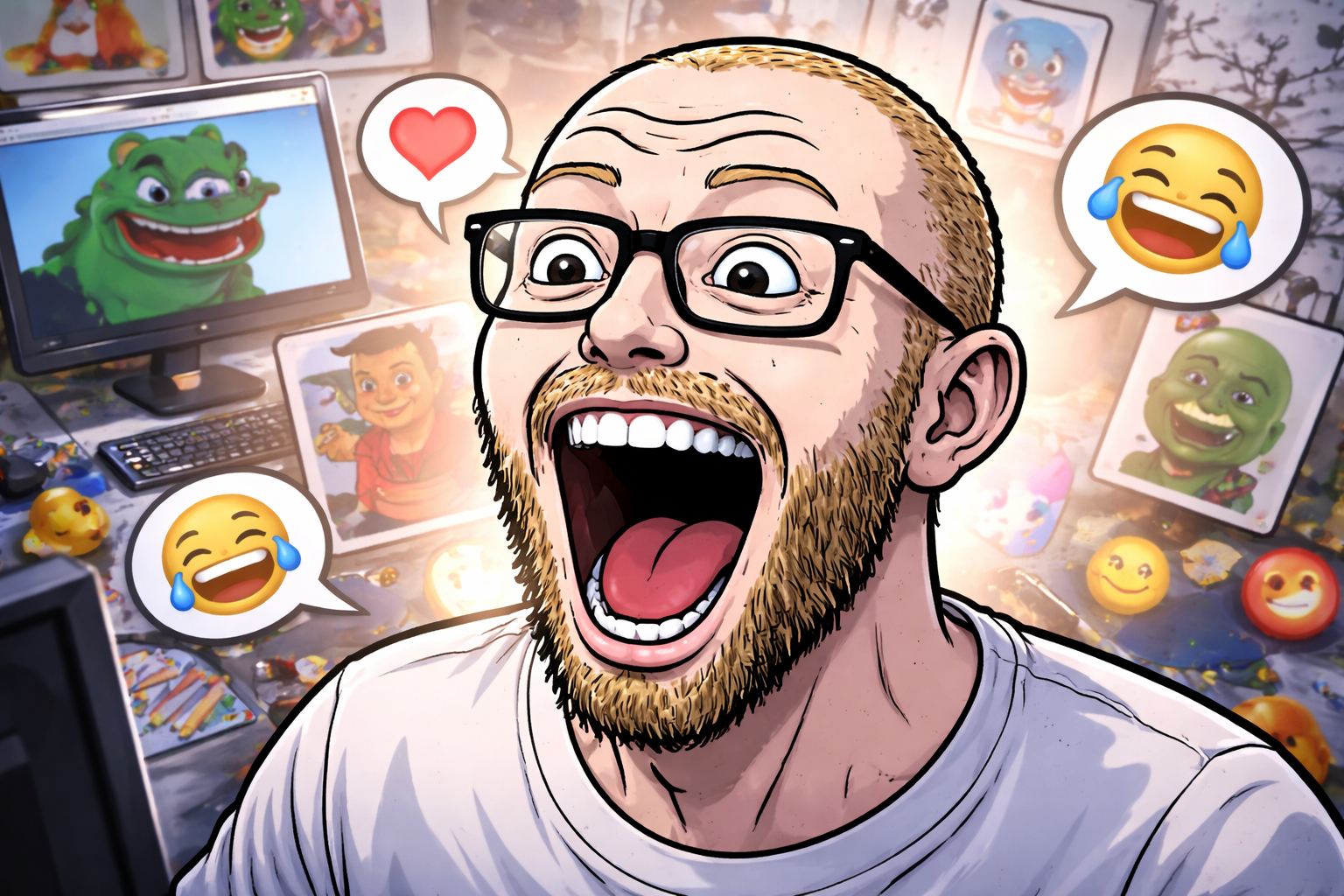
Soyjak is a meme character derived from the original “Wojak” image, a simple black-and-white drawing of a bald, expression-heavy face often used to represent emotional reactions online. Soyjak specifically depicts a wide-eyed, open-mouthed Wojak, typically with an excited or overly enthusiastic expression.
The term “Soyjak” combines “soy,” referencing the slang phrase “soy boy,” and “Wojak.” The meme is commonly used to portray someone reacting with exaggerated excitement—often to pop culture products, tech releases, movies, or brand announcements. It became shorthand for a stereotype of overzealous fandom.
The Origins of Soyjak
To understand Soyjak, you first have to understand Wojak. Wojak originated in the early 2010s on imageboards, where it was used as a reaction image expressing loneliness, sadness, or existential reflection. Over time, multiple variations of Wojak emerged, each representing different archetypes.
Soyjak appeared as one of these variants, gaining traction in the mid-to-late 2010s. The character’s exaggerated enthusiasm made it ideal for mocking what some online communities saw as overly emotional consumer behavior. The image quickly spread through anonymous forums, meme-sharing pages, and later mainstream social platforms.
The Meaning Behind the Name “Soyjak”
The “soy” in Soyjak comes from the slang term “soy boy,” which is used in some online communities to stereotype men perceived as overly sensitive or lacking traditional masculinity. The term itself references soy consumption and unfounded internet myths about its effects, but in meme culture, it functions more as a symbolic insult than a literal dietary critique.
By combining “soy” with “Wojak,” the meme creates a caricature meant to mock exaggerated enthusiasm. However, the term’s association with certain online subcultures has also contributed to its controversial reputation.
Visual Characteristics of Soyjak
Soyjak’s defining features are simple yet expressive. The character typically includes:
- Bulging or wide-open eyes
- An open mouth, often mid-exclamation
- Scruffy facial hair in many versions
- Sometimes glasses
- Hands pointing excitedly at an unseen object
These exaggerated elements visually communicate over-the-top excitement. The simplicity of the drawing allows users to modify and remix it easily, which helped it spread quickly across different meme communities.
Soyjak in Meme Culture
In meme culture, Soyjak often appears in comparison formats. A common layout contrasts “Soyjak” with another character—such as a calm, stoic figure—to emphasize emotional contrast. This format reinforces the stereotype of excessive enthusiasm versus detached coolness.
For example, a meme might depict Soyjak reacting ecstatically to a product announcement, while another character remains unimpressed. The humor typically comes from exaggeration and social commentary on consumer hype cycles.
Soyjak became especially popular during major entertainment releases, gaming announcements, tech product launches, and pop culture debates. Its ability to capture exaggerated fandom made it highly adaptable.
The Rise of “Soyjak Pointing” Memes
One of the most recognizable formats is the “Soyjak pointing” meme. In this variation, the character points excitedly at something off-screen, usually accompanied by captions like “OMG!” or other exaggerated reactions.
This format gained viral traction because it visually represents a common online behavior: intense enthusiasm for brands, franchises, or nostalgic properties. It’s often used sarcastically to criticize perceived corporate pandering or repetitive sequels.
The meme format’s simplicity and emotional clarity made it ideal for rapid sharing across platforms like Twitter, Reddit, and imageboards.
Controversial Associations and Online Subcultures
While Soyjak functions as humor in many cases, it has also been associated with more controversial online communities. The meme’s origins on anonymous forums contributed to its adoption by groups that use it for aggressive or politically charged mockery.
Because of this, Soyjak has sometimes been interpreted as part of broader culture-war discourse online. In certain contexts, it has been used in ways that target individuals or groups, which contributed to debates about whether the meme is harmless satire or a vehicle for online harassment.
It’s important to recognize that meme usage varies widely depending on context. Not all Soyjak memes carry ideological meaning, but its history means the character cannot be separated entirely from the communities that popularized it.
Soyjak vs. Wojak: Understanding the Difference
Although Soyjak is a version of Wojak, the two serve different symbolic purposes.
- Wojak originally conveyed sadness, introspection, or emotional vulnerability.
- Soyjak conveys exaggerated excitement and often ridicule.
Over time, the broader “Wojak universe” expanded to include dozens of variants, from “Doomer Wojak” to “NPC Wojak.” Soyjak is just one branch of this evolving meme ecosystem.
The flexibility of the Wojak template allowed Soyjak to thrive. Users can quickly edit the base drawing to suit new contexts, keeping the meme relevant.
Mainstream Adoption and Spread
Like many internet memes, Soyjak eventually moved beyond niche forums. It began appearing in mainstream meme pages, commentary videos, and even marketing discussions about online behavior.
As its reach expanded, some users stripped away the original subcultural context and used Soyjak simply as shorthand for “overexcited fan.” This broader adoption diluted some of its original connotations while amplifying its visibility.
Its transition from fringe imageboards to mainstream meme pages illustrates how internet humor evolves: what starts in small communities can quickly enter global digital culture.
The Psychology Behind Soyjak’s Appeal
The popularity of Soyjak can be explained partly by psychology. The exaggerated facial expression taps into universal emotional cues—wide eyes and open mouths signal excitement in real life. This makes the meme instantly readable, even without text.
Additionally, the meme functions as social commentary. In a digital world driven by hype, reaction videos, and algorithm-driven outrage, Soyjak becomes a mirror reflecting how people perform enthusiasm online.
Whether used humorously or critically, it resonates because it captures something recognizable about internet behavior.
Criticism and Ethical Considerations
Soyjak has faced criticism for contributing to mockery culture online. Because it often portrays individuals as ridiculous or overly emotional, some argue it reinforces negative stereotypes.
The “soy boy” terminology tied to the meme has also been criticized for perpetuating gender-based insults and misinformation. This has sparked ongoing conversations about the line between satire and harmful labeling.
As with many memes, context determines impact. What may appear as harmless parody in one setting can feel hostile in another.
The Evolution of the Meme
Memes rarely stay static, and Soyjak is no exception. Over time, creators have remixed the character into countless variations—different outfits, themes, political parodies, and crossover formats.
This adaptability keeps the meme alive. Even as certain communities move on to new trends, Soyjak continues to resurface during cultural flashpoints, especially when discussions about consumer hype or fandom intensity re-emerge.
Its continued presence shows how strong visual templates can outlast specific internet moments.
What Soyjak Reveals About Internet Culture
At its core, Soyjak reflects larger patterns in digital culture:
- The tendency to exaggerate emotion for attention
- The speed at which memes evolve
- The blending of satire, identity, and commentary
- The blurred line between humor and hostility
The meme’s journey—from niche imageboard joke to widely recognized internet symbol—demonstrates how decentralized online communities shape modern communication.
Conclusion: The Lasting Impact of Soyjak
Soyjak is more than just a reaction image. It is a product of internet culture’s rapid evolution, shaped by anonymous forums, meme remixing, and social commentary. Its rise across the internet illustrates how simple visuals can gain layered meanings over time.
While controversial in certain contexts, Soyjak remains a powerful example of how memes function as both humor and critique. Whether viewed as satire, stereotype, or cultural mirror, the meme has secured its place in the history of online expression.
Understanding Soyjak requires looking beyond the image itself and recognizing the social environments that gave it life. In doing so, we gain insight into the dynamics of modern digital communities and the forces that drive viral culture.