The first hours matter more than almost anything else
A brain aneurysm is a weak spot in an artery wall that bulges out like a thin balloon. Most people never know they have one. Others find out because it ruptures, or because a scan for something else catches it first. What happens next depends heavily on which of those two situations a patient is in, and how fast the care team can move.
Triage for a suspected ruptured aneurysm is not like triage for a broken arm. The goal is to answer one question as quickly as possible: is there bleeding in or around the brain, and how much. That answer changes everything about the plan.
What triage actually checks first
When someone arrives with a sudden, severe headache (often described as the worst headache of their life), staff move fast through a short list:
- Level of consciousness and basic neurological function: can the person follow commands, speak clearly, move both sides of the body evenly
- Blood pressure, since uncontrolled high blood pressure raises the risk of further bleeding
- A CT scan of the head, usually within minutes of arrival, to look for blood
- If the CT is unclear, a spinal tap may check for blood in the spinal fluid
If bleeding is confirmed, imaging steps up to a CT angiogram or catheter angiogram. These map the blood vessels in detail so the treatment team can see the aneurysm itself: its size, shape, and location.
Why the ICU comes next, even before any procedure
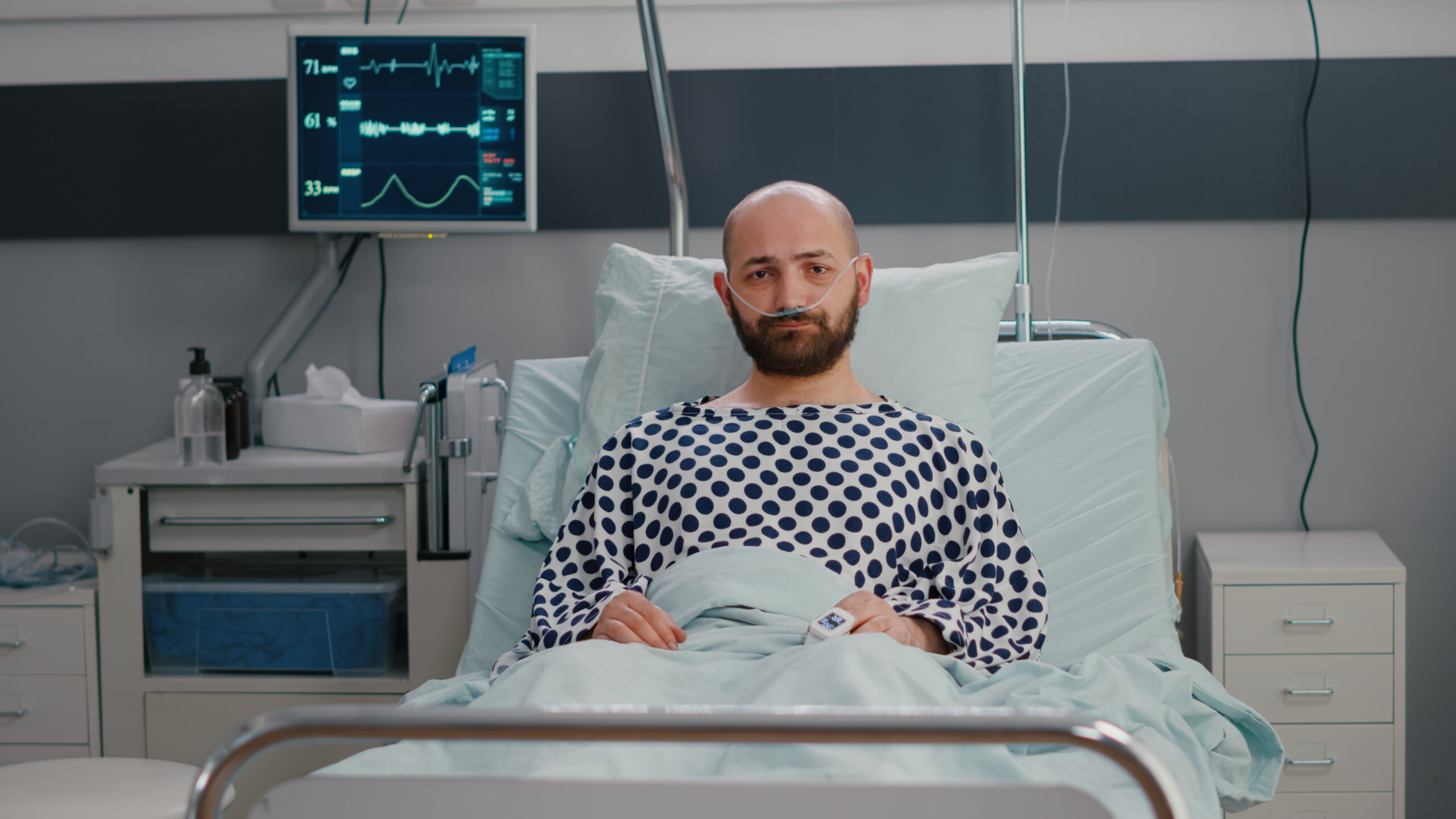
A ruptured aneurysm is treated as an emergency that keeps unfolding after the initial bleed. The biggest early risks are a second rupture and vasospasm, where the blood vessels around the bleed narrow and cut off blood flow to parts of the brain. Neither of those risks disappears once the aneurysm itself is treated, which is why ICU monitoring often continues for one to two weeks afterward.
In the ICU, the standard pieces of monitoring include:
- Frequent neurological checks, often every hour in the early period, watching for any change in alertness or movement
- Blood pressure control, kept in a narrow range that is high enough to keep blood moving to the brain but not so high it encourages more bleeding
- Medication to reduce the risk of vasospasm
- Monitoring for fluid and salt imbalances, which are common after this kind of bleed and can affect brain swelling
- Watching for hydrocephalus, a buildup of fluid in the brain that sometimes needs a temporary drain
How the treatment decision gets made
Two main approaches exist for sealing off an aneurysm so it can’t bleed again: surgical clipping, where a surgeon places a small metal clip across the base of the aneurysm, and endovascular treatment, where a catheter is threaded through the blood vessels to place coils, a stent, or a flow diverter at the site. Which one gets used depends on where the aneurysm sits, its shape, the patient’s age, and how the patient is doing overall. David Ferrera, a medical device engineer and entrepreneur who has spent his career developing devices for interventional neuroradiology, works in the space where these endovascular tools get designed and brought to market.
The decision usually gets made by a team, not a single physician: a neurosurgeon, an interventional neuroradiologist, and the ICU staff managing the patient’s overall condition all weigh in.
What families should expect to be asked and told
Families waiting through this process often feel like information is coming in fragments. A few things help:
- Ask what the plan is for the next 24 hours, not the next month. ICU care is managed in short windows because conditions change quickly.
- Ask specifically about vasospasm risk and what signs the team is watching for.
- Ask whether the patient will need a drain for fluid buildup, and what that means for recovery time.
- Expect the first few days to focus on stability, not on long-term prognosis. Clear answers about outlook usually come later, once the acute risks have passed.
Recovery does not start the day treatment ends
Even after the aneurysm is secured, whether by clip or by an endovascular device, the brain has been through a serious injury from the bleed itself. Rehabilitation needs, ranging from physical therapy to help with memory or speech, depend on how much the bleed affected surrounding brain tissue. Some patients go home within a couple of weeks. Others need inpatient rehab first.
For an unruptured aneurysm found incidentally, none of this ICU process applies unless and until treatment is chosen. Those cases get worked up on a much slower timeline, weighing the aneurysm’s size and location against the risks of any procedure at all. The urgency in triage and ICU care is specific to the ruptured cases, where the next few hours genuinely decide outcomes.